Guinea pig portrait
1344×768 · AVIF · CC BY 4.0
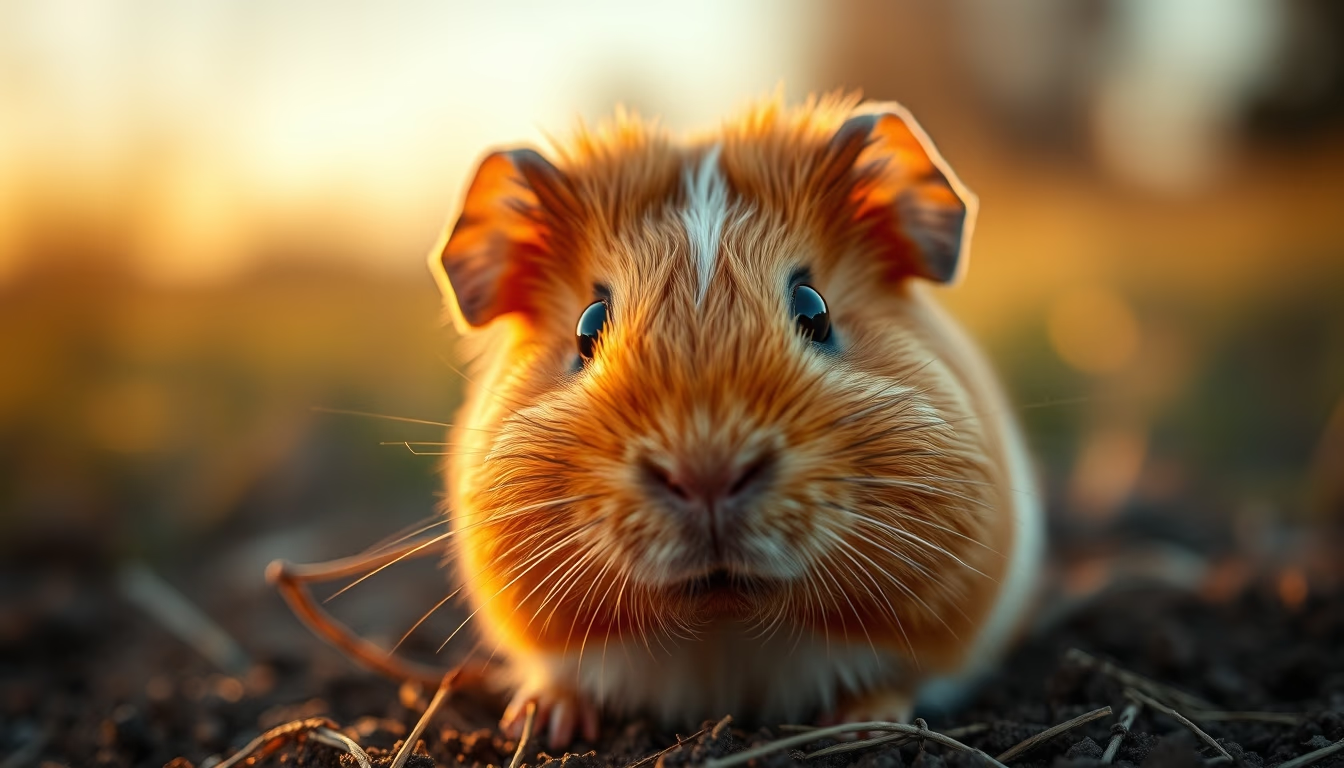
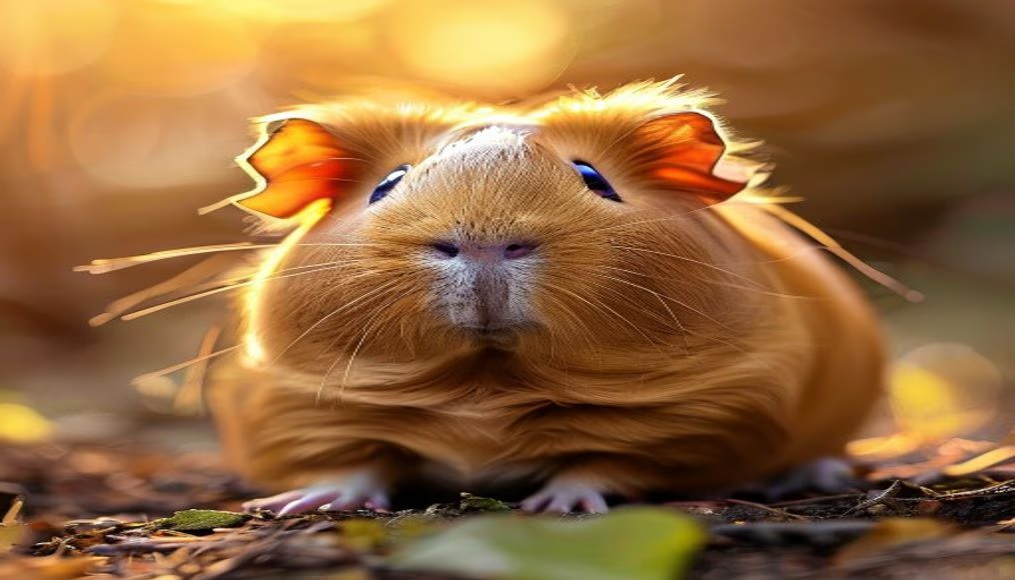
Detailed portrait of a guinea pig, a domesticated rodent native to the Andes, known for its docility and cultural significance.
About this subject
The guinea pig (Cavia porcellus) is a small rodent that no longer exists in the wild, the result of thousands of years of domestication from Andean wild species such as Cavia tschudii. Originating in the region now comprising Peru, Bolivia, and Ecuador, these animals were raised by pre-Columbian peoples not only for food but also in rituals and medicinal practices. To this day, in Andean communities, the cuy (local name) is an essential part of cuisine and traditional medicine, used in diagnosing illnesses through the observation of its entrails.
Outside South America, guinea pigs became popular as pets from the 16th century onward, when Spanish navigators brought them to Europe. Their docile nature, easy handling, and rapid reproduction made them ideal subjects for scientific research, giving rise to the term "guinea pig" as a synonym for experimental subject. In science, they contributed to discoveries about vitamin C, as, like humans, they cannot synthesize it, making it essential in their diet.
In the image, the animal displays typical domestic coat patterns, with patches and expressive eyes. Its curious posture reflects the social behavior of the species, which lives in hierarchical groups and communicates through a variety of sounds, from purrs to high-pitched whistles. The lifespan of a guinea pig in captivity ranges from 4 to 8 years, with care including grass hay, fresh vegetables, and vitamin C supplementation.
Culturally, the guinea pig also appears in popular expressions and art. In English, the phrase "guinea pig" is commonly used for someone or something undergoing a test. In countries like Peru, National Cuy Day is celebrated in October, highlighting its gastronomic and heritage significance. Despite their cute appearance, these rodents have incisors that grow continuously, requiring materials for wear, such as hay and wooden toys.
Frequently Asked Questions
Why are guinea pigs called 'guinea pigs'?
The name is thought to derive from the animals being brought to Europe via Guinea (West Africa) and their pig-like squeals. Despite the name, they are not pigs and are not from Guinea; they are rodents native to the Andes.
What do guinea pigs eat?
Their diet should consist mainly of grass hay (80%), supplemented with fresh vegetables rich in vitamin C (bell peppers, kale) and specific pellets. Unlike other rodents, they cannot synthesize vitamin C and require supplementation.
Why are guinea pigs important in Andean culture?
In the Andes, cuy has been raised for over 3,000 years as a protein source and in healing rituals. Traditional medicine practitioners sometimes use guinea pigs to diagnose illnesses by examining their entrails, a practice called cuy diagnosis.
Direct URL
https://pub-c7d6a6ea828543ac903a74a341ccb2e1.r2.dev/imagens/guinea-pig-portrait-cinematic-wide-shot-v2.avifHow to credit
Include a visible link back to UtilizAí. Copy one of the snippets below:
<a href="https://xn--utiliza-eza.com/en/midia/imagens/guinea-pig-portrait-cinematic-wide-shot-v2">Guinea pig portrait</a> by <a href="https://xn--utiliza-eza.com">UtilizAí</a>, licensed under <a href="https://creativecommons.org/licenses/by/4.0/">CC BY 4.0</a>.
[Guinea pig portrait](https://xn--utiliza-eza.com/en/midia/imagens/guinea-pig-portrait-cinematic-wide-shot-v2) by [UtilizAí](https://xn--utiliza-eza.com), CC BY 4.0
License: CC-BY-4.0