Grand canyon panoramic
1344×768 · AVIF · CC BY 4.0
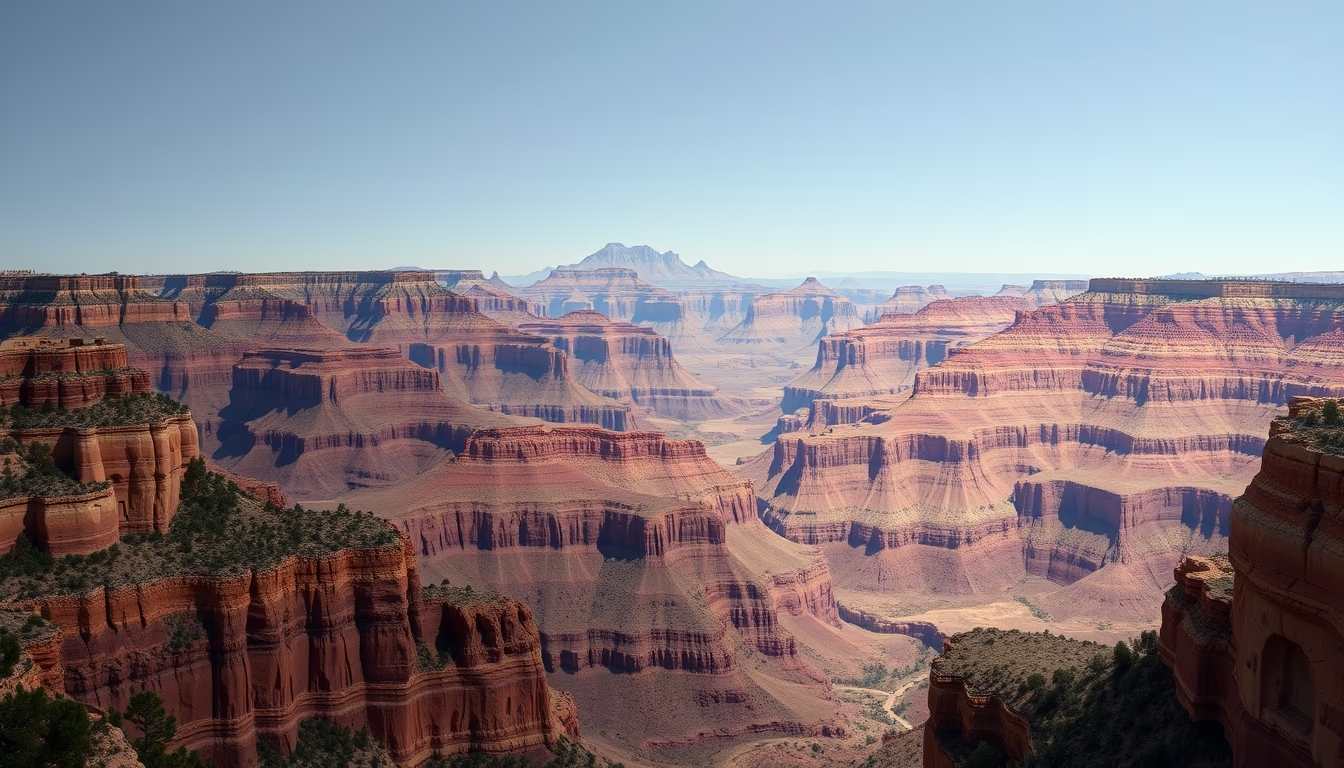
The Grand Canyon in Arizona is a colossal gorge carved by the Colorado River over millions of years, exposing geological layers that tell Earth's history.
About this subject
The Grand Canyon is one of the most iconic geological formations in the world, located in northern Arizona, United States. Stretching about 277 miles (446 km) long, up to 18 miles (29 km) wide, and over a mile deep (1,800 meters), the canyon was carved by the Colorado River over approximately 6 million years. The canyon walls expose nearly 2 billion years of Earth's geological history, including layers of sedimentary, metamorphic, and igneous rocks that reveal ancient environments such as shallow seas, deserts, and swamps.
The region has been a UNESCO World Heritage Site since 1979 and attracts over 6 million visitors annually. The Grand Canyon offers breathtaking panoramic views, especially at sunrise and sunset when the rock colors shift from deep reds to oranges and pinks. Famous rock formations include the Painted Desert and the Vishnu Basement Rocks at the canyon's bottom, dating back 1.84 billion years. The park also hosts rich biodiversity, including the California condor, reintroduced after near extinction.
The Grand Canyon is a popular destination for hiking, rafting on the Colorado River, and helicopter tours, providing different perspectives of its grandeur. The Rim-to-Rim Trail, crossing the canyon, challenges adventurers, while the West Rim's Skywalk glass bridge offers a unique view over the abyss. Native American culture is strong in the area, with tribes like the Havasupai living in Supai Village inside the canyon for centuries.
Interestingly, the Grand Canyon is not the world's largest canyon (that title belongs to the Yarlung Tsangpo Gorge in Tibet), but it is certainly one of the most spectacular due to its accessibility and geological variety. Ongoing erosion by the Colorado River still shapes the canyon, though construction of the Glen Canyon Dam upstream has reduced sediment flow, impacting new layer formation.
Frequently Asked Questions
What causes the vibrant colors of the rocks in the Grand Canyon?
The vibrant colors result from different minerals and iron oxides in the rock layers. For example, red comes from hematite, yellow from limonite, and white from limestone or chalk deposits.
Can you hike to the bottom of the Grand Canyon and back in one day?
Hiking down and up in one day is extremely strenuous and dangerous due to heat and distance. The most common Bright Angel Trail is 8 miles (12.8 km) one way. Camping or using mules is recommended.
What is the best time to visit the Grand Canyon?
Spring (March to May) and fall (September to November) offer mild temperatures and fewer crowds. Summer is hot (over 100°F/38°C at the bottom) and winter brings snow on the rims, but stunning views.
Direct URL
https://pub-c7d6a6ea828543ac903a74a341ccb2e1.r2.dev/imagens/grand-canyon-panoramic-studio-still-life-p10.avifHow to credit
Include a visible link back to UtilizAí. Copy one of the snippets below:
<a href="https://xn--utiliza-eza.com/en/midia/imagens/grand-canyon-panoramic-studio-still-life-p10">Grand canyon panoramic</a> by <a href="https://xn--utiliza-eza.com">UtilizAí</a>, licensed under <a href="https://creativecommons.org/licenses/by/4.0/">CC BY 4.0</a>.
[Grand canyon panoramic](https://xn--utiliza-eza.com/en/midia/imagens/grand-canyon-panoramic-studio-still-life-p10) by [UtilizAí](https://xn--utiliza-eza.com), CC BY 4.0
License: CC-BY-4.0