Grand canyon panoramic
1344×768 · AVIF · CC BY 4.0
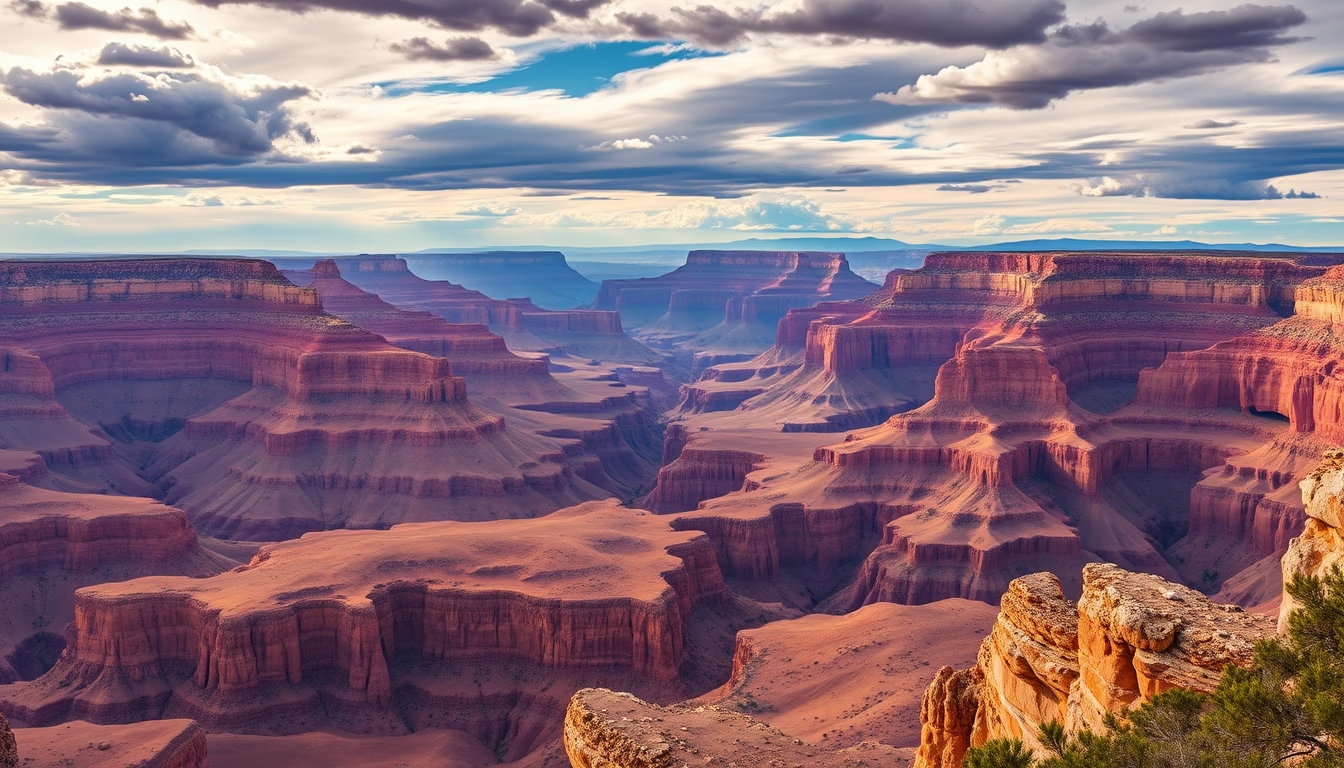
The Grand Canyon in Arizona, USA, is a gorge carved by the Colorado River over millions of years, exposing geological layers that tell Earth's history.
About this subject
The Grand Canyon is one of the most iconic natural formations in the world, located in Arizona, United States. Carved by the Colorado River over approximately 6 million years, the gorge stretches 277 miles (446 km) long, up to 18 miles (29 km) wide, and reaches depths exceeding 6,000 feet (1,800 meters). Its exposed rock layers reveal nearly 2 billion years of Earth's geological history, including fossils of marine organisms and sediments from ancient deserts. Recognized as a UNESCO World Heritage Site since 1979, the Grand Canyon attracts about 6 million visitors annually, who explore its trails, viewpoints, and the Colorado River, which continues to erode the canyon at a rate of about 0.3 meters every 1,000 years.
The formation of the Grand Canyon results from a combination of tectonic uplift of the Colorado Plateau and persistent erosion by the Colorado River and its tributaries. The oldest rocks, the Vishnu Basement Rocks, date to the Precambrian era, while upper layers like the Coconino Sandstone are from the Permian period. This geological diversity makes the canyon a natural laboratory for geologists and paleontologists. Additionally, the region hosts rich biodiversity, with over 1,700 plant species, 89 mammal species, and 250 bird species adapted to different microclimates of the North and South Rims, ranging from pine forests to desert.
Culturally, the Grand Canyon holds deep significance for Native American tribes such as the Havasupai, Navajo, Hopi, and Hualapai, who have inhabited the area for centuries. For these peoples, the canyon is a sacred site featured in myths and ceremonies. The national park also offers activities such as whitewater rafting on the Colorado River, helicopter tours, and mule rides. The canyon's lighting at sunrise and sunset creates a spectacular color display that varies by season, with spring and autumn being the most recommended times to visit due to mild temperatures and fewer crowds.
Frequently Asked Questions
How deep is the Grand Canyon?
The Grand Canyon reaches depths exceeding 6,000 feet (1,800 meters) from rim to river.
How long did it take for the Grand Canyon to form?
The Grand Canyon began forming approximately 6 million years ago, though the oldest exposed rocks are nearly 2 billion years old.
Which Native American tribes live in the Grand Canyon region?
The main tribes are Havasupai, Navajo, Hopi, and Hualapai. They consider the canyon a sacred site and maintain cultural ties to the area.
Direct URL
https://pub-c7d6a6ea828543ac903a74a341ccb2e1.r2.dev/imagens/grand-canyon-panoramic-fine-art-photography-p1.avifHow to credit
Include a visible link back to UtilizAí. Copy one of the snippets below:
<a href="https://xn--utiliza-eza.com/en/midia/imagens/grand-canyon-panoramic-fine-art-photography-p1">Grand canyon panoramic</a> by <a href="https://xn--utiliza-eza.com">UtilizAí</a>, licensed under <a href="https://creativecommons.org/licenses/by/4.0/">CC BY 4.0</a>.
[Grand canyon panoramic](https://xn--utiliza-eza.com/en/midia/imagens/grand-canyon-panoramic-fine-art-photography-p1) by [UtilizAí](https://xn--utiliza-eza.com), CC BY 4.0
License: CC-BY-4.0