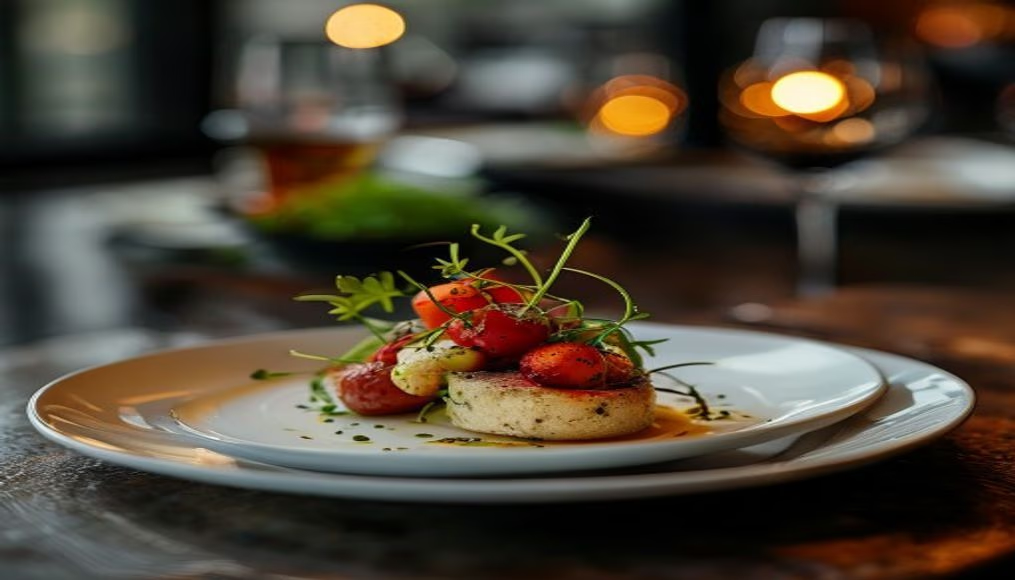
Gourmet plate fine dining minimalist
1344×768 · AVIF · CC BY 4.0
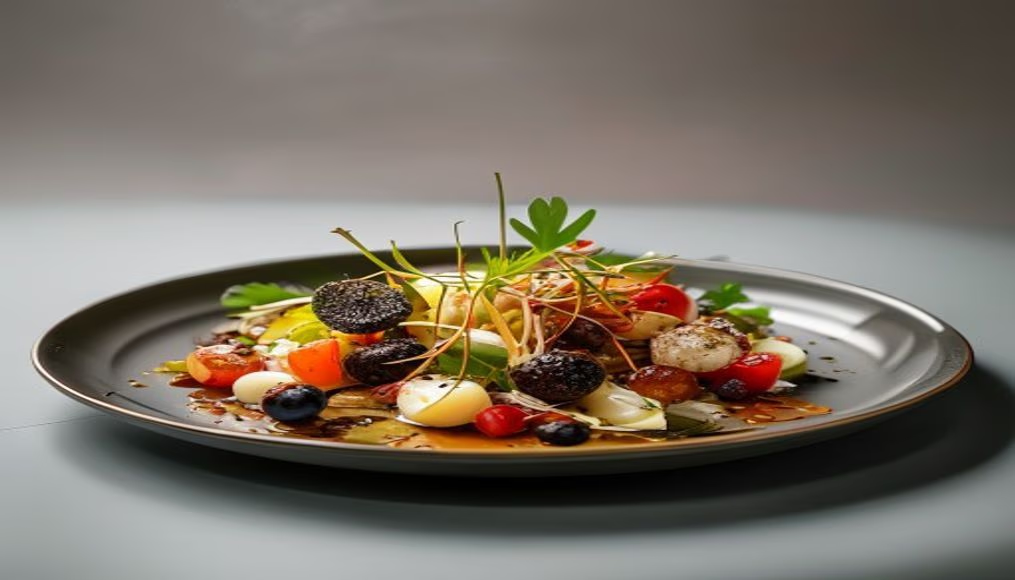
The minimalist gourmet plate is an expression of high-end gastronomy that values simplicity, technique, and visual harmony.
About this subject
Minimalist aesthetics in high-end gastronomy emerged as a reaction to the excessive complexity of nouvelle cuisine in the 1970s. Instead of multiple elements and decorative sauces, minimalism focuses on a few high-quality ingredients arranged with surgical precision. Negative space on the plate becomes part of the composition, and each component must justify its presence through flavor and texture. This approach gained momentum with chefs like Ferran Adrià and Heston Blumenthal, who explored the deconstruction of flavors in seemingly simple presentations.
In Brazil, restaurants such as D.O.M., by Alex Atala, and Maní, by Helena Rizzo, incorporate minimalist principles into their dishes, combining native ingredients with contemporary techniques. The use of fresh herbs, foams, and gels creates layers of flavor without visual overload. Tableware is also carefully selected: white or neutral-toned plates with thin edges to highlight the food. Ambient lighting, often directed, reinforces the drama of the presentation.
The popularity of social media platforms like Instagram has fueled this trend, as minimalist plates photograph well and generate engagement. However, the technique behind them is complex: each sauce dot and microgreen placement is calculated to balance colors, shapes, and flavors. Minimalism does not mean less work but more precision. Hence, it is common in high-end tasting menus, where the number of courses is reduced but each is a complete sensory experience.
Frequently Asked Questions
What defines a minimalist gourmet plate?
A minimalist gourmet plate is defined by the use of a few high-quality ingredients, precise arrangement, and ample negative space. Each element is placed intentionally to balance flavor, texture, and aesthetics.
What is the origin of minimalism in gastronomy?
Minimalism in gastronomy has roots in French nouvelle cuisine of the 1970s, but was refined by chefs like Ferran Adrià and Heston Blumenthal, who prioritized purity of flavors and visual simplicity.
Why is minimalism popular in fine dining?
Besides being photogenic for social media, minimalism demonstrates refined technique and confidence in ingredients. In tasting menus, minimalist dishes allow each flavor to be appreciated without distractions.
Direct URL
https://pub-c7d6a6ea828543ac903a74a341ccb2e1.r2.dev/imagens/gourmet-plate-fine-dining-minimalist-commercial-product-photography-v9.avifHow to credit
Include a visible link back to UtilizAí. Copy one of the snippets below:
<a href="https://xn--utiliza-eza.com/en/midia/imagens/gourmet-plate-fine-dining-minimalist-commercial-product-photography-v9">Gourmet plate fine dining minimalist</a> by <a href="https://xn--utiliza-eza.com">UtilizAí</a>, licensed under <a href="https://creativecommons.org/licenses/by/4.0/">CC BY 4.0</a>.
[Gourmet plate fine dining minimalist](https://xn--utiliza-eza.com/en/midia/imagens/gourmet-plate-fine-dining-minimalist-commercial-product-photography-v9) by [UtilizAí](https://xn--utiliza-eza.com), CC BY 4.0
License: CC-BY-4.0