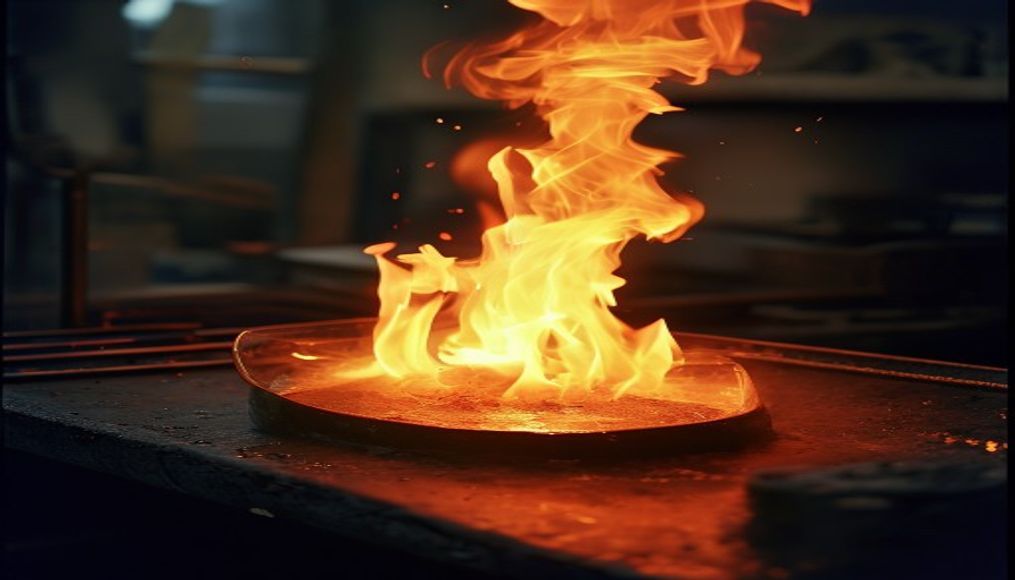
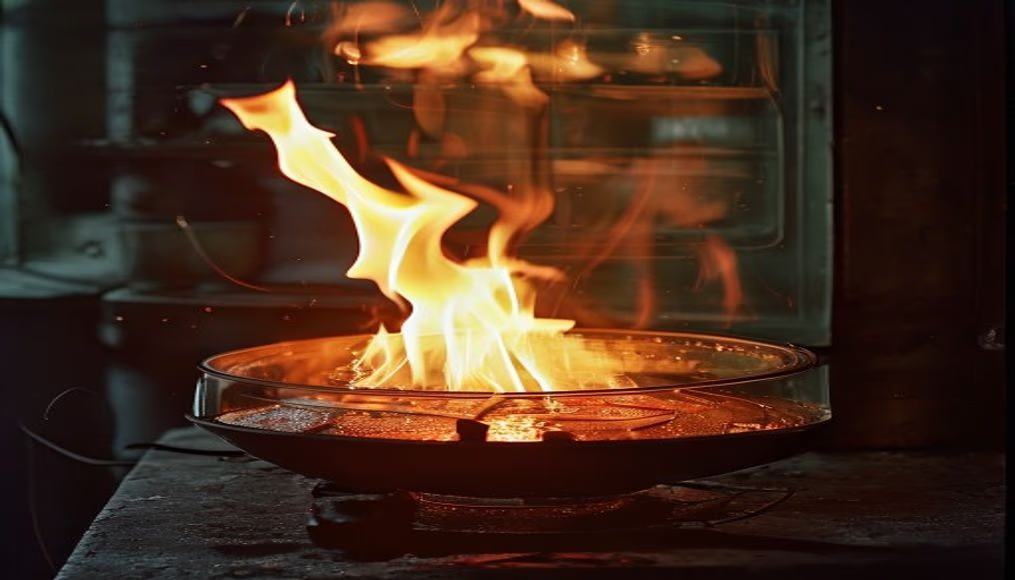
Glassblowing furnace flame
1344×768 · AVIF · CC BY 4.0
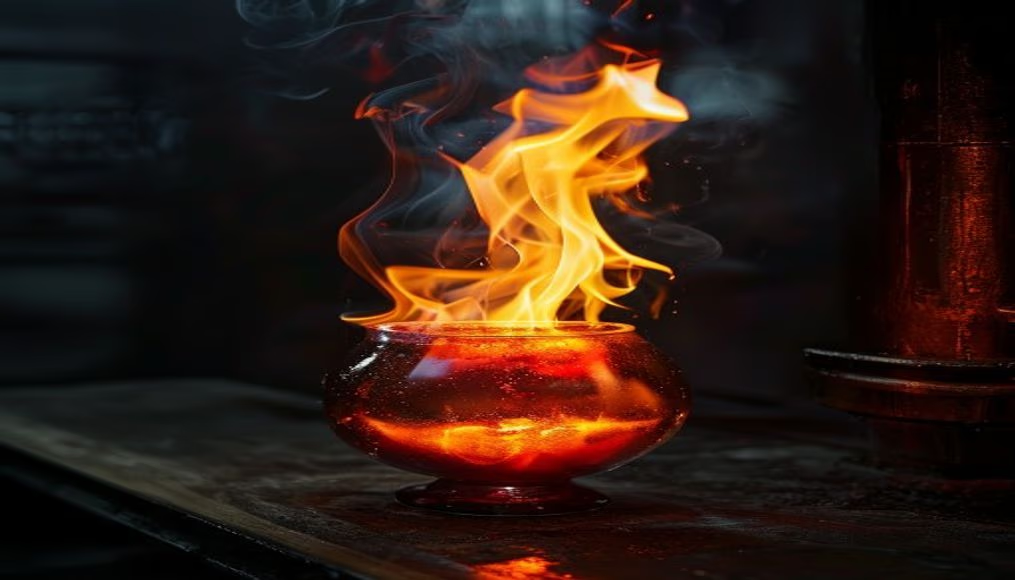
The glassblowing furnace flame is the heart of the glass art, reaching temperatures above 1000°C to shape molten glass.
About this subject
The glassblowing furnace, also known as the glory hole, is a cornerstone of the ancient craft of glassworking. Maintained at temperatures ranging from 1000°C to 1200°C, it heats glass into a malleable state, allowing artisans to shape it using blowpipes and hand tools. This intense flame, typically fueled by propane or oxygen, creates a controlled working environment where the color and flexibility of glass can be precisely manipulated.
The technique of glassblowing originated in Syria around the 1st century BC and revolutionized container production, which had previously been limited to molds. With the furnace, artisans could create thinner, more transparent, and varied objects. Today, the craft is practiced in studios worldwide, with notable centers such as Murano, Italy, and Brazil, where artisans blend tradition and innovation. The furnace flame is not just a heat source: it influences texture, luster, and the ability to incorporate bubbles or decorative effects into the glass.
Beyond its technical role, the furnace flame carries symbolic weight. For many artists, fire represents transformation and renewal, themes echoed in contemporary works exploring glass fragility and strength. Furnace temperature is controlled via thermocouples and valves, requiring deep knowledge of material physics and chemistry. A deviation of just a few degrees can ruin hours of work, making flame management one of the most prized skills in a glassblower's repertoire.
In high-fashion editorial contexts, the glassblowing furnace and its flame have been used as backdrops or conceptual motifs, symbolizing the meeting of raw craftsmanship and glamorous fashion. This union reinforces the idea that glass, like fashion, can be shaped by human creativity. Thus, the furnace flame is more than a tool: it is an icon of the ability to transform natural elements into art.
Frequently Asked Questions
What is the ideal temperature for a glassblowing furnace?
The ideal temperature ranges from 1000°C to 1200°C, depending on the glass type and technique. Lead glass melts at lower temperatures, while borosilicate glass requires higher heat.
What is the difference between a glassblowing furnace and an annealing kiln?
A glassblowing furnace (glory hole) keeps glass malleable for shaping with an open flame. An annealing kiln slowly cools finished glass to relieve internal stresses, operating at 400°C to 500°C.
What does 'glory hole' mean in glassblowing?
Glory hole is the English term for the reheating furnace used in glassblowing. It allows the artisan to reheat the piece during shaping to keep it malleable, preventing the glass from hardening prematurely.
Direct URL
https://pub-c7d6a6ea828543ac903a74a341ccb2e1.r2.dev/imagens/glassblowing-furnace-flame-high-fashion-editorial-p1.avifHow to credit
Include a visible link back to UtilizAí. Copy one of the snippets below:
<a href="https://xn--utiliza-eza.com/en/midia/imagens/glassblowing-furnace-flame-high-fashion-editorial-p1">Glassblowing furnace flame</a> by <a href="https://xn--utiliza-eza.com">UtilizAí</a>, licensed under <a href="https://creativecommons.org/licenses/by/4.0/">CC BY 4.0</a>.
[Glassblowing furnace flame](https://xn--utiliza-eza.com/en/midia/imagens/glassblowing-furnace-flame-high-fashion-editorial-p1) by [UtilizAí](https://xn--utiliza-eza.com), CC BY 4.0
License: CC-BY-4.0