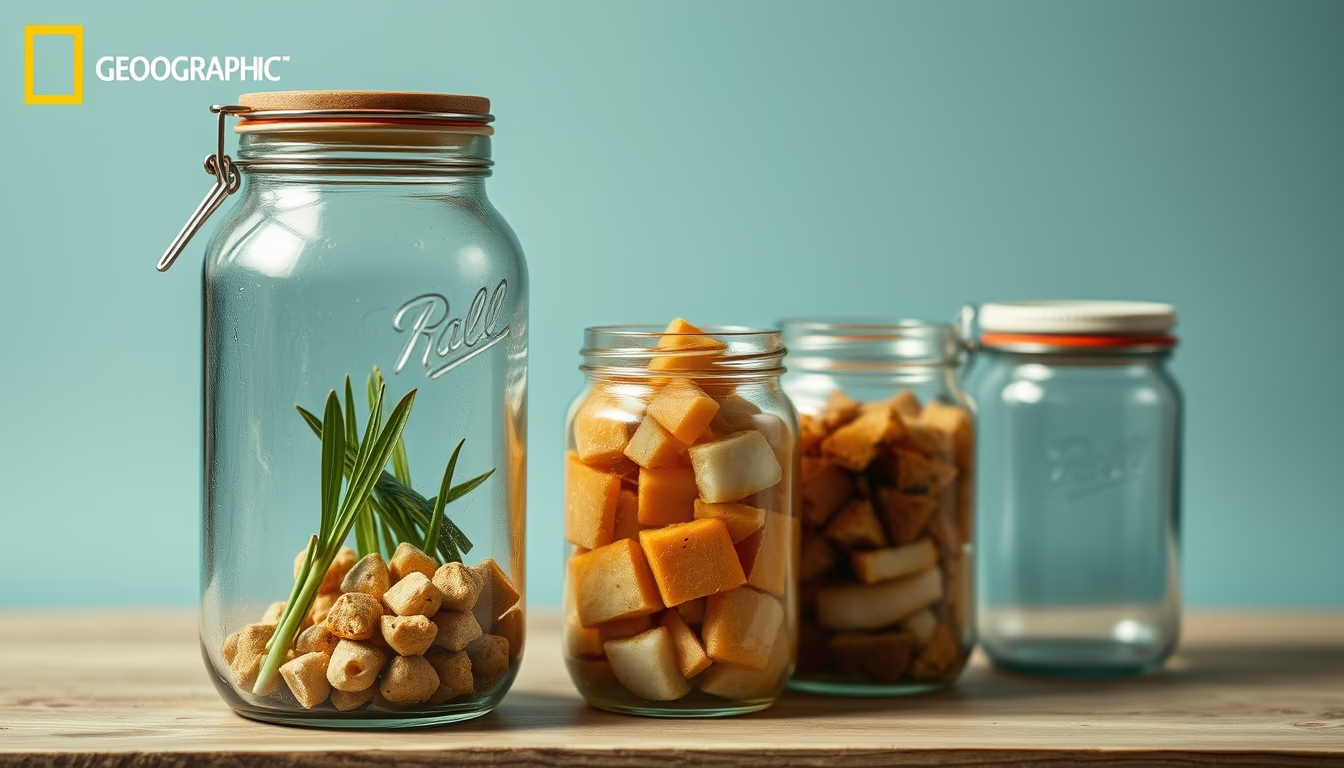
Glass jars zero waste
1344×768 · AVIF · CC BY 4.0
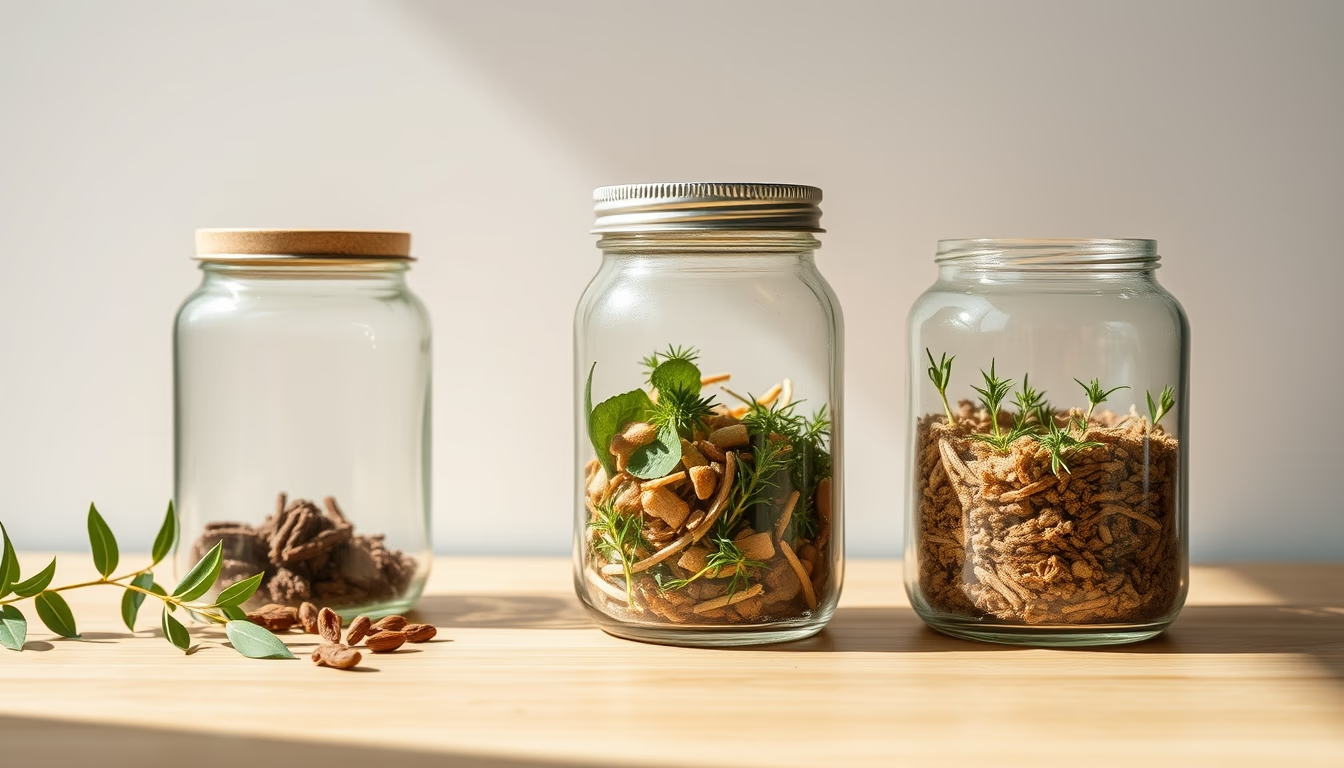
Reusable glass jars are pillars of the zero waste lifestyle, replacing disposable plastics and keeping food fresh longer.
About this subject
Glass jars have become a symbol of the zero waste movement, which aims to reduce waste generation. Unlike plastic, glass is 100% recyclable and does not leach chemicals like bisphenol A into food. Moreover, glass jars can be reused almost indefinitely: a single jar can last for decades without loss of quality, whether for storing grains, preserves, or homemade cleaning products.
Historically, glass jars emerged in the 19th century with Nicolas Appert's invention of canning. Since then, models like the Mason jar (patented in 1858 in the USA) have become popular worldwide. In Brazil, using glass jars for coffee, sugar, and spices is a cultural practice in many kitchens, but the zero waste movement revived this habit as an alternative to single-use plastic. According to ABIVIDRO, Brazil's glass recycling rate is around 47%, still below the European average of 73%.
Adopting glass jars daily significantly reduces plastic consumption. A family replacing plastic bags and disposable containers with glass can avoid up to 25 kg of plastic waste per year. Additionally, glass keeps food fresher by blocking oxygen and moisture, making it ideal for flour, cereal, and cookies. Its transparency allows easy content viewing, helping to prevent food waste.
In practice, zero waste enthusiasts often buy glass jars from thrift stores, fairs, or repurpose food packaging like sauce jars. With removable labels or reusable stickers, it is easy to organize a pantry aesthetically and functionally. Brands like Weck and Kilner are references, but any glass jar with an airtight lid works perfectly. The key is to choose wide-mouth models, which facilitate cleaning and access to contents.
Frequently Asked Questions
Why use glass jars instead of plastic for food storage?
Glass is inert, does not leach chemicals like bisphenol A, and is 100% recyclable. It also keeps food fresher longer and can be reused indefinitely without quality loss.
Where can I buy glass jars to start a zero waste lifestyle?
You can find glass jars at thrift stores, flea markets, or repurpose food packaging such as tomato sauce, palm hearts, or preserves jars. Home goods stores and e-commerce sites also sell new models from brands like Weck and Kilner.
How do I clean glass jars for reuse?
Wash with hot water and mild dish soap, using a bottle brush to reach the bottom. To remove odors, soak with baking soda and water. Dry completely before storing.
Direct URL
https://pub-c7d6a6ea828543ac903a74a341ccb2e1.r2.dev/imagens/glass-jars-zero-waste-minimalist-composition-p0.avifHow to credit
Include a visible link back to UtilizAí. Copy one of the snippets below:
<a href="https://xn--utiliza-eza.com/en/midia/imagens/glass-jars-zero-waste-minimalist-composition-p0">Glass jars zero waste</a> by <a href="https://xn--utiliza-eza.com">UtilizAí</a>, licensed under <a href="https://creativecommons.org/licenses/by/4.0/">CC BY 4.0</a>.
[Glass jars zero waste](https://xn--utiliza-eza.com/en/midia/imagens/glass-jars-zero-waste-minimalist-composition-p0) by [UtilizAí](https://xn--utiliza-eza.com), CC BY 4.0
License: CC-BY-4.0