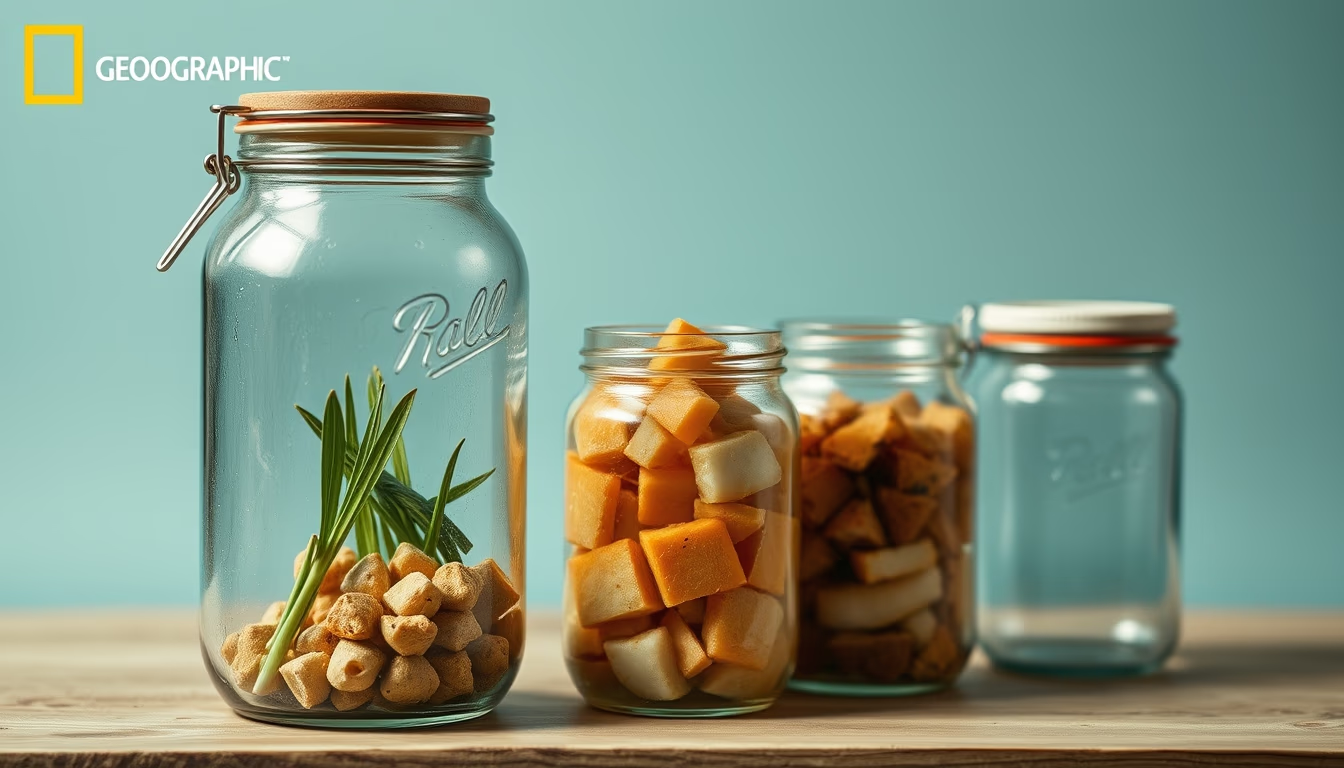
Glass jars zero waste
1344×768 · AVIF · CC BY 4.0
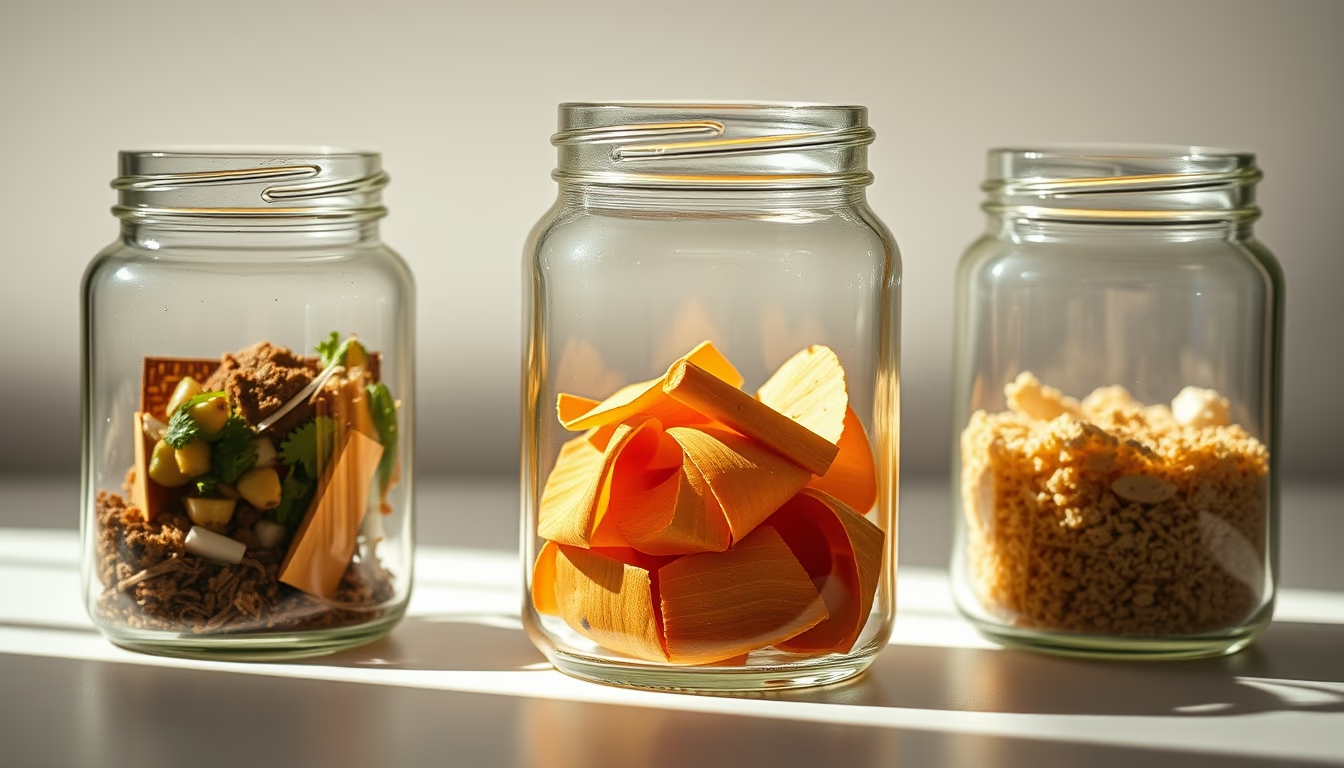
Glass jars are essential allies in the zero waste lifestyle, replacing disposable packaging and reducing household waste.
About this subject
Glass jars play a central role in the zero waste movement due to their infinite reusability and full recyclability. Unlike plastic, glass does not leach harmful chemicals into food or the environment, making it inert and safe for long-term storage. Its production uses abundant raw materials such as sand, soda ash, and limestone, and the recycling process saves up to 30% energy compared to making new glass.
Historically, glass jars and bottles have been used for centuries to preserve food, beverages, and medicines. With the rise of zero waste, these containers have gained new life: consumers bring them to bulk stores to purchase grains, cereals, spices, and liquids, eliminating disposable packaging. A single glass bottle can be reused dozens of times before being recycled, whereas common plastic lasts only a few uses.
In practice, glass jars serve to store leftovers, make homemade preserves, organize pantry items, and even create terrariums or handmade candles. Many natural cleaning recipes call for glass jars to mix ingredients like vinegar and baking soda. Moreover, glass does not absorb odors or stains, making it easy to sanitize between uses.
From an environmental standpoint, glass recycling reduces raw material extraction and CO2 emissions. Although heavier to transport than plastic, its extended lifecycle offsets the initial impact. Adopting glass jars in daily life is one of the most effective actions to lower a household's ecological footprint, perfectly aligned with zero waste principles.
Frequently Asked Questions
Why use glass jars in zero waste?
Glass jars are durable, reusable, and 100% recyclable, eliminating the need for single-use plastic packaging. They do not leach toxins into food and can be used for years before being recycled.
Is glass better than plastic for the environment?
Yes, because it does not release chemicals, can be recycled infinitely without quality loss, and its production has a lower climate impact compared to virgin plastic. Glass recycling saves energy and resources.
How to clean glass jars for reuse?
Wash with hot water and mild detergent. To sterilize, boil jars in water for 10 minutes. To remove labels, use vegetable oil or isopropyl alcohol, letting it sit for a few minutes before scrubbing.
Direct URL
https://pub-c7d6a6ea828543ac903a74a341ccb2e1.r2.dev/imagens/glass-jars-zero-waste-magazine-editorial-p2.avifHow to credit
Include a visible link back to UtilizAí. Copy one of the snippets below:
<a href="https://xn--utiliza-eza.com/en/midia/imagens/glass-jars-zero-waste-magazine-editorial-p2">Glass jars zero waste</a> by <a href="https://xn--utiliza-eza.com">UtilizAí</a>, licensed under <a href="https://creativecommons.org/licenses/by/4.0/">CC BY 4.0</a>.
[Glass jars zero waste](https://xn--utiliza-eza.com/en/midia/imagens/glass-jars-zero-waste-magazine-editorial-p2) by [UtilizAí](https://xn--utiliza-eza.com), CC BY 4.0
License: CC-BY-4.0