Gin botanicals display
1344×768 · AVIF · CC BY 4.0
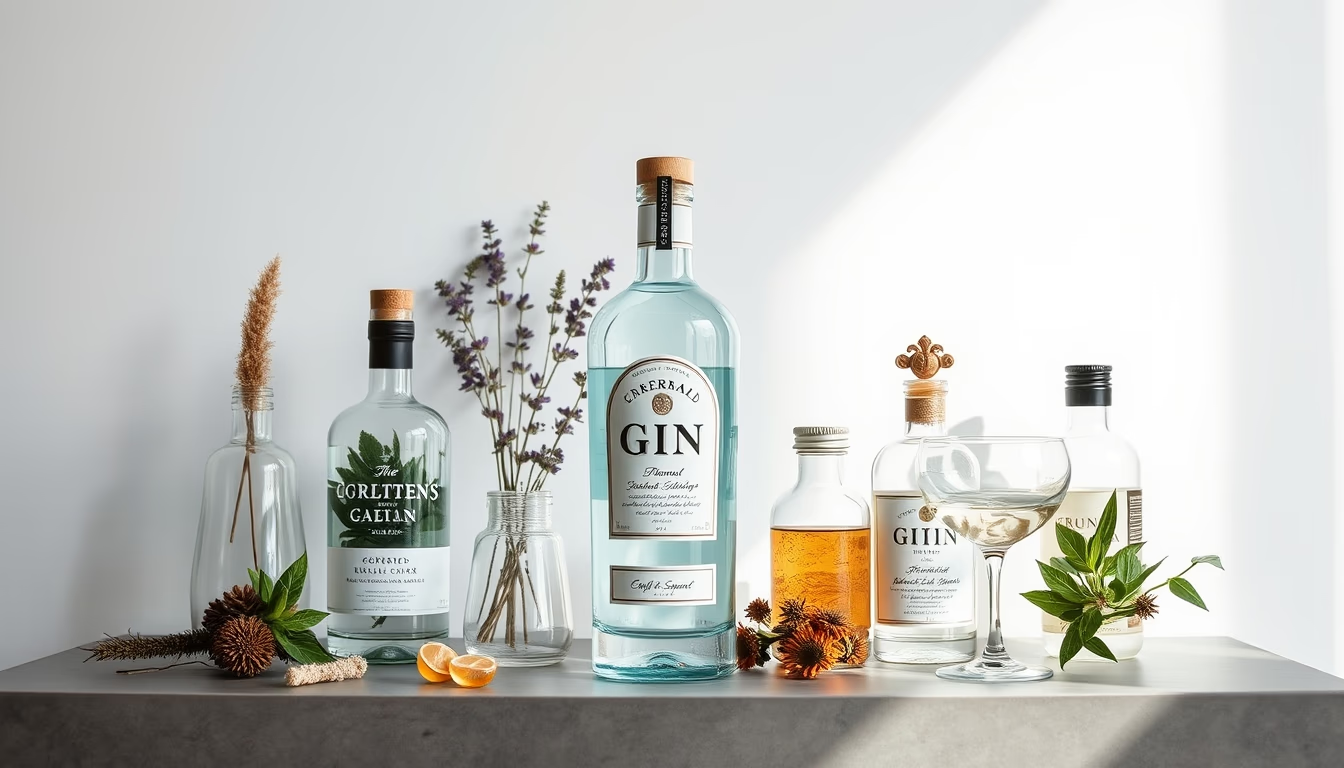
Discover the botanical ingredients that define the aromatic profile of gin, their origins and importance in craft distillation.
About this subject
Gin is a spirit flavored predominantly by juniper berries, but its complexity comes from a varied combination of botanicals. Each distillery selects its own recipe, which may include dozens of ingredients such as coriander, orange peel, lemon, star anise, cinnamon, cardamom, angelica root, licorice, lavender, and pepper. The mixture is macerated or vapor-infused during distillation, extracting essential oils that impart citrus, floral, spicy, or herbal notes.
The gin tradition dates back to the 17th century in the Netherlands, where genever was consumed by physicians. With its rise in popularity in England, London Dry Gin became the most widespread style, requiring all flavors to be natural and obtained solely through redistillation. In recent years, the craft gin movement has exploded globally, with producers experimenting with local ingredients, such as cashew in Brazil, green tea in Japan, or myrtle in Italy.
Juniper berries (Juniperus communis) are legally mandatory in the European Union for a spirit to be called gin. They provide the characteristic resinous and slightly bitter flavor. Coriander adds citrus and earthy notes; angelica root acts as a flavor fixative; cardamom brings freshness and warmth. The proportion of these botanicals is an industrial secret, some gins have over 40 ingredients, like Monkey 47, which uses wild berries from the Black Forest.
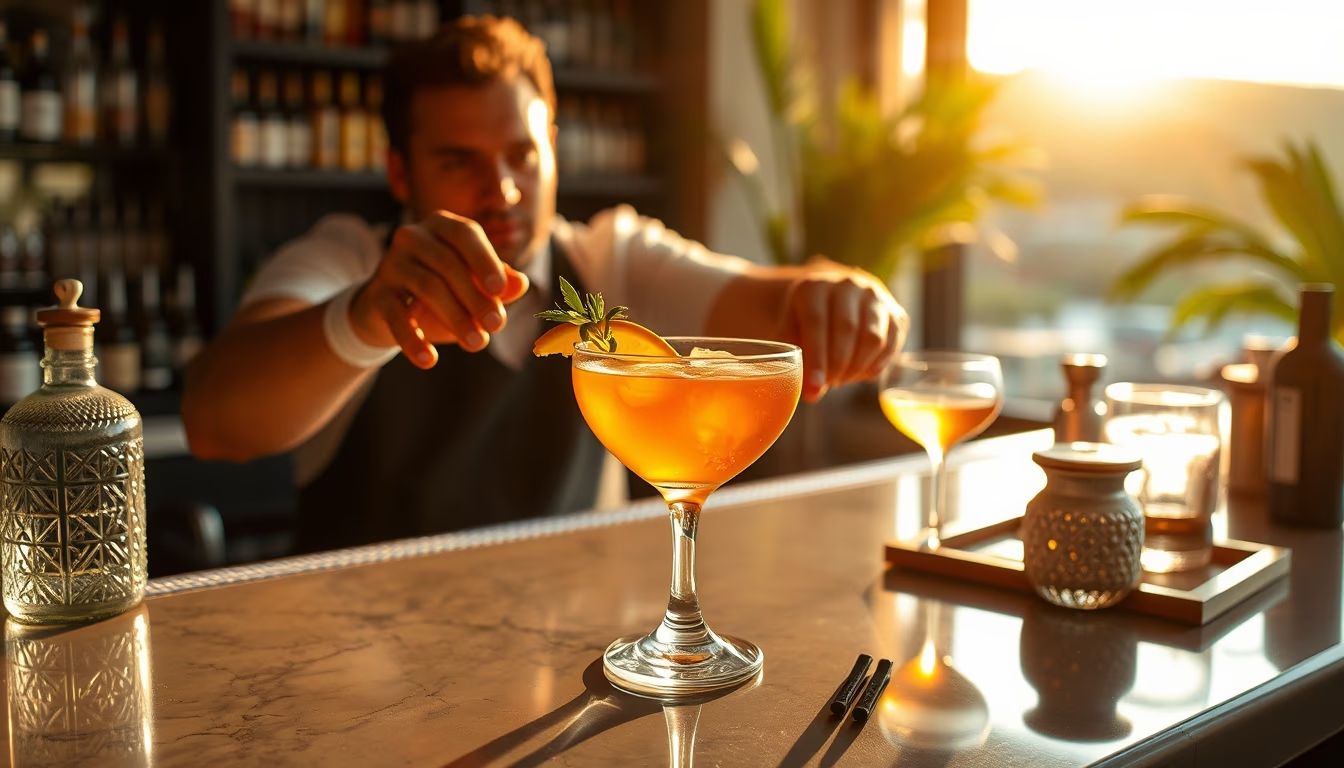
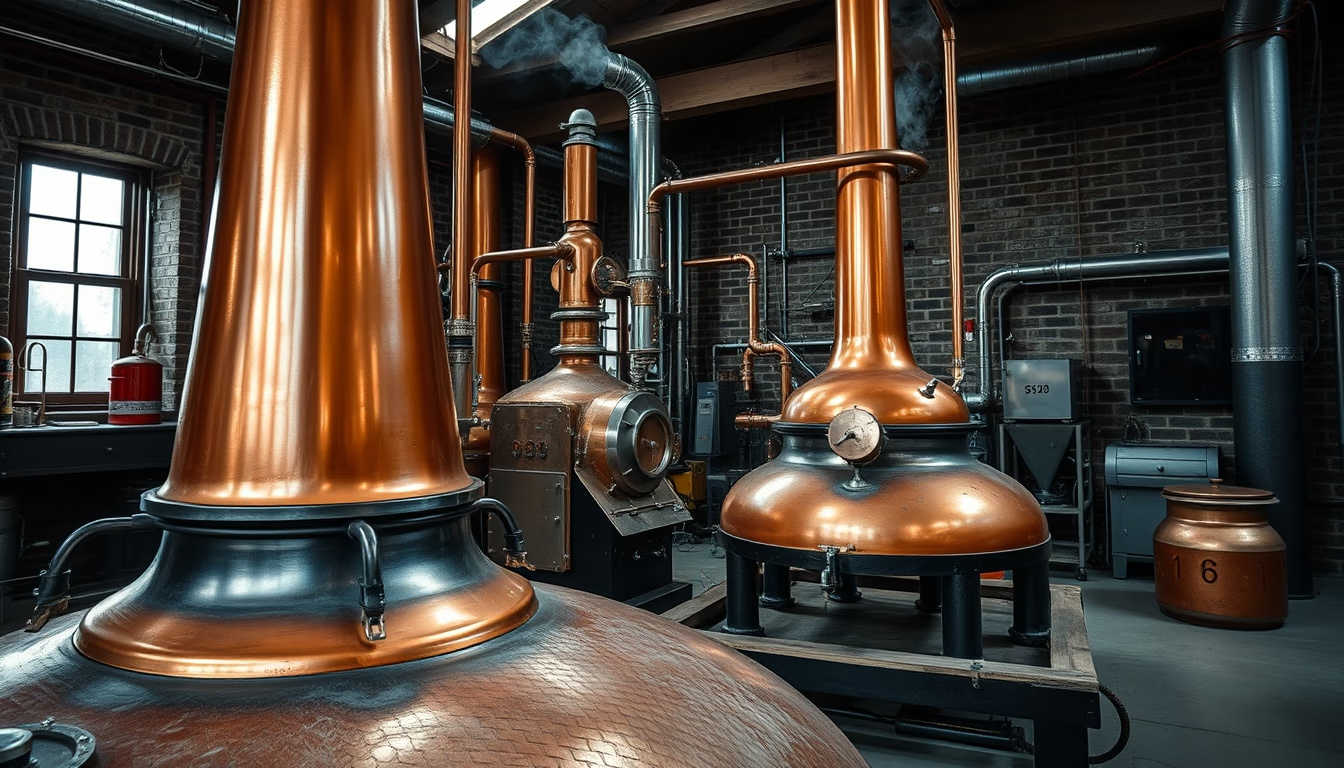
Besides flavor, botanicals influence the texture and finish of the drink. Gins high in anise tend to be sweeter, while those rich in citrus are more refreshing. The choice of base alcohol (usually from grains) and the distillation method (copper pot vs. column) also interact with botanicals, creating unique profiles. Pairing with tonic waters and garnishes like rosemary, pink pepper, or grapefruit further expands the sensory range.
Frequently Asked Questions
What are the most common botanicals in gin?
The most common are juniper berries (mandatory), coriander, lemon and orange peel, angelica root, cardamom, star anise, licorice, cinnamon, nutmeg, and lavender. The combination varies depending on the gin style.
How are botanicals incorporated into gin?
Botanicals can be macerated in the base alcohol before distillation or placed in a basket inside the still so that vapor extracts their essential oils. The vapor infusion method yields subtler flavors, while maceration results in more intense profiles.
What defines a London Dry Gin?
London Dry Gin is a style defined by law that prohibits the addition of sugars or colorings after distillation. All flavors must come exclusively from botanicals through redistillation, resulting in a drier, more natural profile.
Direct URL
https://pub-c7d6a6ea828543ac903a74a341ccb2e1.r2.dev/imagens/gin-botanicals-display-minimalist-composition-p5.avifHow to credit
Include a visible link back to UtilizAí. Copy one of the snippets below:
<a href="https://xn--utiliza-eza.com/en/midia/imagens/gin-botanicals-display-minimalist-composition-p5">Gin botanicals display</a> by <a href="https://xn--utiliza-eza.com">UtilizAí</a>, licensed under <a href="https://creativecommons.org/licenses/by/4.0/">CC BY 4.0</a>.
[Gin botanicals display](https://xn--utiliza-eza.com/en/midia/imagens/gin-botanicals-display-minimalist-composition-p5) by [UtilizAí](https://xn--utiliza-eza.com), CC BY 4.0
License: CC-BY-4.0