Gin botanicals display
1344×768 · AVIF · CC BY 4.0
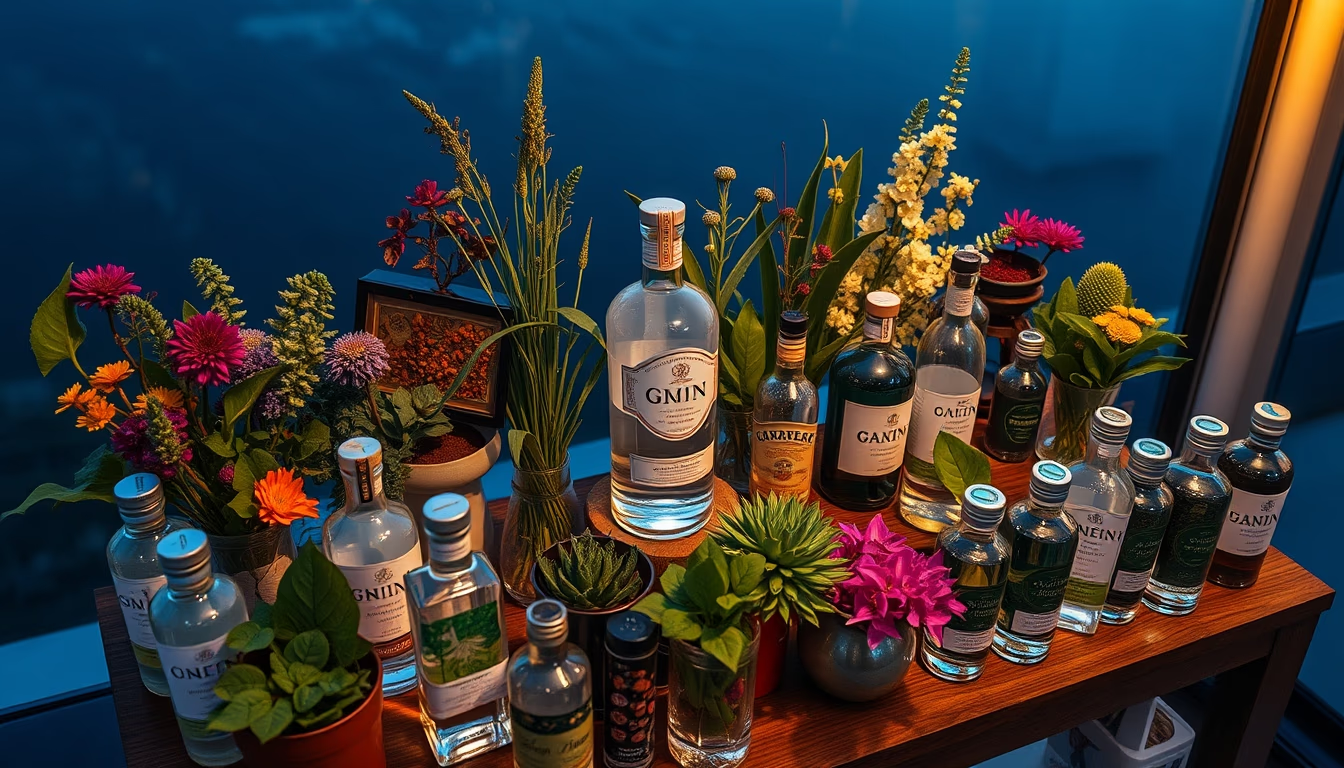
Discover the botanical ingredients that define gin's flavor, from juniper to exotic spices, in an aerial view of an organized display.
About this subject
Gin is a spirit whose characteristic flavor comes from a combination of botanicals, with juniper being the mandatory ingredient by law in many regions. Alongside it, other plants such as coriander, angelica, lemon peel, bitter orange, cardamom, black pepper, and cinnamon are commonly used to create complex aromatic profiles. The selection and proportion of these botanicals is what differentiates each brand and style of gin, from classic London Dry to modern 'fusion gins' that incorporate ingredients like hibiscus, green tea, or lavender.
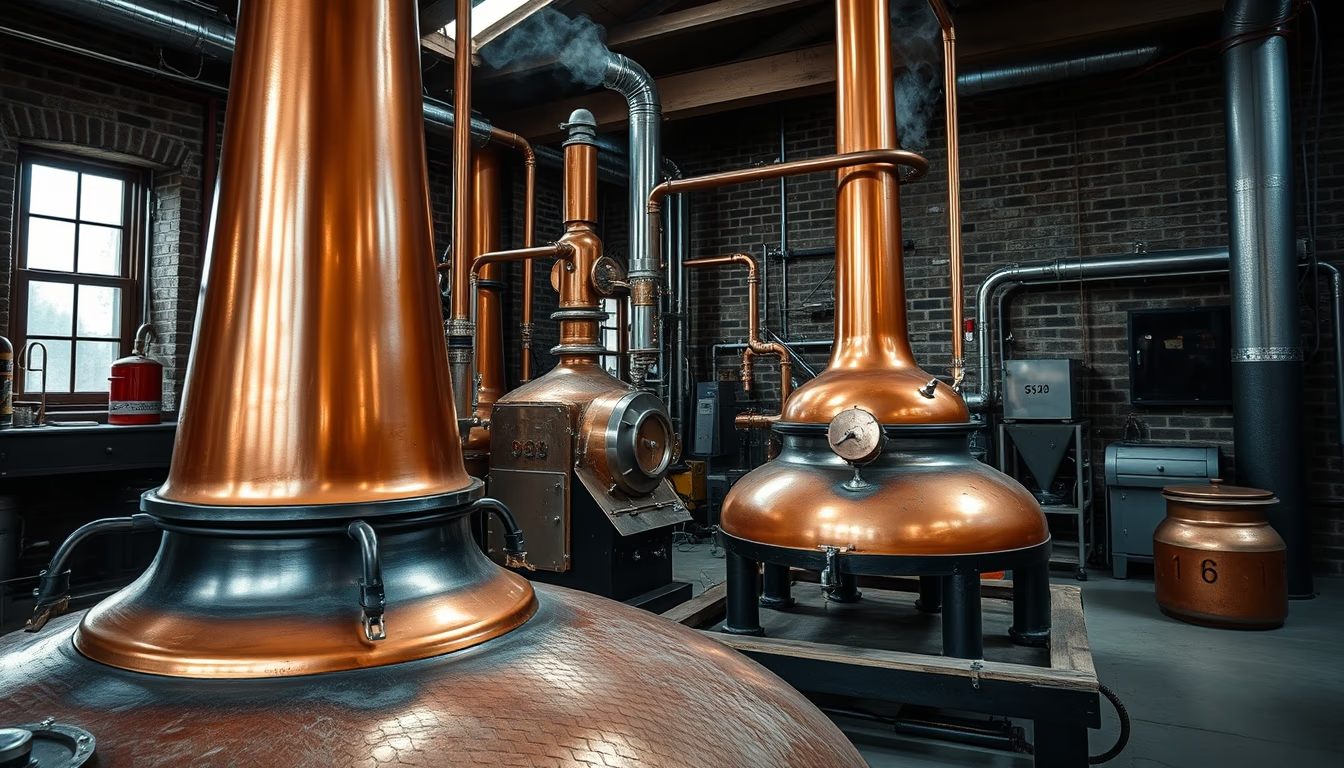
Gin production begins with maceration or vapor infusion of botanicals in neutral alcohol. In the traditional method, botanicals are soaked in the still for a few hours before distillation, releasing their essential oils. Some distillers prefer the vapor technique, where botanicals are suspended in a basket and the alcoholic vapor passes through them, extracting aromas more subtly. The result is a clear distillate that carries the essence of each plant.
Historically, gin originated in the Netherlands in the 17th century as a medicine, but it became popular in England. The 'Gin Craze' of the 18th century led to rampant consumption and regulations that defined the London Dry style. Today, gin is experiencing a global renaissance, with craft distilleries exploring local and regional botanicals, such as catingueira in Brazil or myrtle in Patagonia. This diversity makes the study of botanicals a fascinating sensory journey.
Interestingly, juniper is not a berry but a female cone of a conifer, used for millennia in cooking and medicine. Angelica, meanwhile, was cultivated in medieval monasteries as a cure for the plague. Each botanical carries a history and purpose, and the final composition of a gin can contain from 4 to over 40 ingredients, all balanced to create a unique experience in the glass.
Frequently Asked Questions
What are the essential botanicals in gin?
Juniper is mandatory to define a spirit as gin. Common botanicals include coriander, angelica, lemon peel, bitter orange, cardamom, black pepper, cinnamon, nutmeg, and orris root.
How do botanicals influence the flavor of gin?
Each botanical contributes specific notes: juniper provides the characteristic resinous aroma; coriander adds citrus and spicy touches; angelica gives an earthy and sweet taste; citrus fruits provide freshness. The balance among them defines the gin's profile.
What is the historical origin of gin and its botanicals?
Gin originated in the Netherlands in the 17th century as a juniper-based medicine called genever. It became popular in England during the 'Gin Craze' (1720-1751), when rampant consumption led to laws that standardized production, giving rise to London Dry Gin.
Direct URL
https://pub-c7d6a6ea828543ac903a74a341ccb2e1.r2.dev/imagens/gin-botanicals-display-aerial-drone-shot-p3.avifHow to credit
Include a visible link back to UtilizAí. Copy one of the snippets below:
<a href="https://xn--utiliza-eza.com/en/midia/imagens/gin-botanicals-display-aerial-drone-shot-p3">Gin botanicals display</a> by <a href="https://xn--utiliza-eza.com">UtilizAí</a>, licensed under <a href="https://creativecommons.org/licenses/by/4.0/">CC BY 4.0</a>.
[Gin botanicals display](https://xn--utiliza-eza.com/en/midia/imagens/gin-botanicals-display-aerial-drone-shot-p3) by [UtilizAí](https://xn--utiliza-eza.com), CC BY 4.0
License: CC-BY-4.0