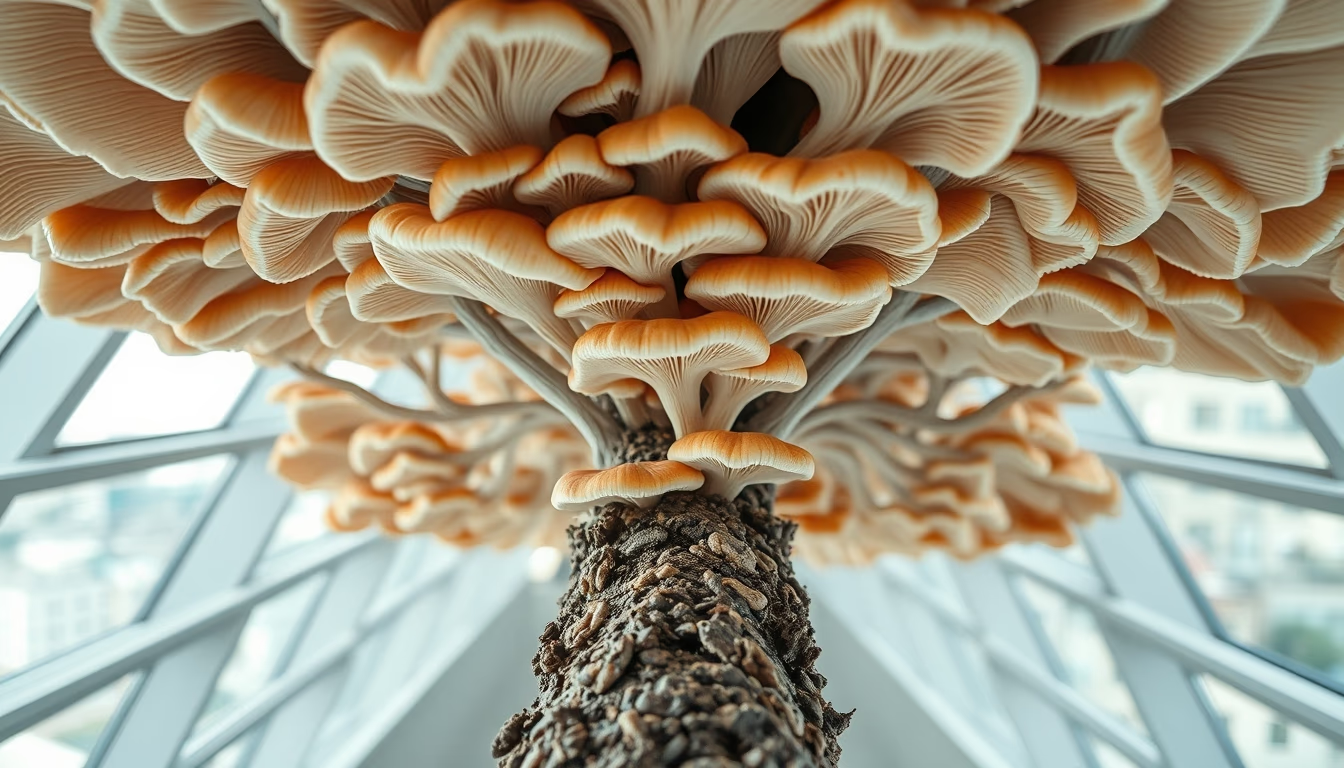
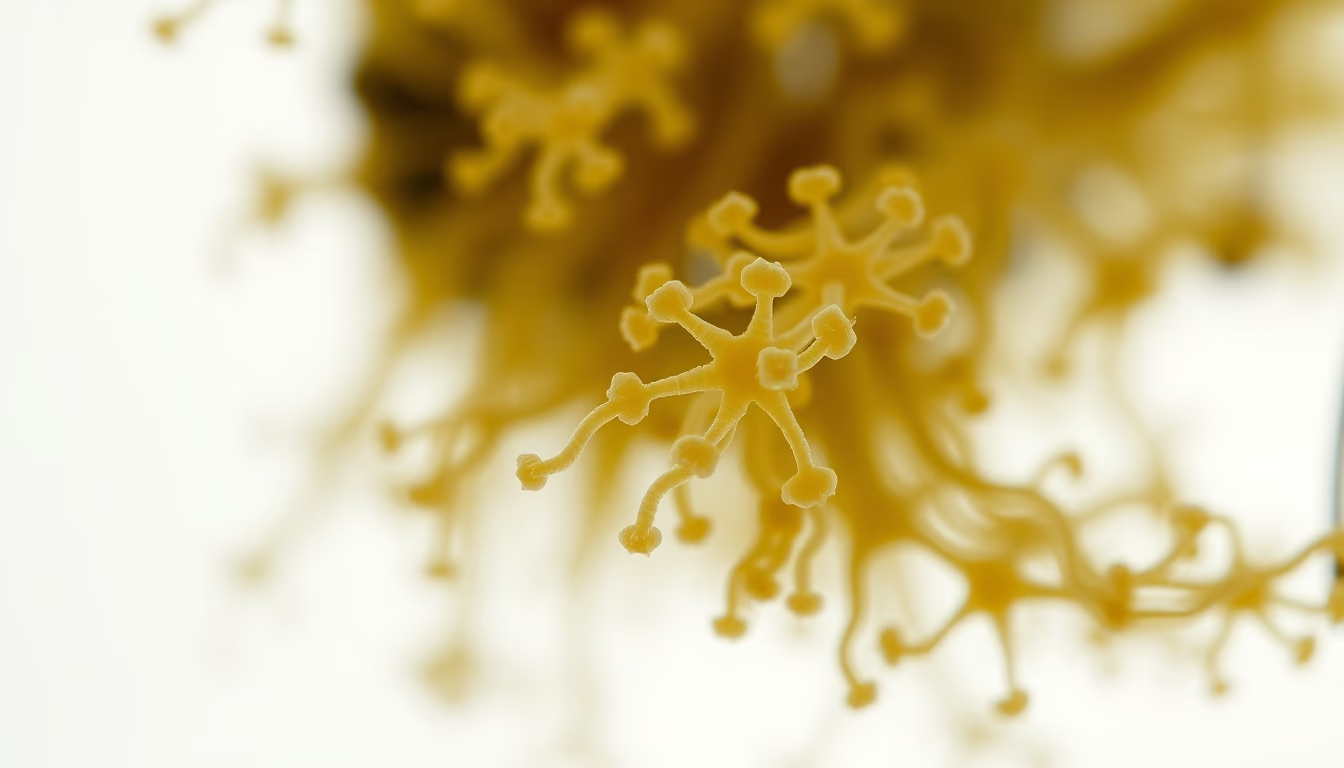
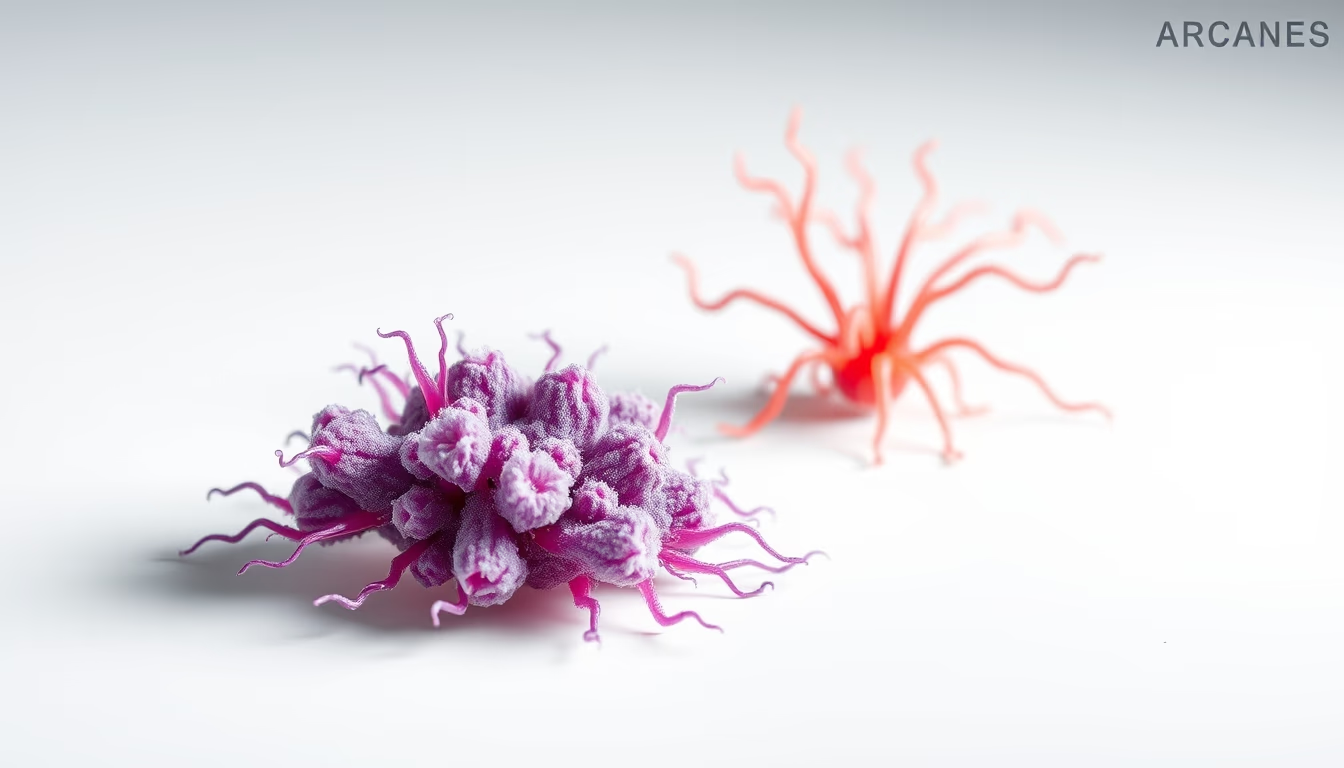
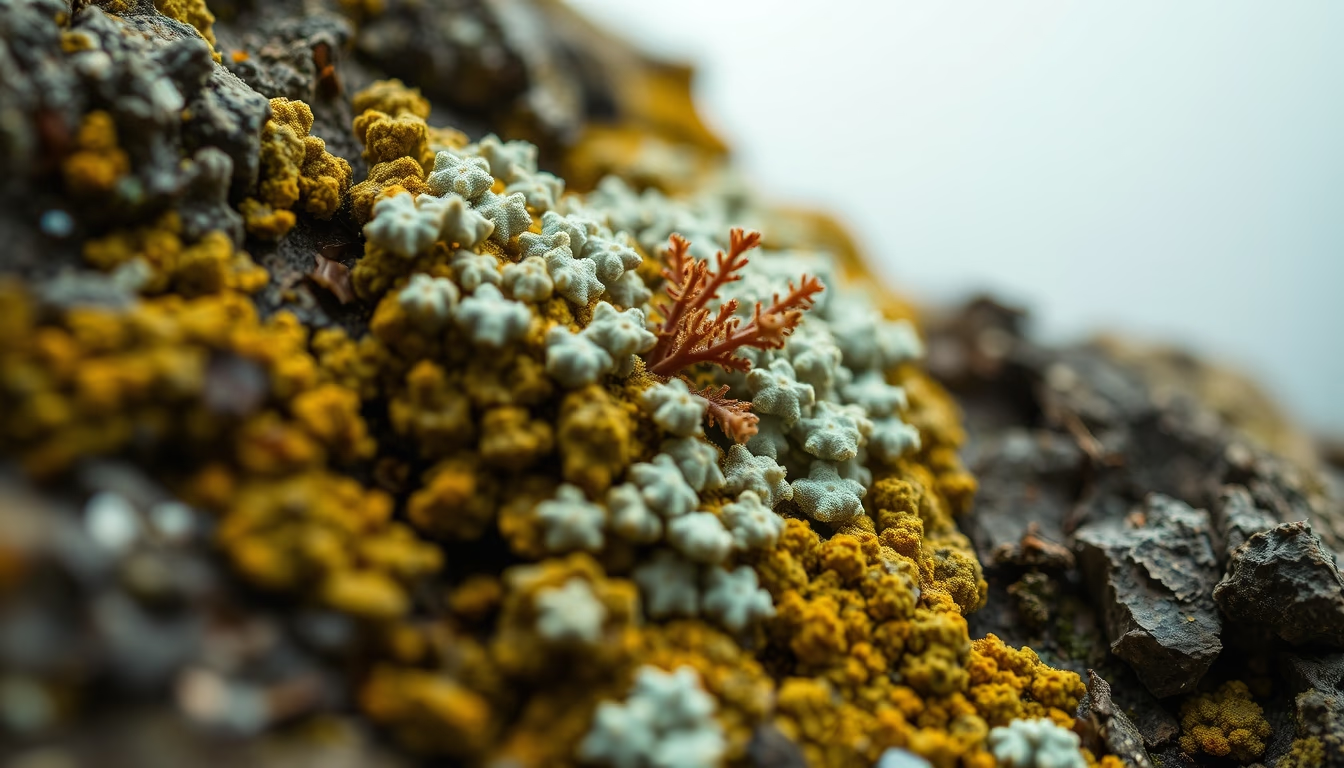
Fungi mycelium network
1344×768 · AVIF · CC BY 4.0
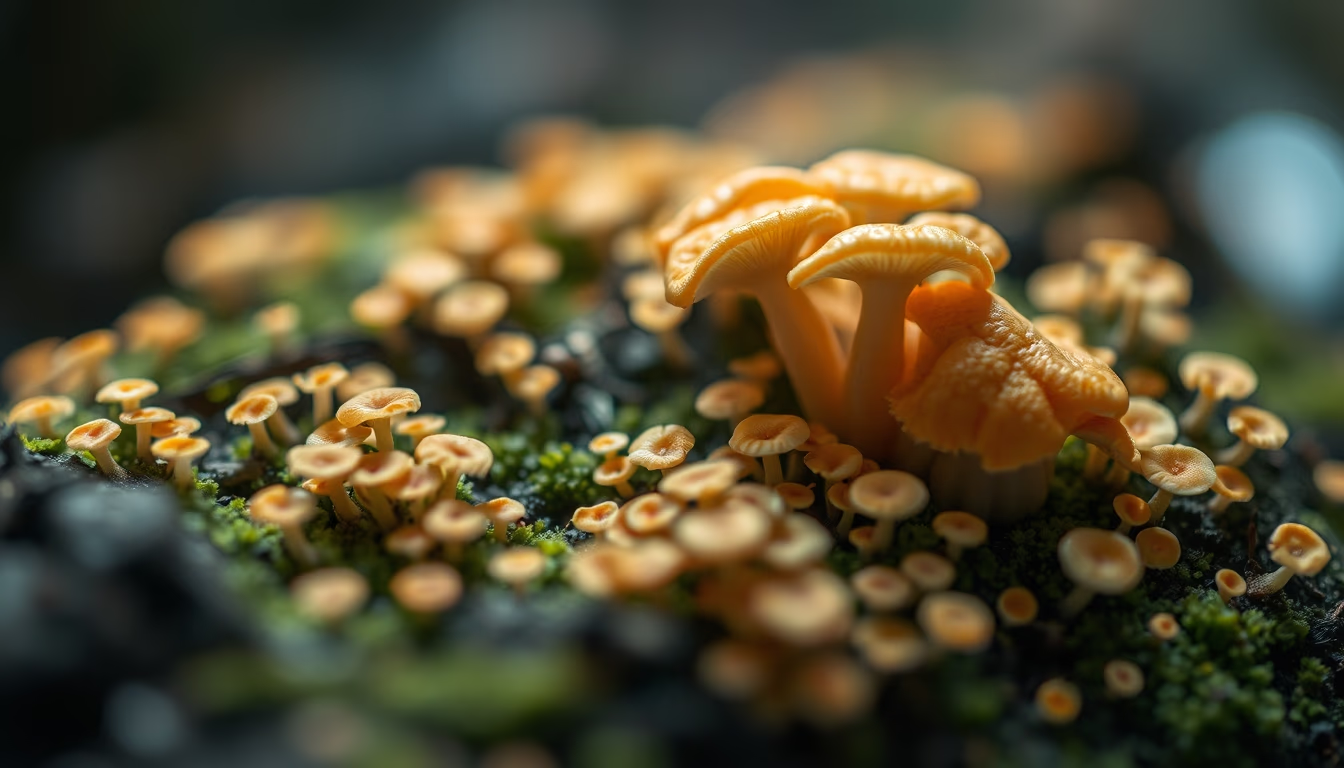
Mycelium forms a vast underground network of filaments that connects plant roots and recycles nutrients in the soil.
About this subject
Mycelium is the vegetative part of fungi, composed of a network of filaments called hyphae. These structures grow through soil, wood, or other substrates, forming a mat that can extend for kilometers. It is estimated that a single gram of soil can contain several kilometers of hyphae. Mycelium plays a key role in decomposing organic matter, recycling carbon, nitrogen, and other essential elements in the ecosystem.
Beyond decomposition, mycelium forms symbiotic associations with about 90% of land plants, known as mycorrhizae. In this relationship, hyphae increase the surface area for water and mineral absorption by roots, while receiving sugars produced by photosynthesis. This exchange is crucial for soil fertility and forest health. Recent studies show that mycelium can even transmit warning signals between plants about pests or water stress, acting as a kind of "natural internet."
Interestingly, the largest living organism on Earth is a mycelium of Armillaria ostoyae in Malheur National Forest, Oregon, covering about 9.6 km² and estimated to be between 2,000 and 8,000 years old. Mycelium also has practical applications: it is used in food production (edible mushrooms), enzyme and drug manufacturing (such as penicillin), and biotechnology for bioremediation of contaminated soils. New research explores its use in biodegradable packaging and sustainable building materials.
Despite its importance, mycelium remains poorly understood. Most fungal species have not been described, and mycelial networks are difficult to map due to their underground nature. Techniques such as DNA sequencing and advanced microscopy are revealing the complexity of these connections, which sustain soil life and influence the global carbon cycle.
Frequently Asked Questions
What is mycelium and where is it found?
Mycelium is the vegetative part of fungi, composed of hyphal filaments. It is found in soil, decomposing wood, and other organic substrates, forming networks that can be microscopic or extend over large areas.
How important is mycelium for plants?
Mycelium forms symbiotic associations called mycorrhizae with plant roots, helping in water and nutrient uptake. In return, plants provide sugars to the fungus. This mutualism is essential for most terrestrial plants.
Can mycelium be used in sustainable technologies?
Yes. Mycelium is used in biodegradable packaging, building materials (such as bricks), bioremediation of contaminated soils, and even in leather alternatives. Research indicates its potential to replace plastics and other non-renewable materials.
Direct URL
https://pub-c7d6a6ea828543ac903a74a341ccb2e1.r2.dev/imagens/fungi-mycelium-network-tilt-shift-miniature-fresh4.avifHow to credit
Include a visible link back to UtilizAí. Copy one of the snippets below:
<a href="https://xn--utiliza-eza.com/en/midia/imagens/fungi-mycelium-network-tilt-shift-miniature-fresh4">Fungi mycelium network</a> by <a href="https://xn--utiliza-eza.com">UtilizAí</a>, licensed under <a href="https://creativecommons.org/licenses/by/4.0/">CC BY 4.0</a>.
[Fungi mycelium network](https://xn--utiliza-eza.com/en/midia/imagens/fungi-mycelium-network-tilt-shift-miniature-fresh4) by [UtilizAí](https://xn--utiliza-eza.com), CC BY 4.0
License: CC-BY-4.0