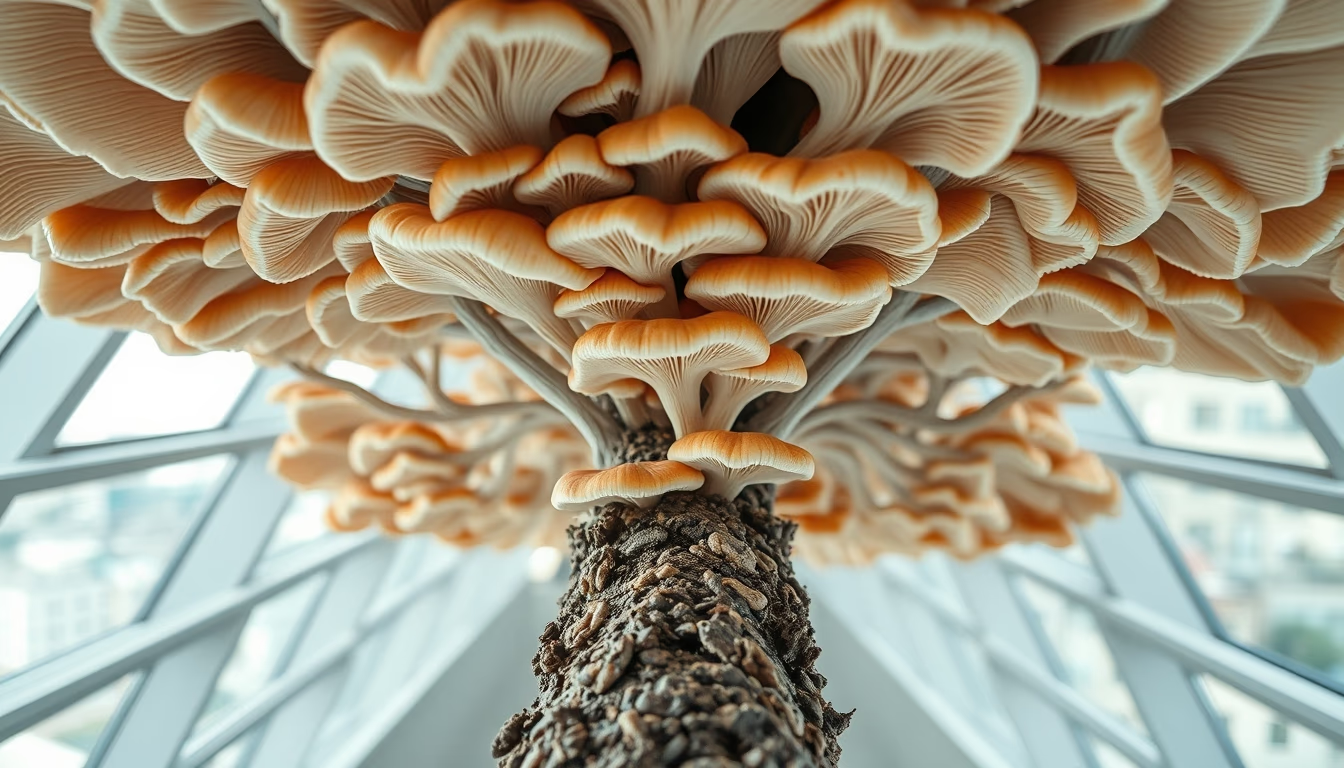
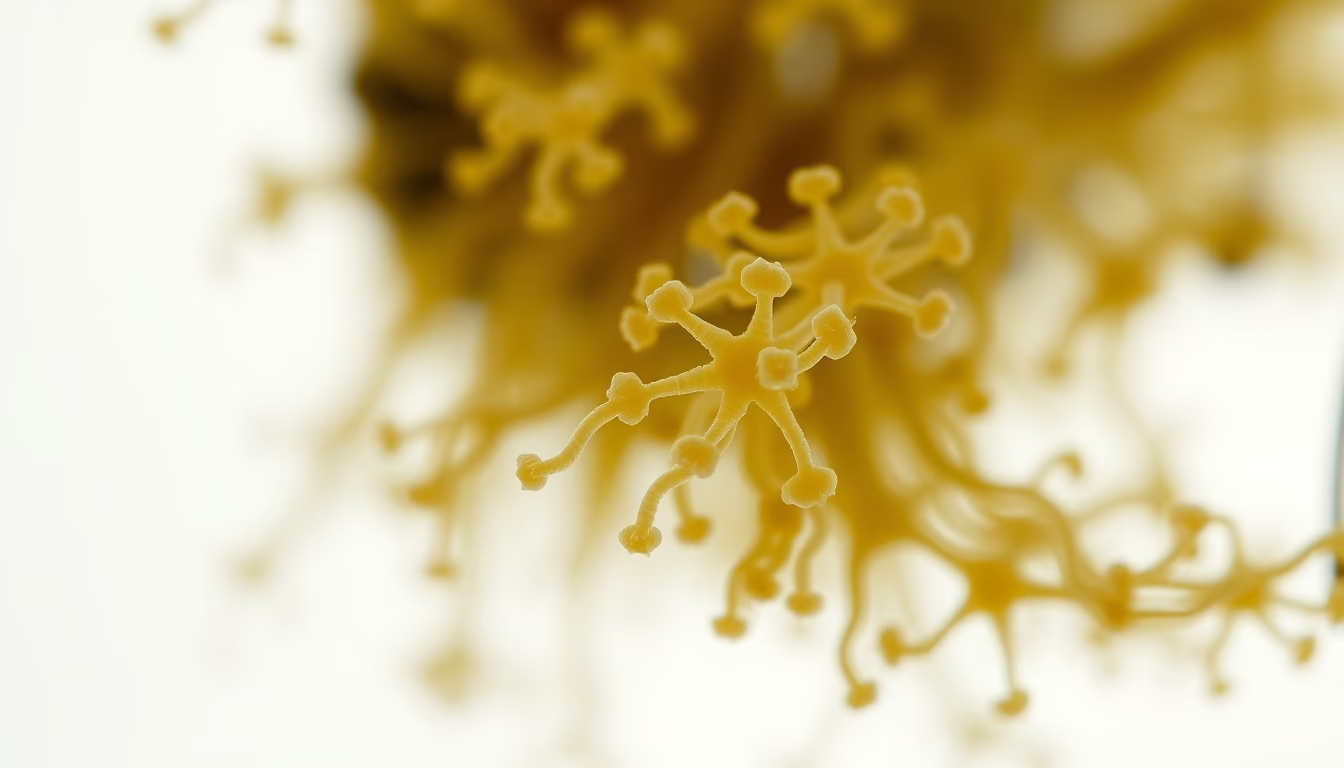
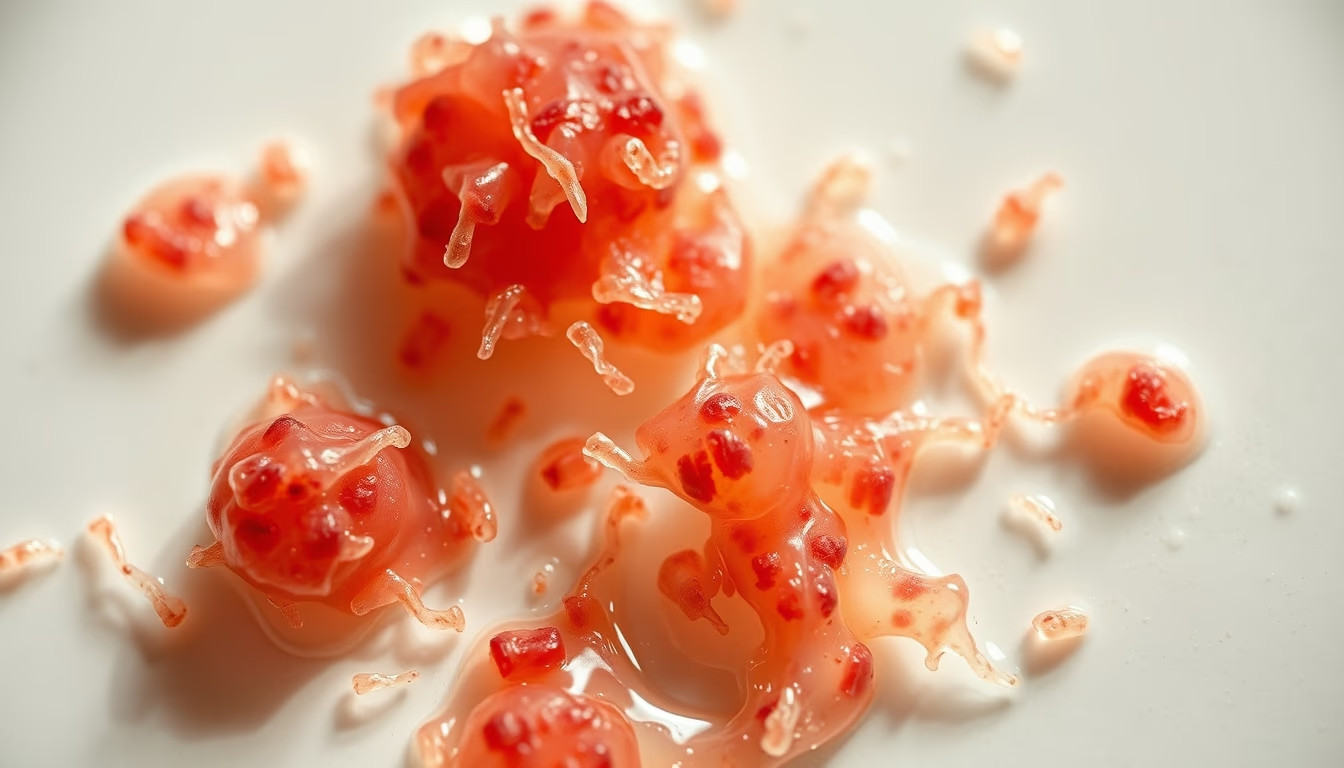
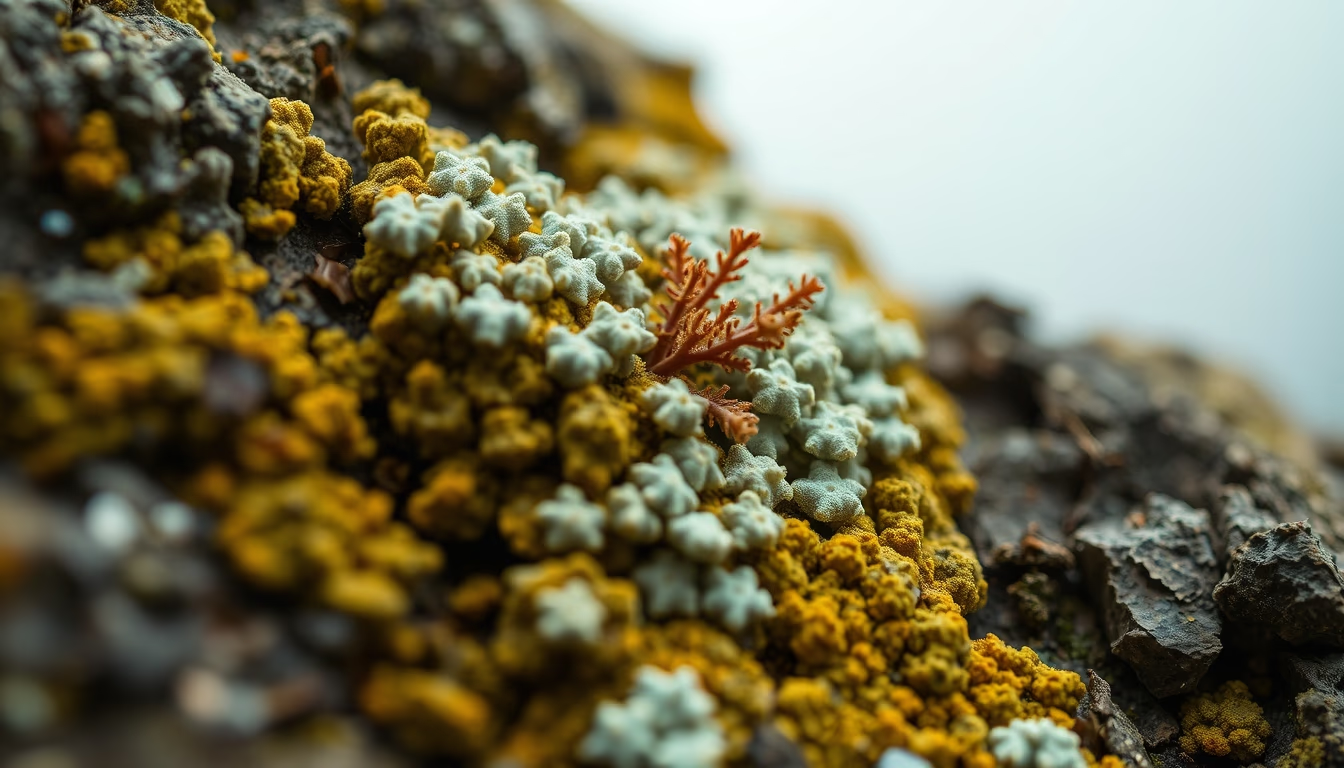
Fungi mycelium network
1344×768 · AVIF · CC BY 4.0
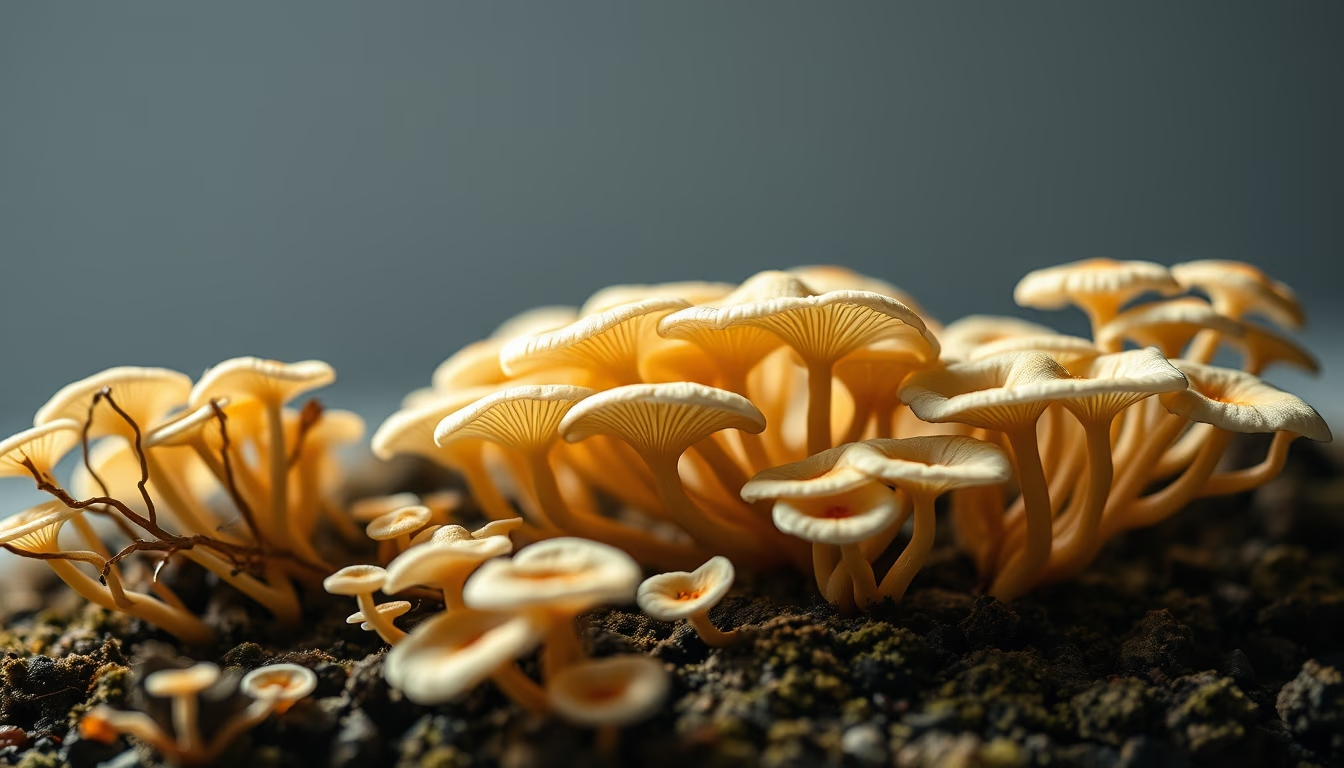
The fungal mycelium network is an underground structure that connects plants and transfers nutrients, essential for ecosystem health.
About this subject
Mycelium is the vegetative part of fungi, composed of a network of filaments called hyphae. This structure spreads through the soil, forming a web that can cover vast areas. A single gram of soil can contain kilometers of hyphae. Mycelium acts as a communication and transport system among plants, enabling the exchange of water, carbon, and nutrients like phosphorus and nitrogen. This phenomenon is known as the “Wood Wide Web,” an analogy to the internet, as it connects trees and other plants in a symbiotic network.
Beyond its ecological role, mycelium has practical applications. It is used in bioremediation to break down pollutants such as oil and pesticides. In industry, fungi like Pleurotus ostreatus (oyster mushroom) are cultivated to produce mycelium, which serves as a base for sustainable materials: packaging, textiles, and even bricks. Companies like Ecovative Design utilize mycelium to create alternatives to plastic and leather.
Interestingly, the largest living organism on Earth is a mycelium of the fungus Armillaria ostoyae, located in Oregon, USA. It covers approximately 9.6 km² and is thousands of years old. Despite its invisibility, mycelium plays a crucial role in carbon cycling and soil formation, directly influencing the global climate. Conserving fungi and their mycelia is therefore vital for environmental sustainability.
Frequently Asked Questions
What is the fungal mycelium network?
The mycelium network is an underground filamentous structure that makes up most of a fungus's body. It acts as a transport and communication system among plants, exchanging nutrients and water.
How does mycelium benefit plants?
Mycelium forms symbiotic associations called mycorrhizae with plant roots, enhancing water and mineral uptake. In return, plants provide sugars produced by photosynthesis.
Can mycelium be used for commercial purposes?
Yes, mycelium is used to produce sustainable materials such as packaging, textiles, and vegan leather. It is also employed in bioremediation to clean contaminated soils.
Direct URL
https://pub-c7d6a6ea828543ac903a74a341ccb2e1.r2.dev/imagens/fungi-mycelium-network-minimalist-composition-fresh11.avifHow to credit
Include a visible link back to UtilizAí. Copy one of the snippets below:
<a href="https://xn--utiliza-eza.com/en/midia/imagens/fungi-mycelium-network-minimalist-composition-fresh11">Fungi mycelium network</a> by <a href="https://xn--utiliza-eza.com">UtilizAí</a>, licensed under <a href="https://creativecommons.org/licenses/by/4.0/">CC BY 4.0</a>.
[Fungi mycelium network](https://xn--utiliza-eza.com/en/midia/imagens/fungi-mycelium-network-minimalist-composition-fresh11) by [UtilizAí](https://xn--utiliza-eza.com), CC BY 4.0
License: CC-BY-4.0