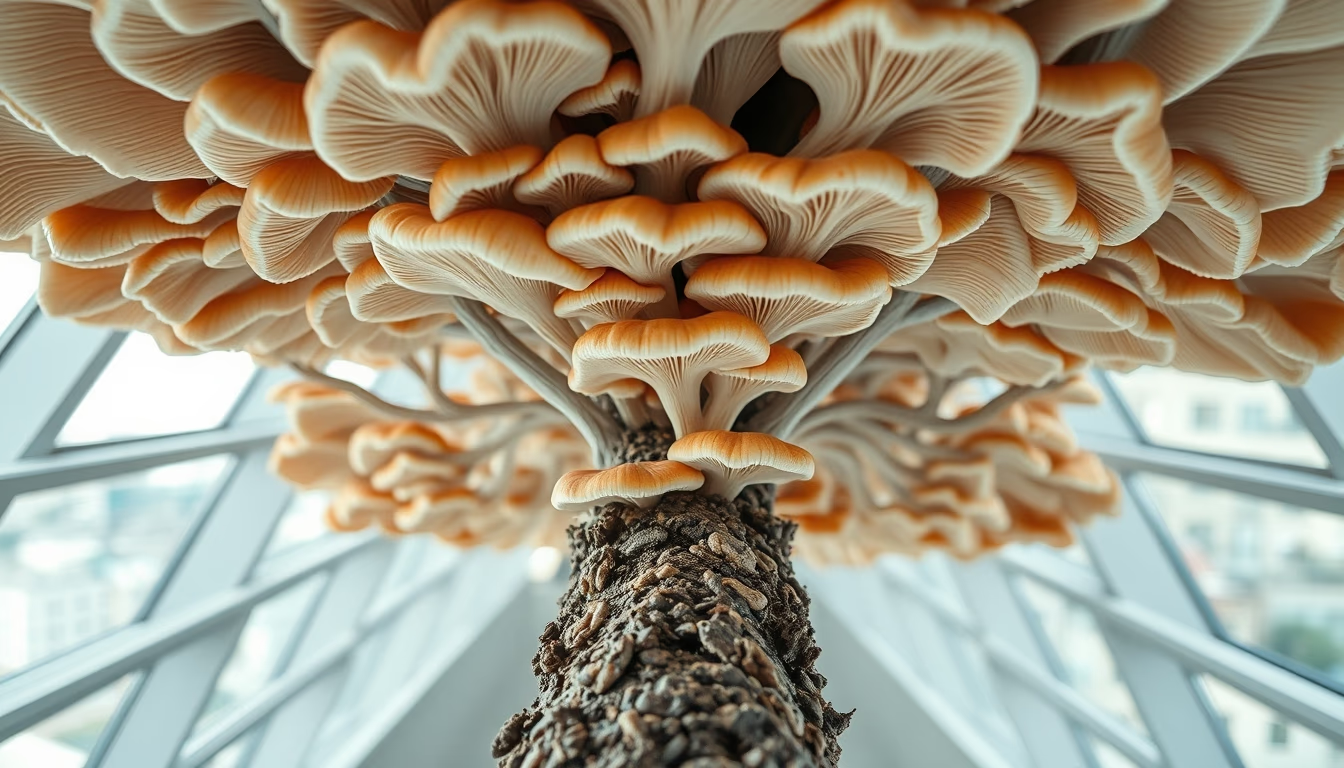
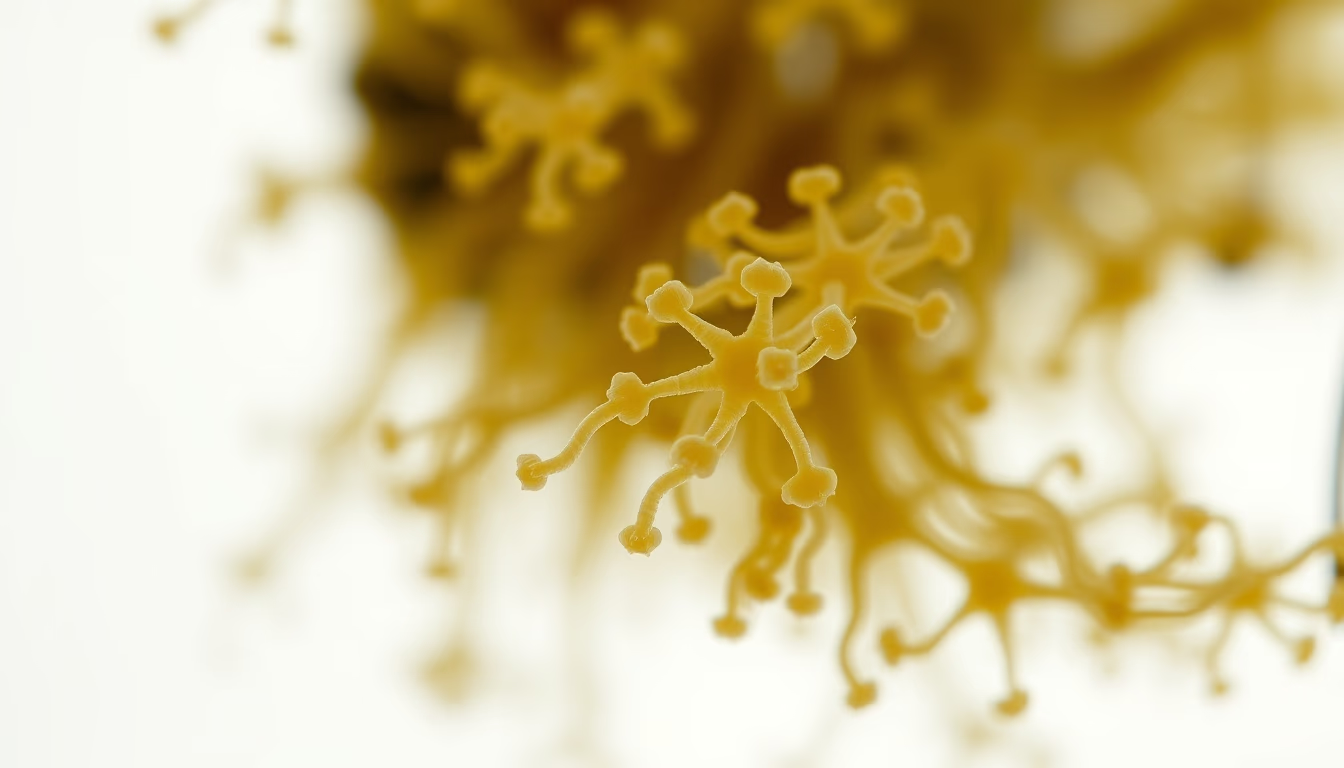
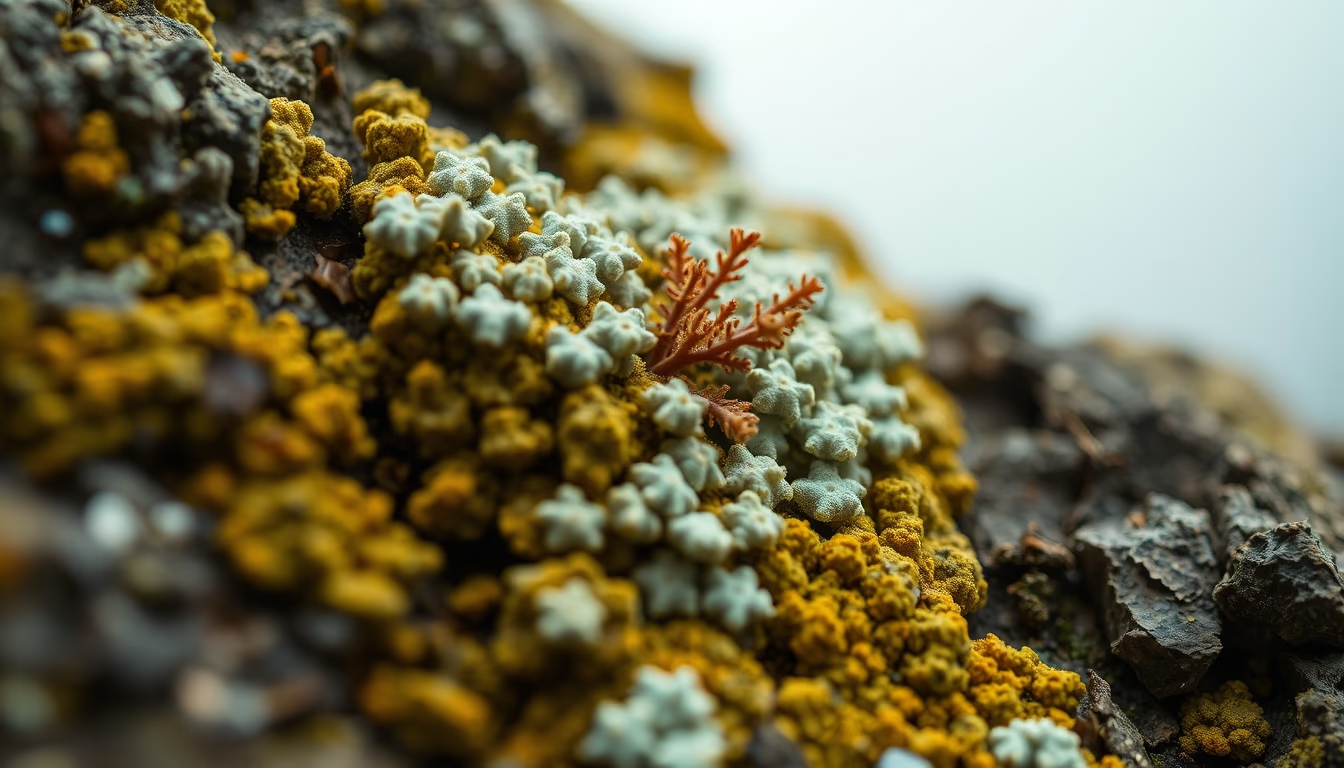
Fungi mycelium network
1344×768 · AVIF · CC BY 4.0
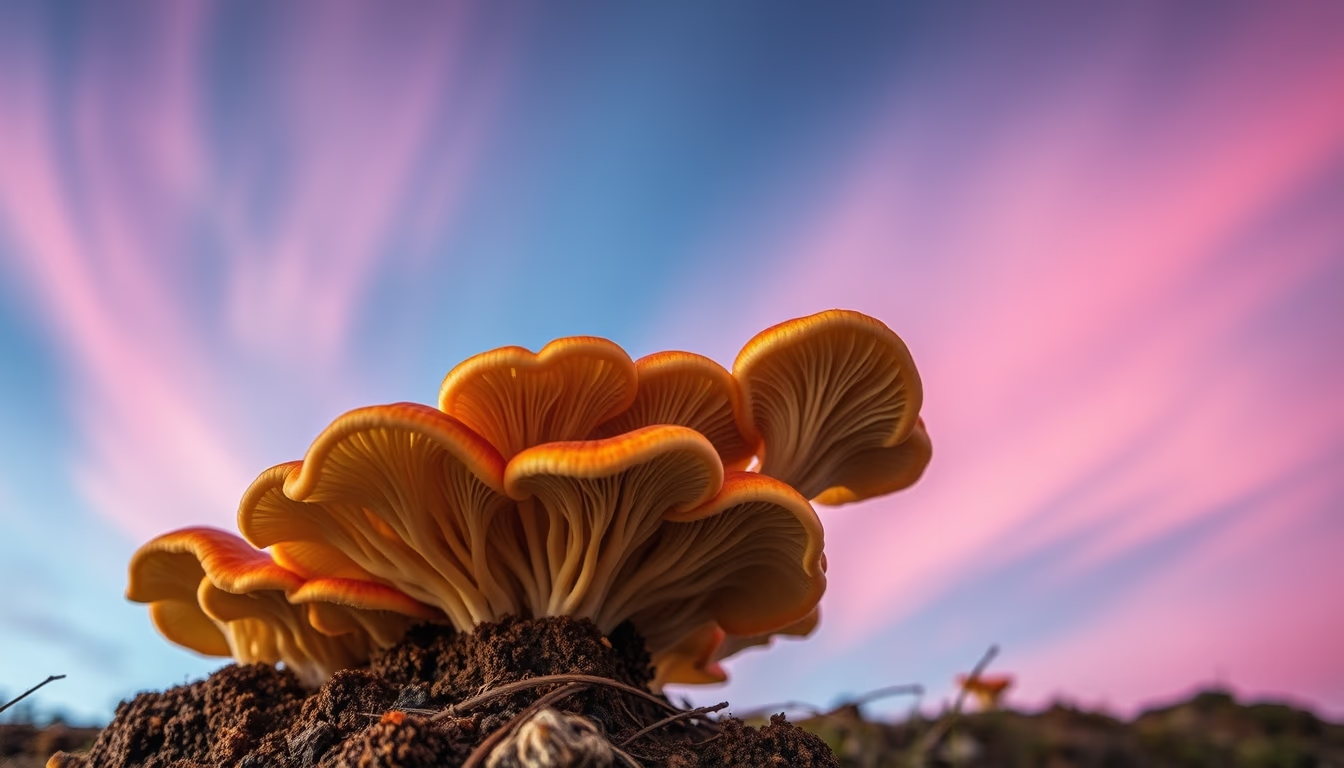
The fungal mycelium network is an underground structure of filaments connecting plants and ecosystems, functioning as a natural internet.
About this subject
Mycelium is the vegetative part of fungi, composed of a complex network of hyphae, microscopic filaments that branch and grow through soil or other substrates. This structure can extend for kilometers, with a single fungal individual, such as Armillaria ostoyae, covering areas up to 9.6 square kilometers. This underground web is often called the 'Wood Wide Web' due to its ability to connect plant roots, allowing exchange of nutrients, water, and chemical signals between distant individuals. Studies show that plants can share carbon, phosphorus, and nitrogen through hyphae, and even send warnings against pests or pathogens. The symbiosis between mycelium and roots, known as mycorrhiza, is essential for the health of about 90% of terrestrial plants. Additionally, mycelium plays a central role in decomposing organic matter, recycling nutrients and forming humus that sustains soil fertility. In technology, mycelium is used to create biodegradable packaging, plant-based leather, and acoustic insulators, replacing synthetic materials. The study of fungal networks impacts agriculture, ecological restoration, and biomechanics, revealing a system of communication and collaboration that challenges our understanding of natural intelligence.
Frequently Asked Questions
What is mycelium?
Mycelium is the vegetative part of fungi, consisting of a network of filaments called hyphae. It grows in soil or organic matter, absorbing nutrients and serving as the foundation for fungal reproduction.
How does mycelium connect to plants?
Mycelium forms symbiotic associations with plant roots, known as mycorrhizae. Hyphae envelop or penetrate the roots, exchanging nutrients like phosphorus and nitrogen for carbohydrates produced by the plant.
What is the ecological importance of mycelium?
Mycelium is crucial for decomposing organic matter, recycling nutrients, and maintaining soil fertility. It also connects plants in communication networks, enabling exchanges that enhance ecosystem resilience.
Direct URL
https://pub-c7d6a6ea828543ac903a74a341ccb2e1.r2.dev/imagens/fungi-mycelium-network-long-exposure-fresh1.avifHow to credit
Include a visible link back to UtilizAí. Copy one of the snippets below:
<a href="https://xn--utiliza-eza.com/en/midia/imagens/fungi-mycelium-network-long-exposure-fresh1">Fungi mycelium network</a> by <a href="https://xn--utiliza-eza.com">UtilizAí</a>, licensed under <a href="https://creativecommons.org/licenses/by/4.0/">CC BY 4.0</a>.
[Fungi mycelium network](https://xn--utiliza-eza.com/en/midia/imagens/fungi-mycelium-network-long-exposure-fresh1) by [UtilizAí](https://xn--utiliza-eza.com), CC BY 4.0
License: CC-BY-4.0