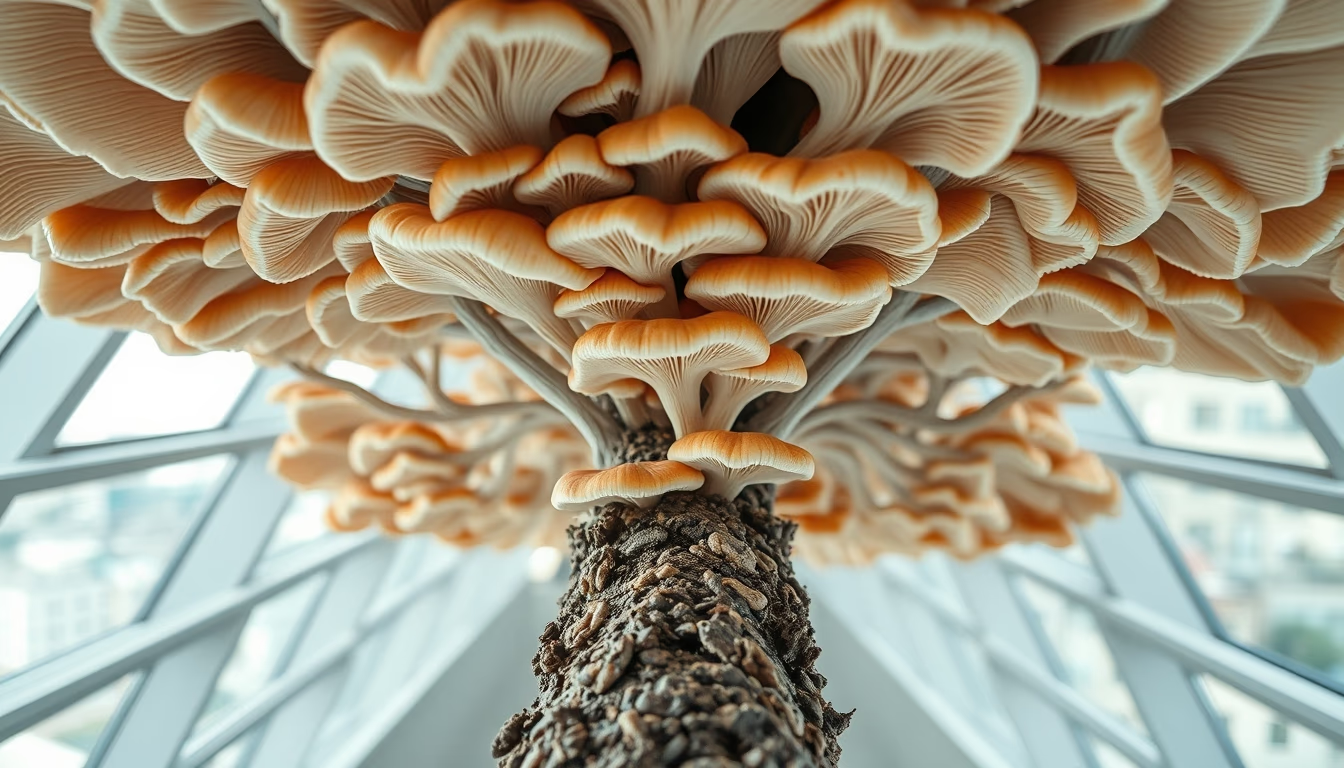
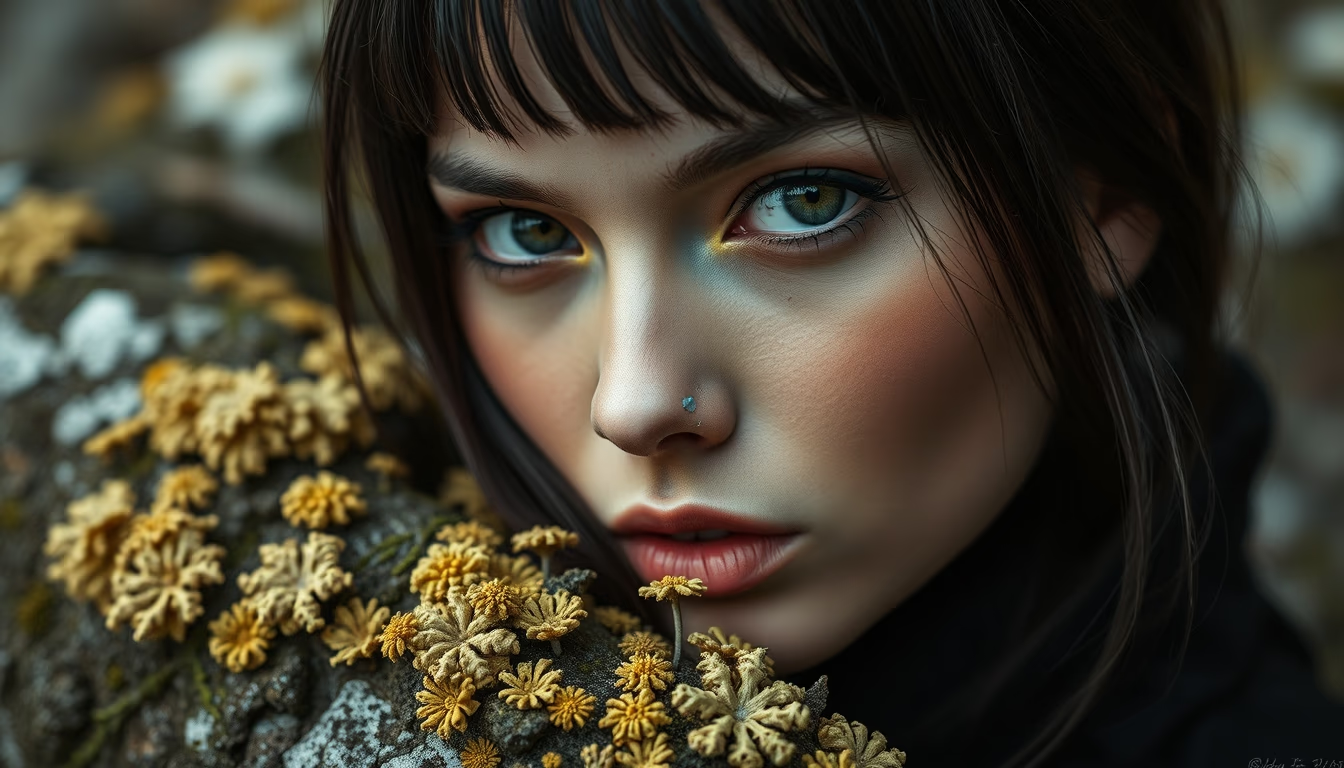
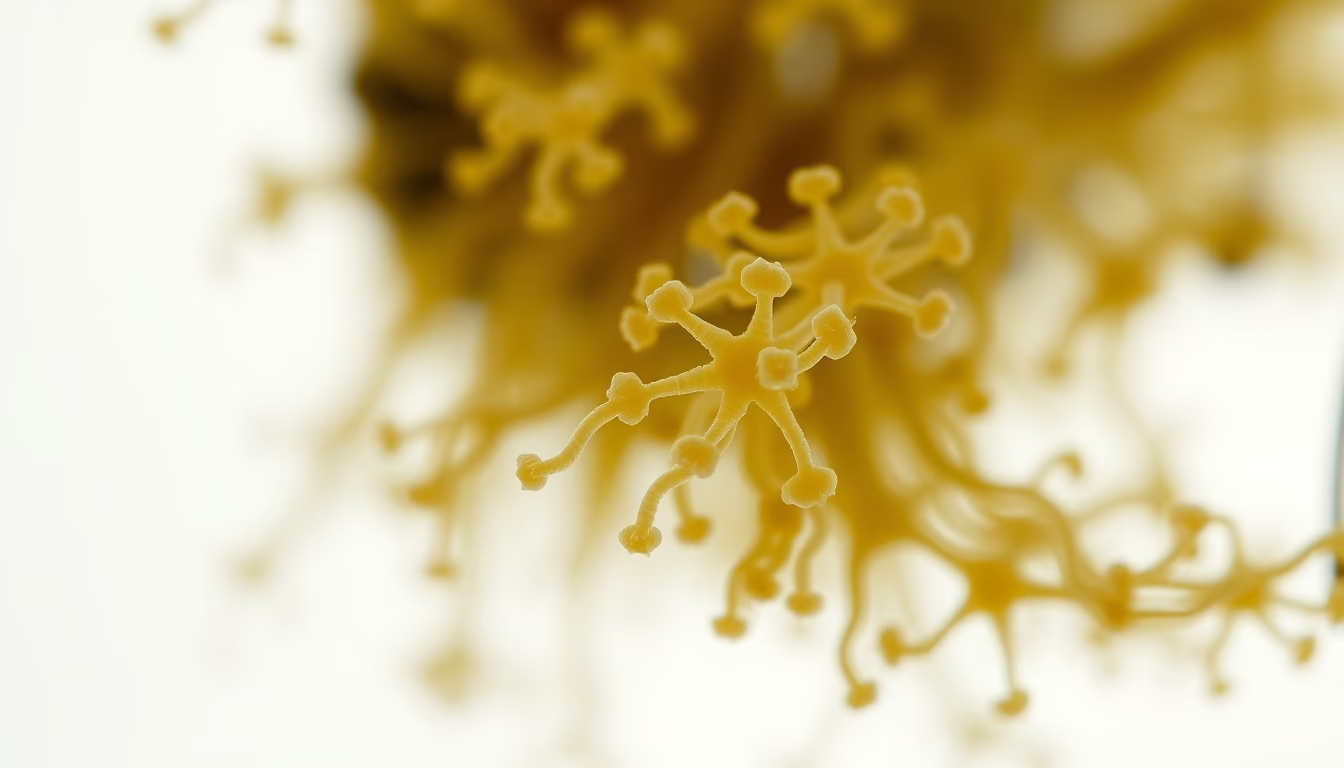
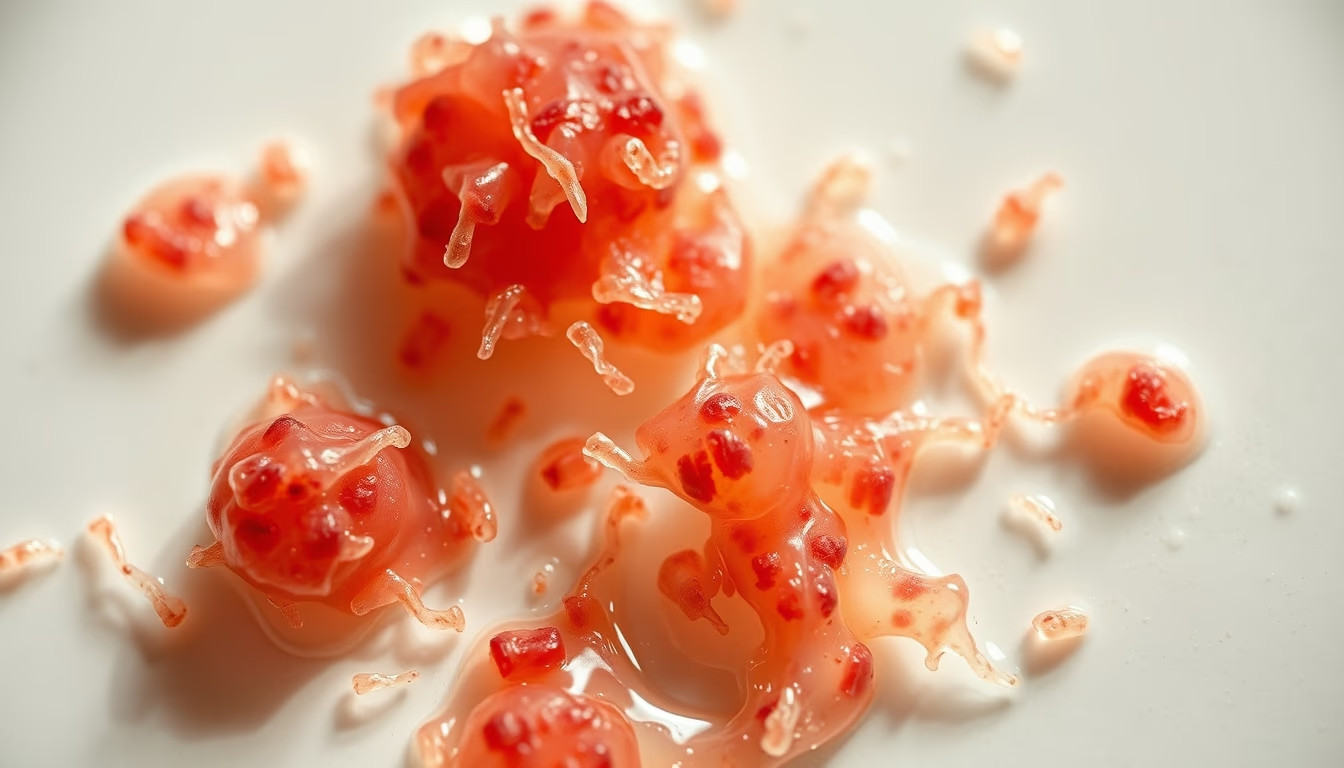
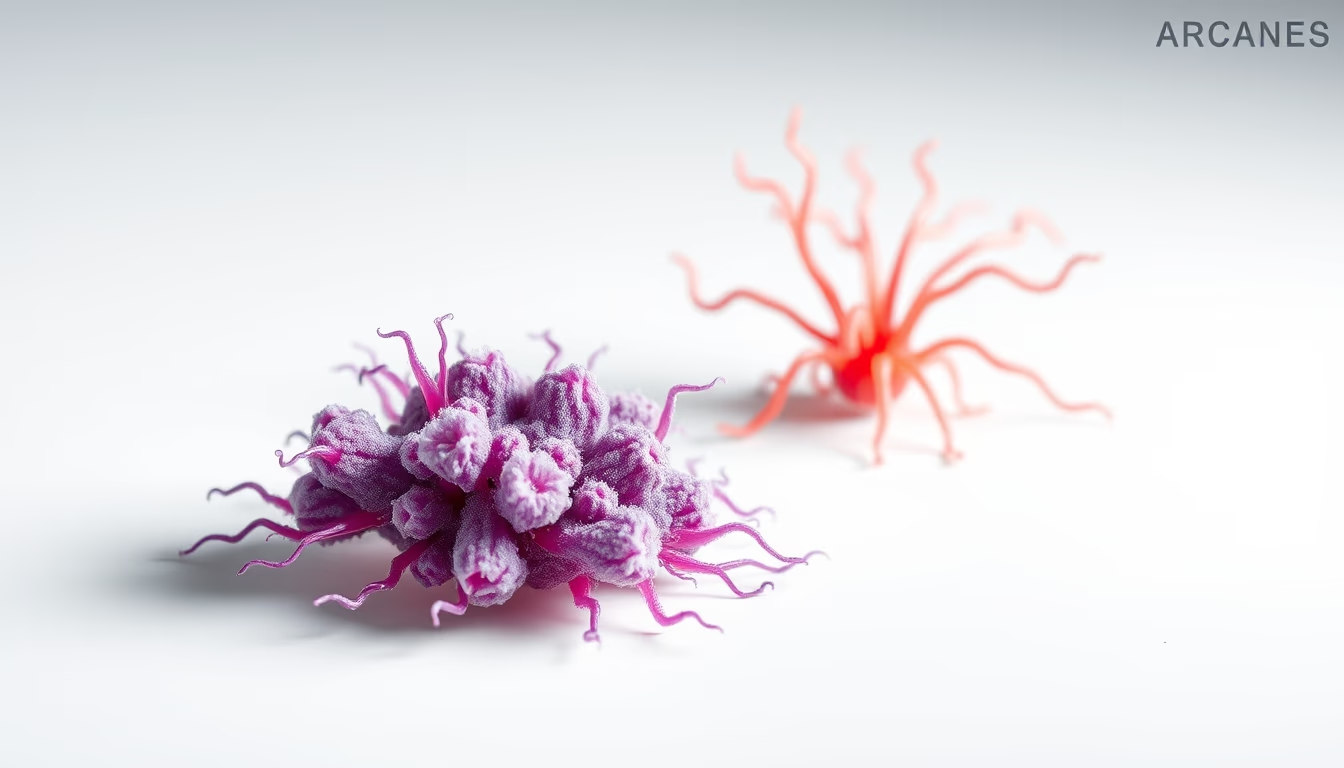
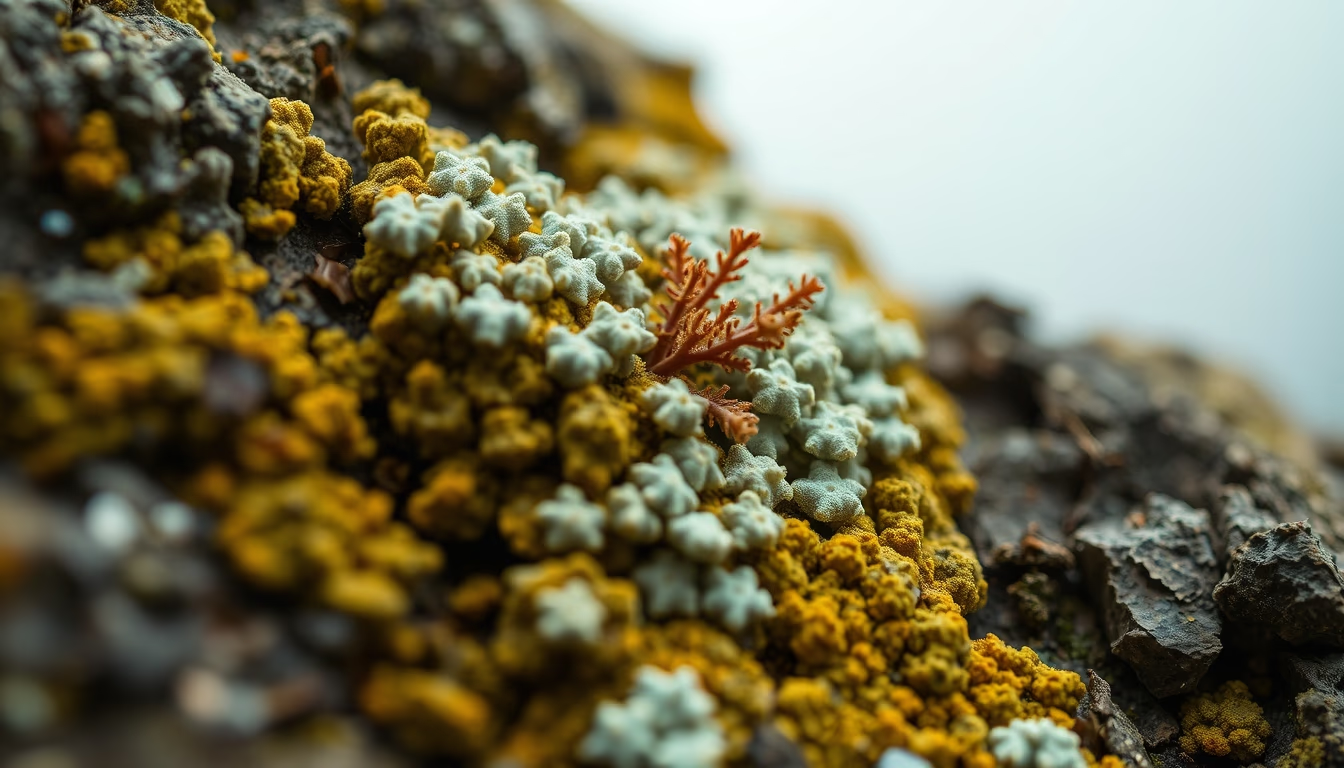
Fungi mycelium network
1344×768 · AVIF · CC BY 4.0
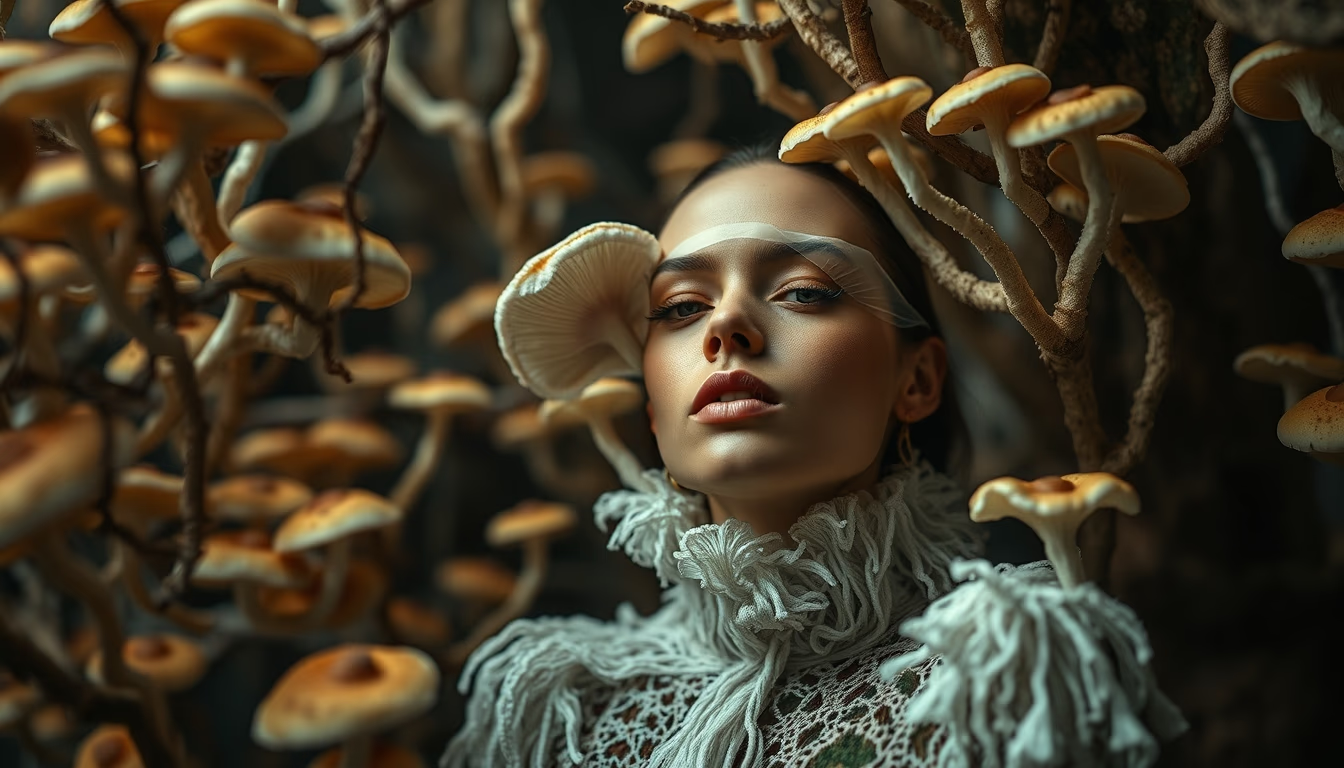
Fungal mycelium networks connect plant roots, recycle nutrients, and inspire sustainable innovations in fashion and technology.
About this subject
Mycelium is the vegetative part of fungi, consisting of a network of fine white filaments called hyphae. These networks can span vast areas, connecting tree roots and plants in a symbiotic relationship known as mycorrhiza. Through this connection, fungi exchange nutrients like phosphorus and nitrogen for carbohydrates produced by photosynthesis. This process is crucial for forest health and ecosystem resilience.
Beyond ecology, mycelium has attracted scientific and industrial interest. It can break down pollutants and even plastics. In agriculture, mycorrhizal fungi are used as biofertilizers, reducing the need for chemical inputs. Research also suggests that mycelium may enable plant-to-plant communication, transmitting defense signals against pests.
In the fashion industry, mycelium has emerged as a sustainable alternative to animal and synthetic leather. Companies like Mylo and Ecovative produce mycelium-based materials grown in labs with low environmental impact. These biomaterials are biodegradable and can be dyed and textured to mimic various fabrics. High fashion has embraced these innovations, blending biotechnology with design.
A fascinating fact: the largest living organism on Earth is a mycelium fungus in Oregon's Malheur National Forest, estimated to be around 2,400 years old and covering 8.9 square kilometers. This superorganism, Armillaria ostoyae, showcases the immense scale mycelium can achieve. Despite being inconspicuous, mycelium is fundamental to life on Earth.
Frequently Asked Questions
What is fungal mycelium?
Mycelium is the vegetative part of fungi, consisting of a network of fine hyphae. It grows in soil or on organic matter, absorbing nutrients and connecting with plant roots.
How does mycelium benefit the environment?
Mycelium decomposes organic matter, recycling nutrients in the soil. Through mycorrhizal symbiosis, it helps plants absorb water and minerals, facilitates tree communication, and enhances resistance to pests.
Why is mycelium used in sustainable fashion?
Mycelium can be lab-grown into a leather-like material with low environmental impact, animal-free and biodegradable. It is lightweight, durable, and can be dyed and textured, making it popular in high-fashion collections.
Direct URL
https://pub-c7d6a6ea828543ac903a74a341ccb2e1.r2.dev/imagens/fungi-mycelium-network-high-fashion-editorial-fresh16.avifHow to credit
Include a visible link back to UtilizAí. Copy one of the snippets below:
<a href="https://xn--utiliza-eza.com/en/midia/imagens/fungi-mycelium-network-high-fashion-editorial-fresh16">Fungi mycelium network</a> by <a href="https://xn--utiliza-eza.com">UtilizAí</a>, licensed under <a href="https://creativecommons.org/licenses/by/4.0/">CC BY 4.0</a>.
[Fungi mycelium network](https://xn--utiliza-eza.com/en/midia/imagens/fungi-mycelium-network-high-fashion-editorial-fresh16) by [UtilizAí](https://xn--utiliza-eza.com), CC BY 4.0
License: CC-BY-4.0