Fungi mycelium network
1344×768 · AVIF · CC BY 4.0
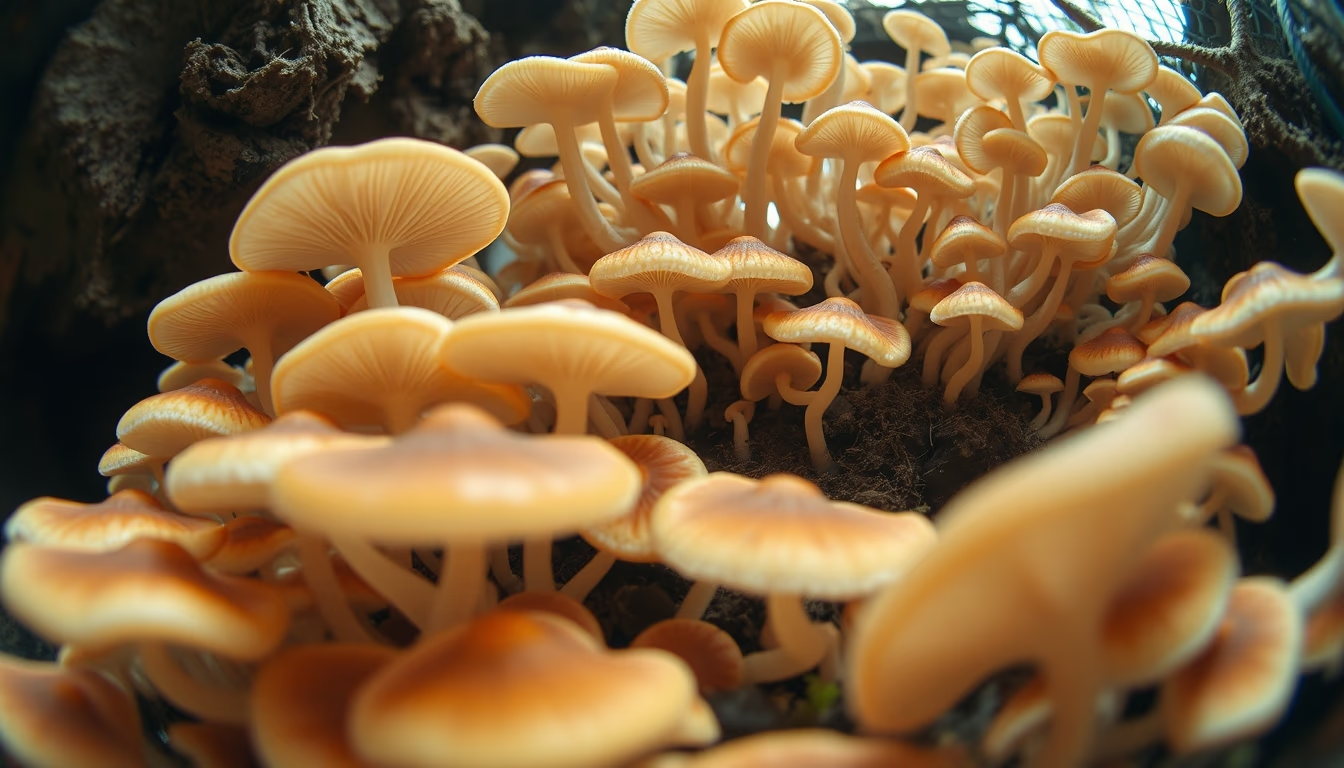
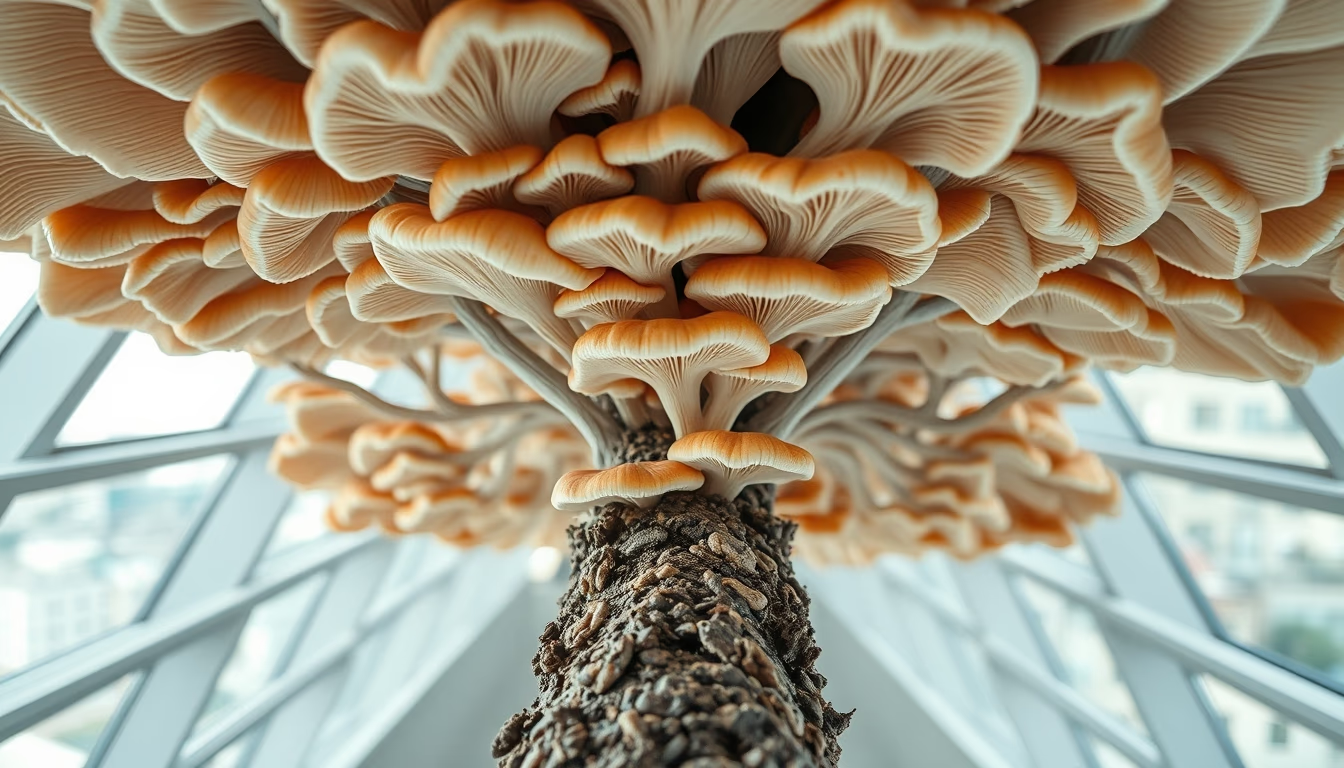
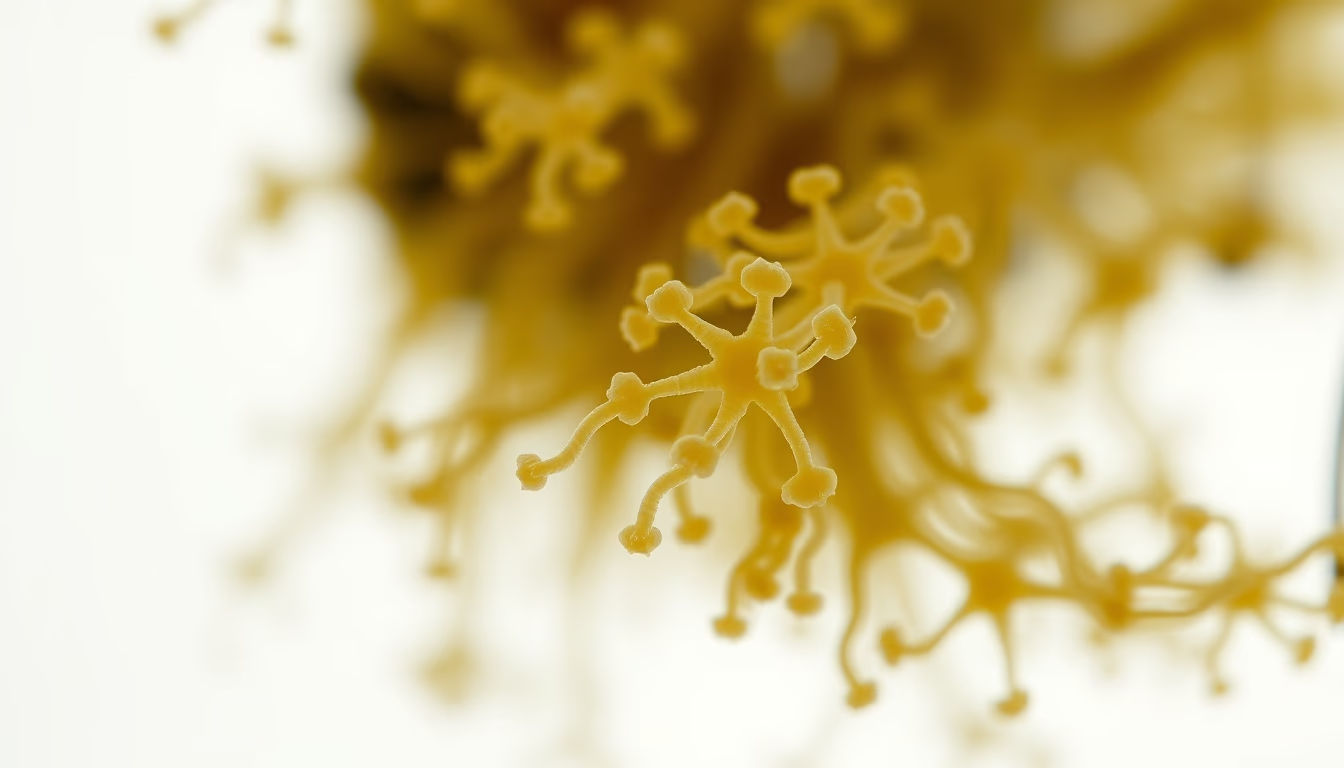
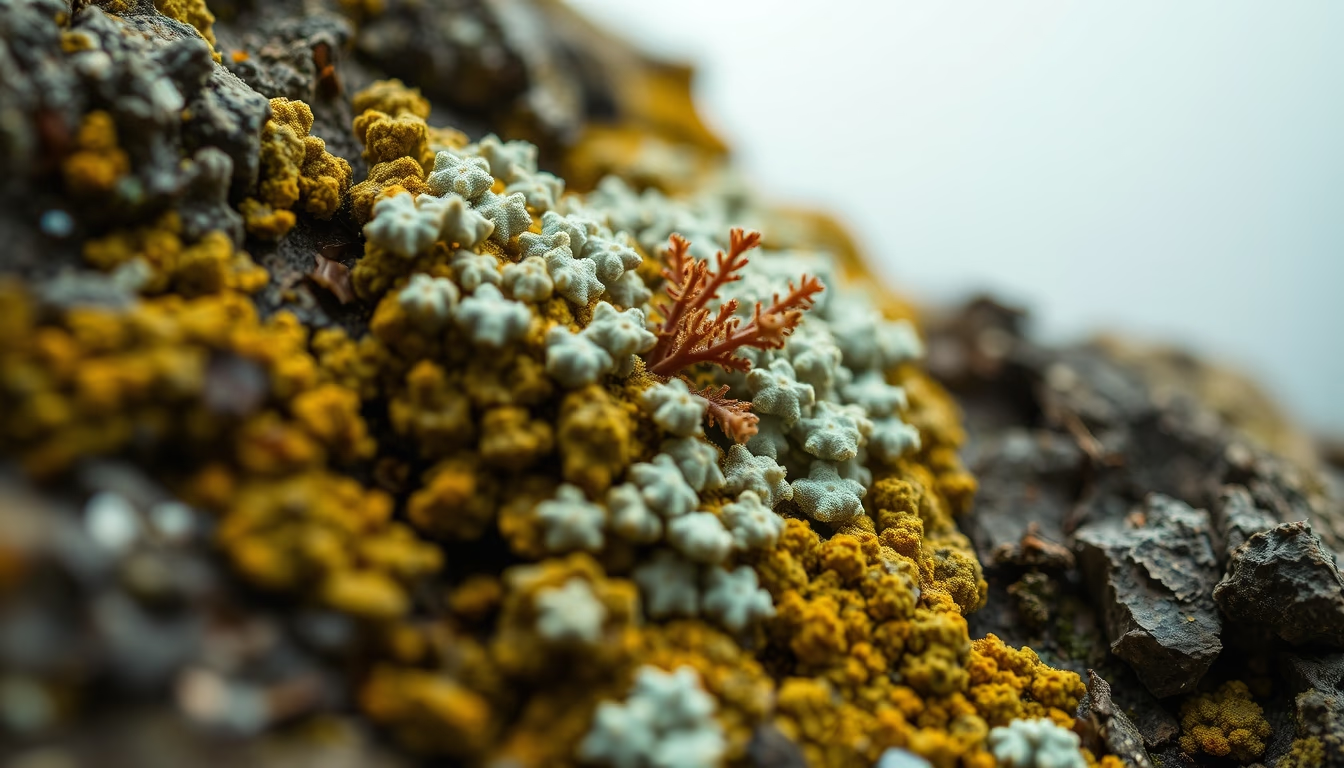
The fungal mycelium network is an underground web of filaments that connects plants, exchanges nutrients, and sustains entire ecosystems.
About this subject
Mycelium is the vegetative part of fungi, composed of a vast network of filaments called hyphae. This underground structure can stretch for kilometers, forming what many scientists call the "Wood Wide Web" or "Nature's Internet." Through mycelium, fungi establish symbiotic relationships with the roots of about 90% of terrestrial plants, creating mycorrhizae. In this partnership, plants supply carbon in the form of sugars to the fungi, while fungi help absorb water and essential minerals like phosphorus and nitrogen, crucial for plant growth.
Beyond nutrient exchange, mycelium enables communication between distant plants. Chemical signals about pest attacks or water stress can travel through the network, alerting neighboring plants to activate their defenses. This phenomenon has been documented in temperate and tropical forests, including the Atlantic Forest and the Amazon, where mycorrhizal fungi are abundant. It is estimated that there are over 50,000 species of mycorrhizal fungi worldwide.
Practical applications of mycelium knowledge are expanding. In sustainable agriculture, mycorrhizal inoculants reduce the need for chemical fertilizers. In biotechnology, mycelia are used to produce enzymes, antibiotics (such as penicillin, derived from the fungus Penicillium), and biodegradable materials like mushroom-based packaging and leather. Fungi also play a crucial role in decomposing organic matter, recycling nutrients in the soil.
Interestingly, the largest living organisms on Earth are mycelial networks. One example is Armillaria ostoyae in Oregon, USA, whose mycelium covers about 9 km² and is estimated to be 2,400 to 8,650 years old. In Brazil, the Cerrado and Caatinga biomes host several species of mycorrhizal fungi adapted to dry and acidic conditions. The complexity and ecological importance of mycelium continue to be subjects of intensive scientific research.
Frequently Asked Questions
What is mycelium and what is its main function in ecosystems?
Mycelium is the vegetative part of fungi, consisting of a network of hyphae that grow through soil. Its main function is to absorb nutrients and water, form symbiotic relationships with plants (mycorrhizae), and decompose organic matter, recycling nutrients.
How does mycelium help plants communicate?
Through the mycelial network, plants can exchange chemical signals. When one plant is attacked by pests, it releases compounds that travel via mycelium to alert neighboring plants, triggering their defense mechanisms.
Are there practical uses of mycelium in industry or agriculture?
Yes. In agriculture, mycorrhizal inoculants improve nutrient uptake, reducing fertilizer use. In biotechnology, mycelium is used to produce antibiotics, enzymes, biodegradable packaging, and even synthetic leather.
Direct URL
https://pub-c7d6a6ea828543ac903a74a341ccb2e1.r2.dev/imagens/fungi-mycelium-network-fish-eye-wide-angle-fresh3.avifHow to credit
Include a visible link back to UtilizAí. Copy one of the snippets below:
<a href="https://xn--utiliza-eza.com/en/midia/imagens/fungi-mycelium-network-fish-eye-wide-angle-fresh3">Fungi mycelium network</a> by <a href="https://xn--utiliza-eza.com">UtilizAí</a>, licensed under <a href="https://creativecommons.org/licenses/by/4.0/">CC BY 4.0</a>.
[Fungi mycelium network](https://xn--utiliza-eza.com/en/midia/imagens/fungi-mycelium-network-fish-eye-wide-angle-fresh3) by [UtilizAí](https://xn--utiliza-eza.com), CC BY 4.0
License: CC-BY-4.0