Fungi mycelium network
1344×768 · AVIF · CC BY 4.0
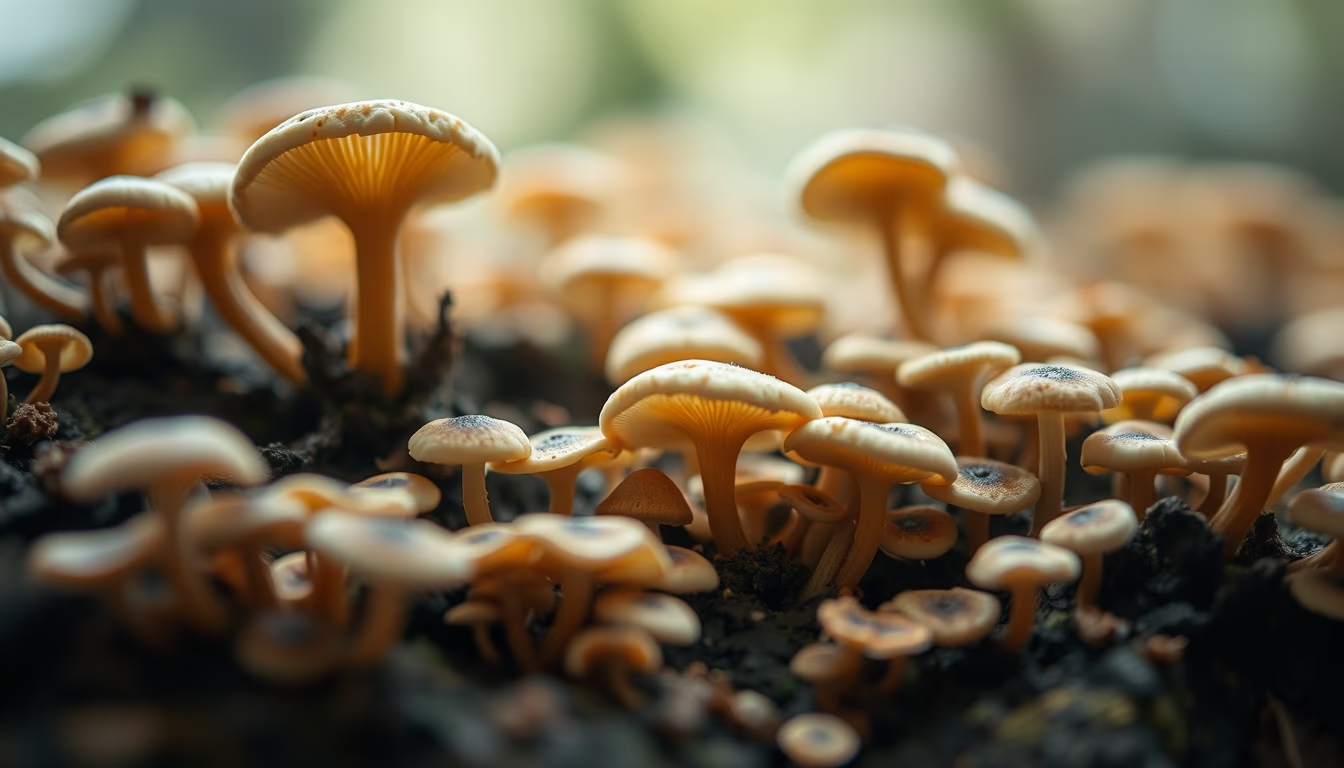
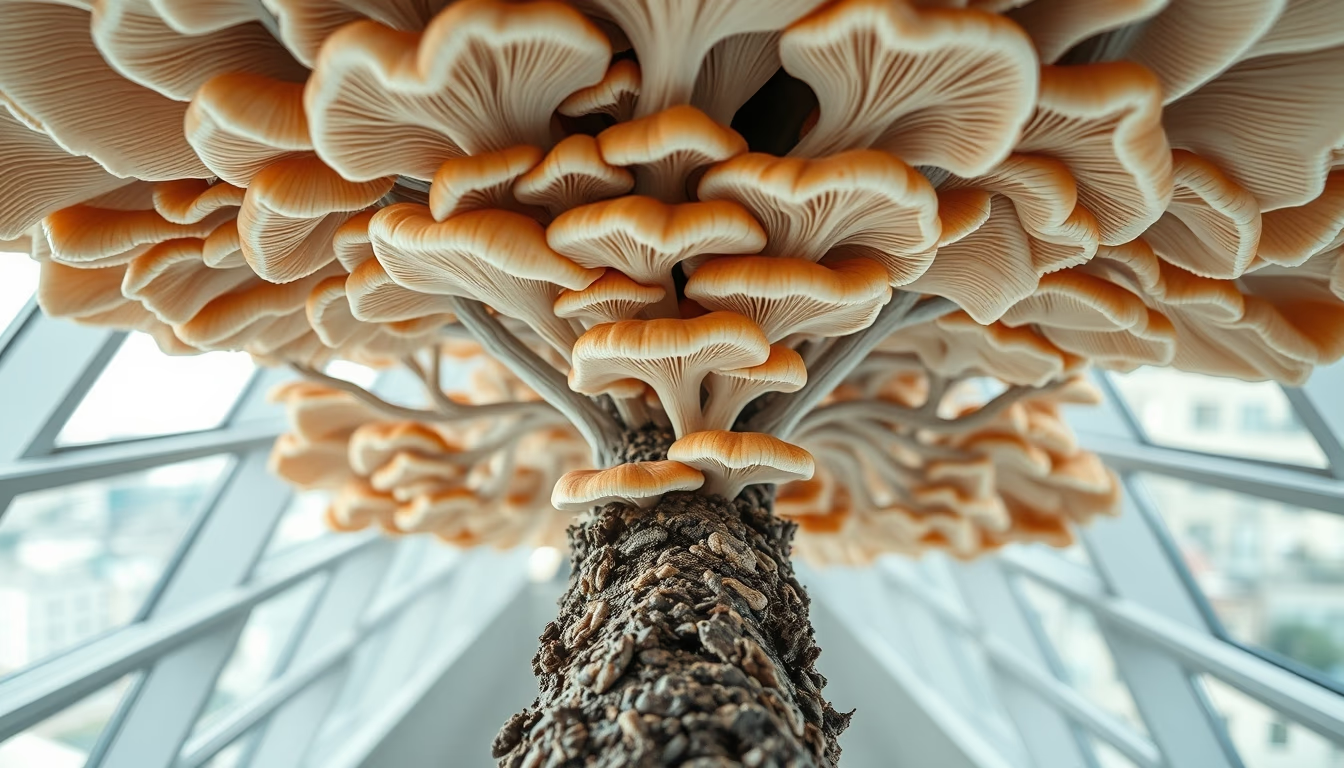
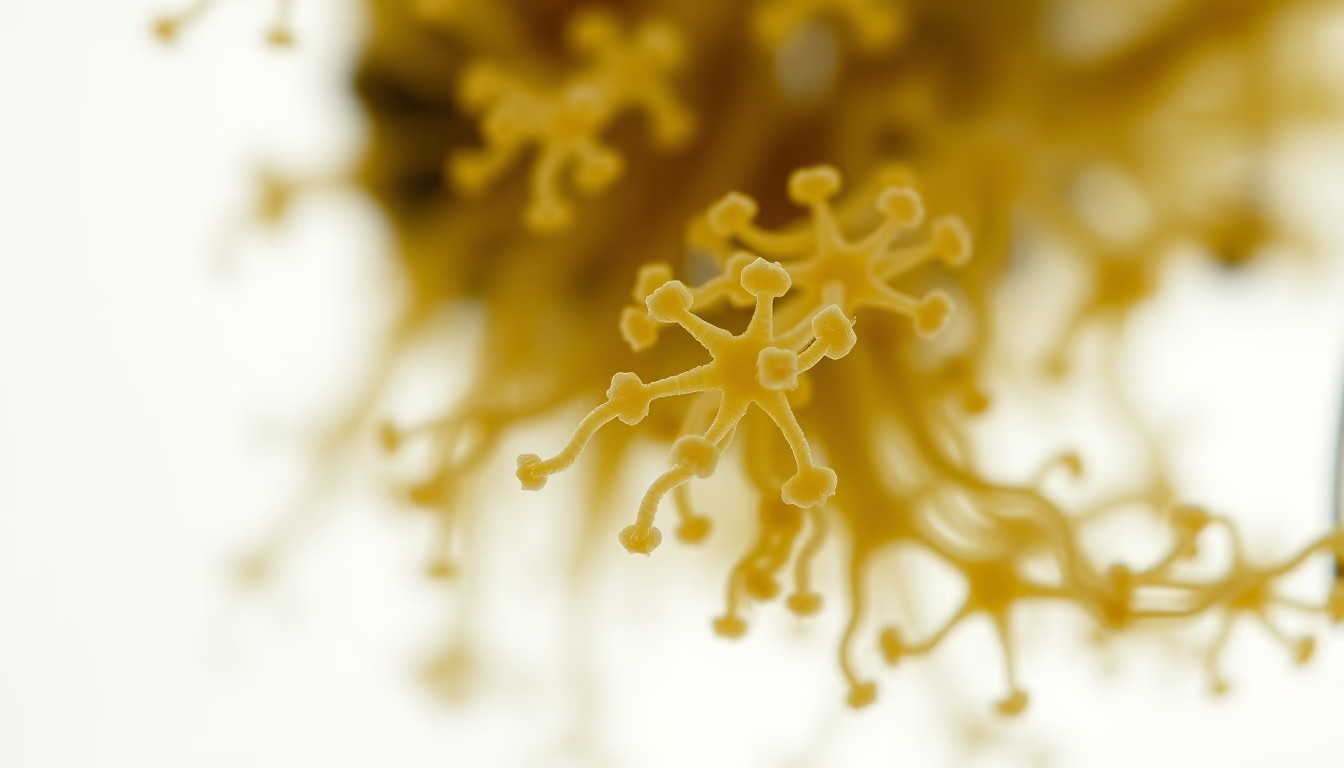
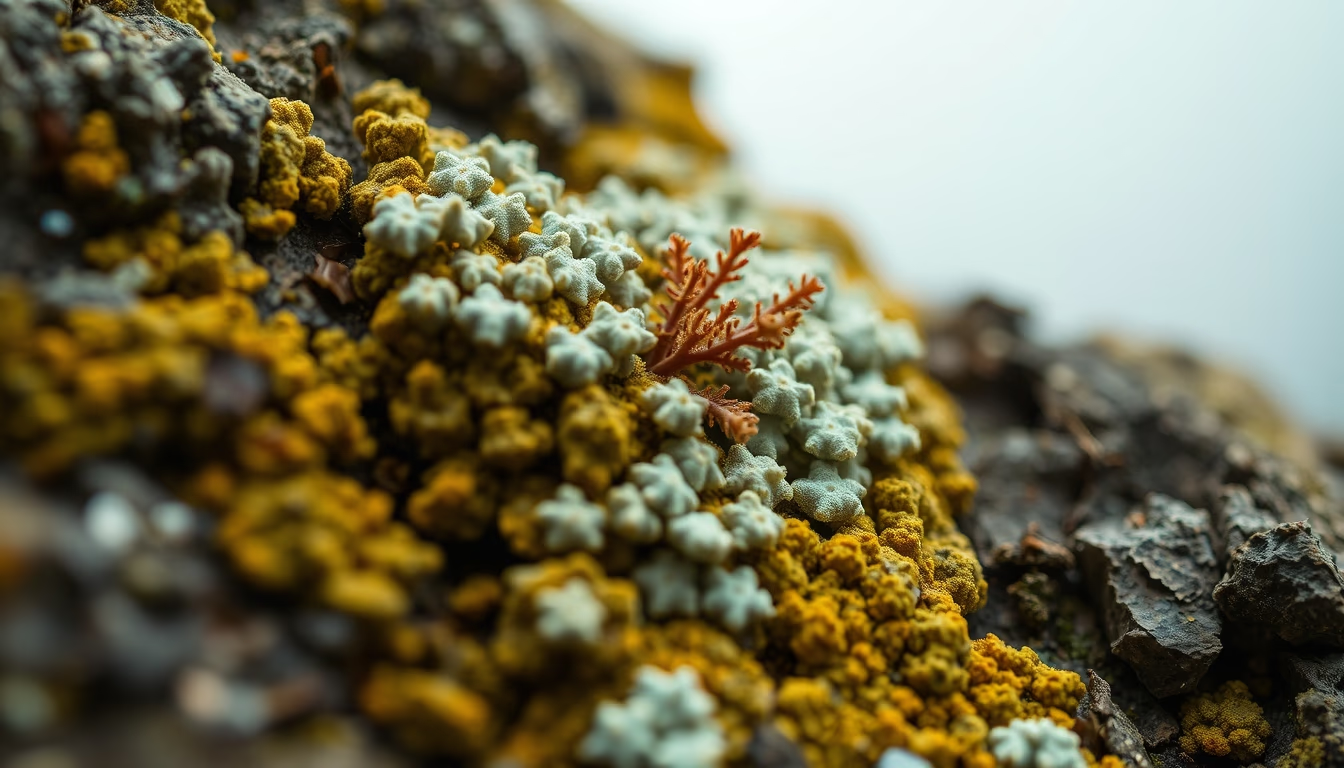
The mycelium network of fungi is an underground system of hyphae connecting plants and recycling nutrients, essential for global ecosystems.
About this subject
Mycelium is the vegetative part of fungi, composed of an intricate network of hyphae, microscopic filaments that branch through soil or other substrates. Unlike mushrooms, which are only temporary fruiting bodies, mycelium is a persistent and often enormous structure. The largest known living organism on Earth is a mycelium of the fungus Armillaria ostoyae in Malheur National Forest, Oregon, covering about 8.9 km² and estimated to be 2,400 years old.
Ecologically, mycelium plays fundamental roles: it decomposes organic matter, releasing nutrients into the soil, and forms symbiotic associations with plant roots, called mycorrhizae. Through these networks, fungi and plants exchange carbon, phosphorus, and nitrogen. Recent studies show that these networks can connect multiple plants, even enabling communication between trees of the same species via chemical signals, a phenomenon dubbed the 'Wood Wide Web'.
Human applications of mycelium have grown. Companies produce biodegradable packaging, synthetic leather, and bricks made from mycelium, which are compostable and durable. In bioremediation, mycelium is used to break down pollutants such as hydrocarbons and heavy metals. Culturally, mycelium is central in indigenous traditions for medicinal and food purposes, especially wild mushroom harvesting. Scientific research on mycelial networks continues to reveal complexities that challenge our understanding of communication and cooperation among organisms.
Frequently Asked Questions
Can mycelium be seen with the naked eye?
Yes, when it forms large masses in soil or on rotting logs. However, individual hyphae are microscopic, with diameters of 1 to 30 micrometers.
How does mycelium connect with plants?
Through mycorrhizae, symbiotic associations between hyphae and plant roots. The fungus supplies water and minerals, receiving carbohydrates produced by photosynthesis.
What is the ecological importance of the mycelium network?
It is crucial for decomposing organic matter, nutrient cycling, and maintaining soil health. It also enables communication between plants and resource transfer among trees.
Direct URL
https://pub-c7d6a6ea828543ac903a74a341ccb2e1.r2.dev/imagens/fungi-mycelium-network-documentary-photography-fresh6.avifHow to credit
Include a visible link back to UtilizAí. Copy one of the snippets below:
<a href="https://xn--utiliza-eza.com/en/midia/imagens/fungi-mycelium-network-documentary-photography-fresh6">Fungi mycelium network</a> by <a href="https://xn--utiliza-eza.com">UtilizAí</a>, licensed under <a href="https://creativecommons.org/licenses/by/4.0/">CC BY 4.0</a>.
[Fungi mycelium network](https://xn--utiliza-eza.com/en/midia/imagens/fungi-mycelium-network-documentary-photography-fresh6) by [UtilizAí](https://xn--utiliza-eza.com), CC BY 4.0
License: CC-BY-4.0