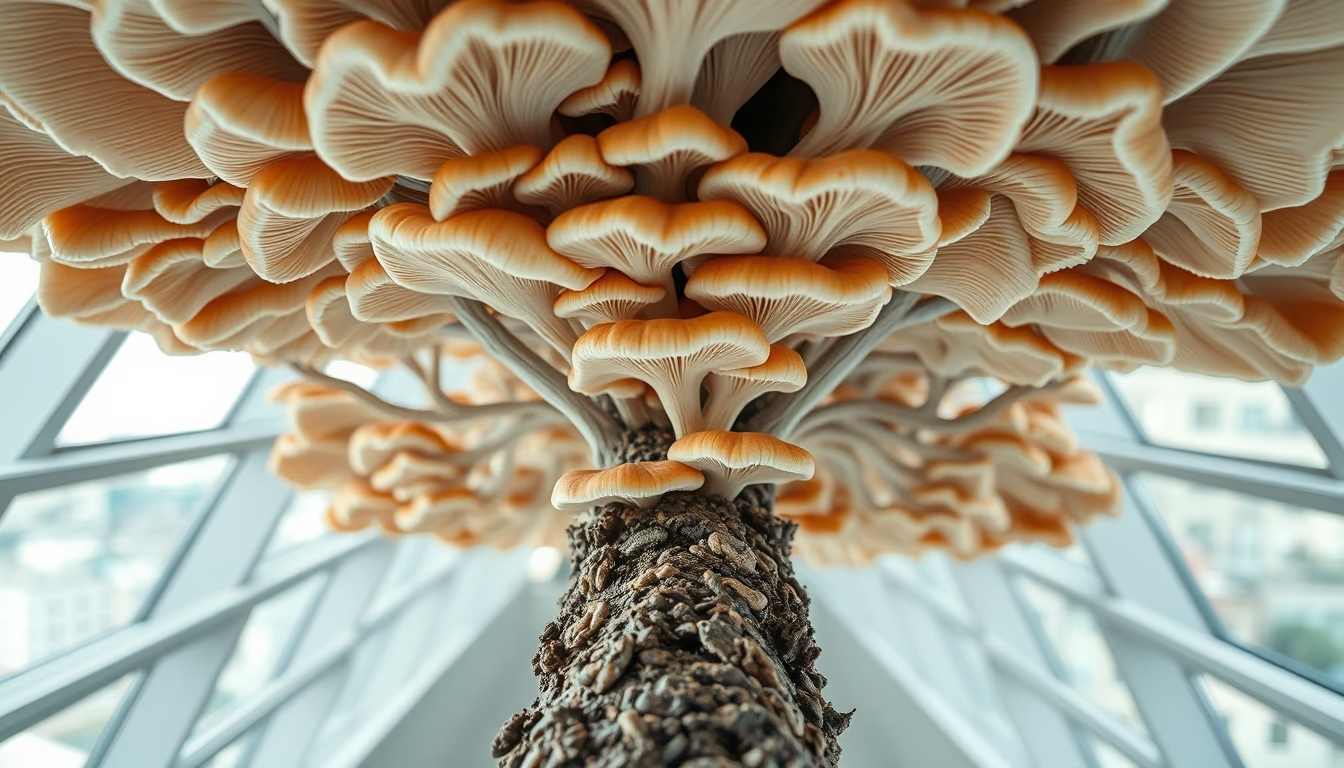
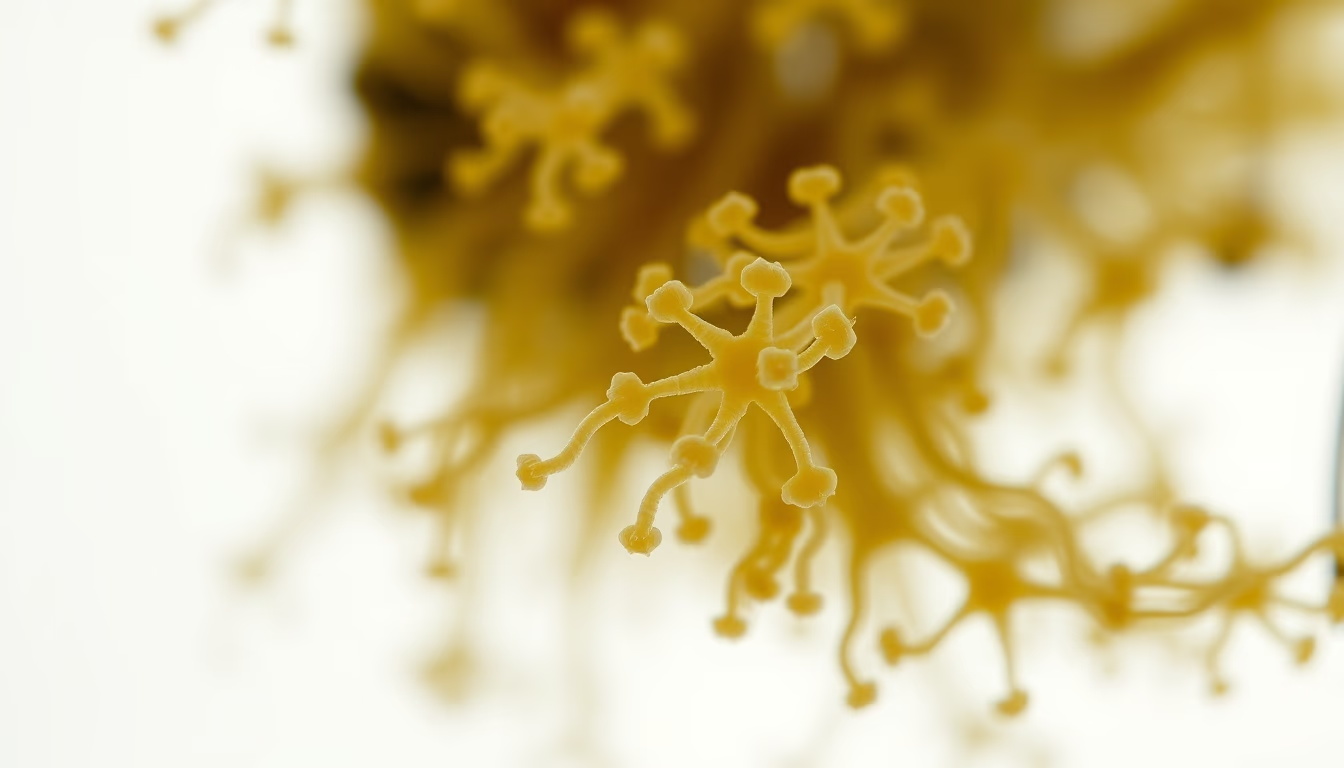
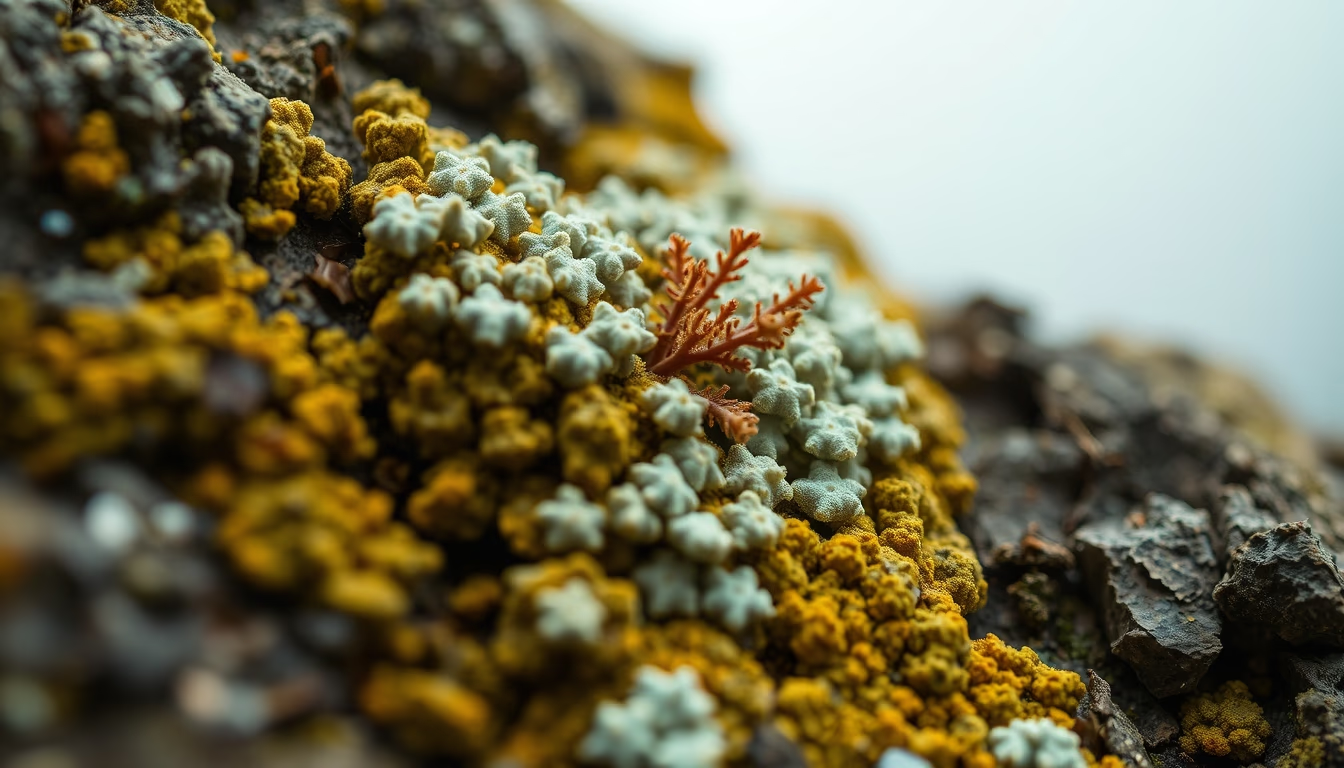
Fungi mycelium network
1344×768 · AVIF · CC BY 4.0
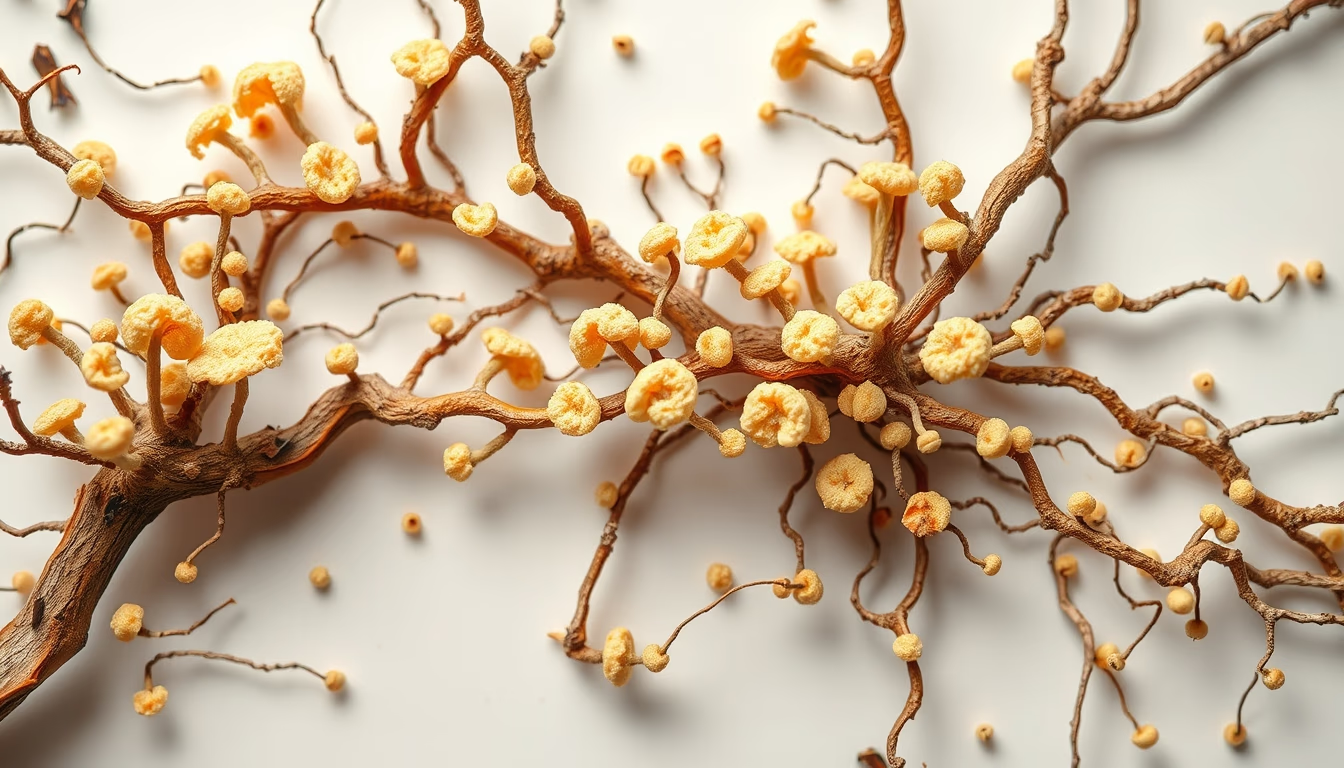
Mycelium is the network of filaments that forms the vegetative body of fungi, essential for decomposing organic matter and nutrient cycling in ecosystems.
About this subject
Mycelium is a filamentous structure composed of hyphae, microscopic tubes that branch out and form a vast underground network. This network is the main body of fungi, responsible for absorbing nutrients from the environment. Unlike mushrooms, which are visible fruiting bodies, mycelium remains hidden in soil or within organic substrates.
Ecologically, mycelium plays a critical role in decomposing organic matter, recycling carbon, nitrogen, and other essential elements. It also forms symbiotic associations with the roots of about 90% of terrestrial plants, known as mycorrhizae. In this relationship, the fungus supplies water and minerals to the plant in exchange for carbohydrates, enhancing resistance to environmental stresses.
Modern biotechnology exploits mycelium to create sustainable and functional materials. Companies use mycelium to produce biodegradable packaging, vegan leather (such as Mylo), bricks, and thermal insulation. These materials are grown in molds with agricultural substrates like sawdust or rice hulls, then treated for durability. Mycelium is also used in bioremediation of soils contaminated with heavy metals and petroleum derivatives.
Remarkably, the largest living organism on Earth is a mycelium of Armillaria ostoyae in Oregon, covering about 10 km² and thousands of years old. Mycelial networks also communicate electrochemically, transmitting signals between plants, leading to the concept of the "Wood Wide Web." Research explores its use in biological computing, where growth patterns solve optimization problems.
Frequently Asked Questions
How does mycelium reproduce?
Mycelium reproduces asexually by fragmentation or hyphal growth, and sexually when two compatible mycelia fuse, forming a fruiting body (mushroom) that releases spores.
What is the difference between mycelium and a mushroom?
Mycelium is the vegetative body composed of hyphae, functioning like roots. A mushroom is the fruiting body, a reproductive structure that emerges to release spores.
Can mycelium be used as a building material?
Yes, mycelium combined with agricultural substrates forms lightweight, fire-resistant biocomposites used in bricks, panels, and insulation, serving as a sustainable alternative to synthetic materials.
Direct URL
https://pub-c7d6a6ea828543ac903a74a341ccb2e1.r2.dev/imagens/fungi-mycelium-network-commercial-product-photography-fresh14.avifHow to credit
Include a visible link back to UtilizAí. Copy one of the snippets below:
<a href="https://xn--utiliza-eza.com/en/midia/imagens/fungi-mycelium-network-commercial-product-photography-fresh14">Fungi mycelium network</a> by <a href="https://xn--utiliza-eza.com">UtilizAí</a>, licensed under <a href="https://creativecommons.org/licenses/by/4.0/">CC BY 4.0</a>.
[Fungi mycelium network](https://xn--utiliza-eza.com/en/midia/imagens/fungi-mycelium-network-commercial-product-photography-fresh14) by [UtilizAí](https://xn--utiliza-eza.com), CC BY 4.0
License: CC-BY-4.0