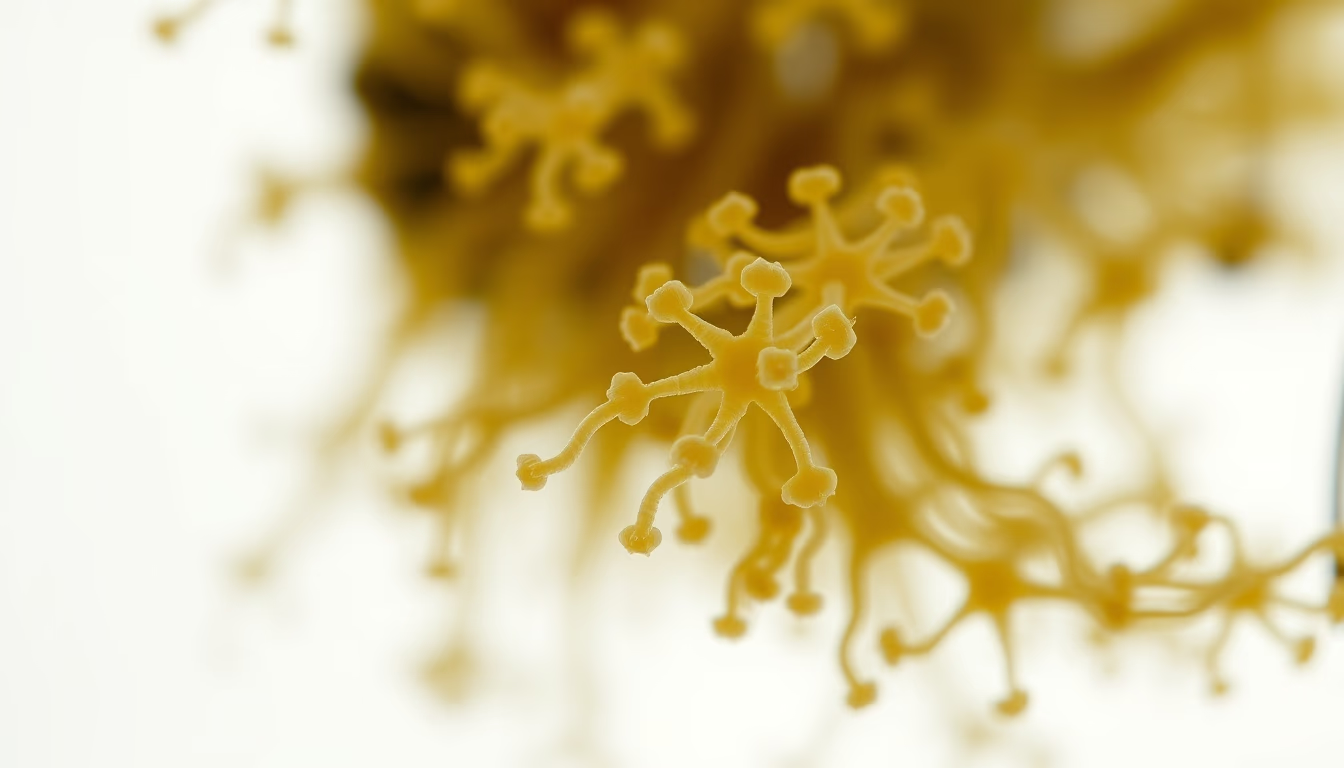
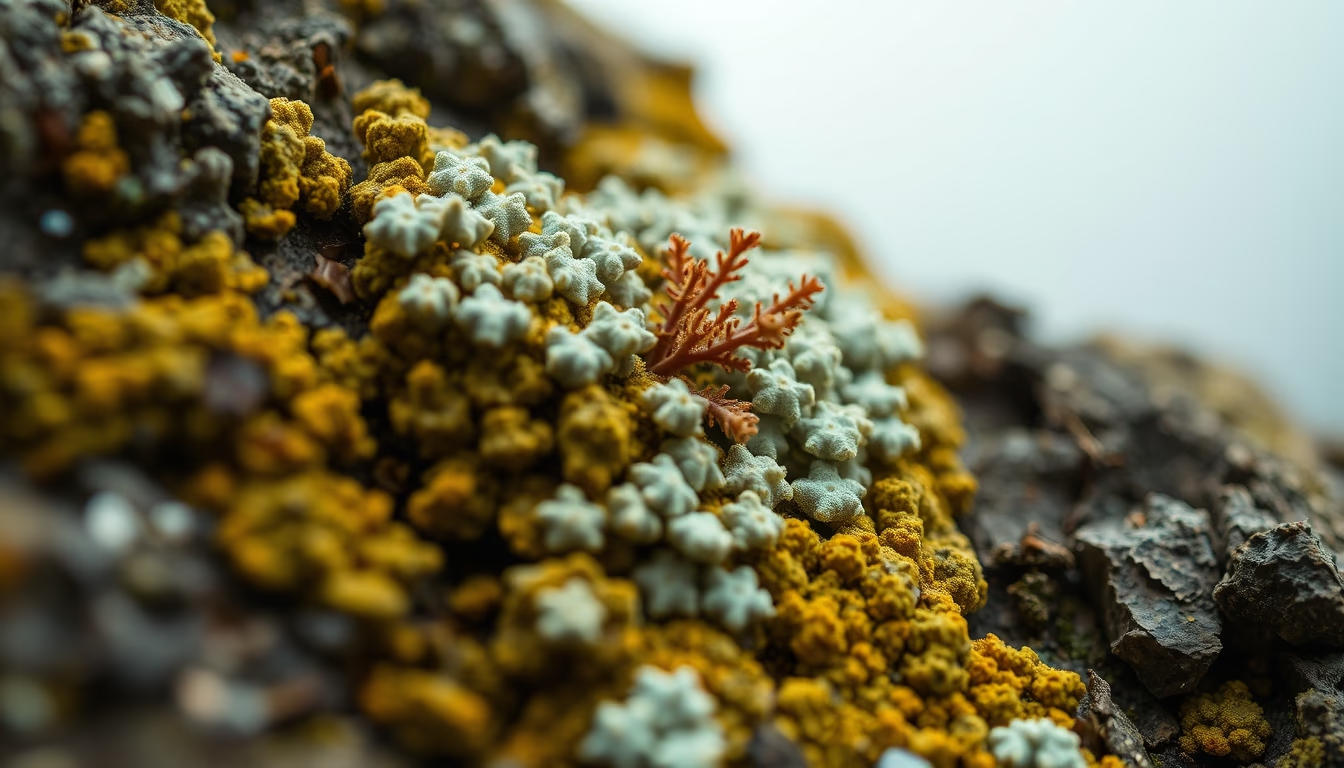
Fungi mycelium network
1344×768 · AVIF · CC BY 4.0
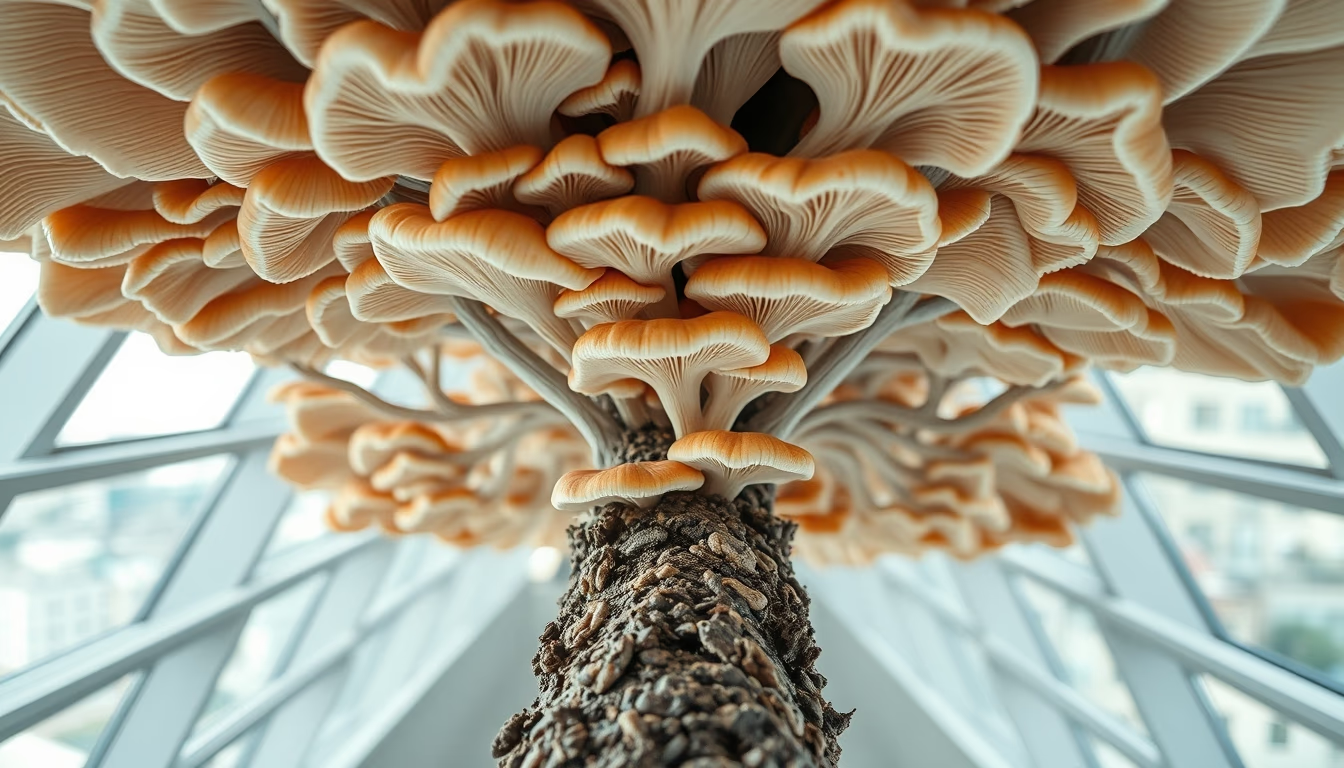
Fungal mycelium network, the underground 'wood wide web' that connects plant roots and transports nutrients.
About this subject
Mycelium is the vegetative part of fungi, composed of a vast network of filaments called hyphae. This underground structure can extend for kilometers, forming a complex web that connects the roots of different plants. Through symbiotic interactions known as mycorrhizae, fungi exchange mineral nutrients and water for carbohydrates produced by photosynthesis. This exchange is fundamental to forest health, as it allows neighboring trees to share resources and even communicate via chemical signals, warning each other about pests or environmental stress.
In addition to its ecological function, mycelium plays a crucial role in carbon cycling. It is estimated that fungi store large amounts of carbon in the soil, contributing to climate change mitigation. In healthy soils, mycelium also improves soil structure, increases water retention, and promotes the degradation of organic pollutants, a process called bioremediation. Recently, scientists have explored the use of mycelium as a sustainable material for packaging, bricks, and even furniture, due to its strength and biodegradability.
Interestingly, the largest known mycelium network is in Oregon, USA, belonging to a fungus of the species Armillaria ostoyae, covering about 9.6 km² and thousands of years old. This discovery highlights the longevity and scale of mycelial networks. In Brazil, mycorrhizal fungi are studied in ecosystems such as the Atlantic Forest and the Cerrado, where their diversity is immense. Understanding these networks is essential for conservation and for developing more sustainable agricultural practices.
Frequently Asked Questions
What is fungal mycelium?
Mycelium is the vegetative part of fungi, composed of a network of filaments called hyphae. It grows in soil or organic matter, absorbing nutrients and performing essential ecological functions.
How does mycelium connect to plants?
Mycelium forms symbiotic associations with plant roots, known as mycorrhizae. In these relationships, fungi supply water and mineral nutrients in exchange for carbohydrates produced by the plant.
Why is mycelium important for the environment?
Mycelium improves soil structure, sequesters carbon, promotes nutrient cycling, and aids in bioremediation of pollutants. It also enables communication between plants via the underground network.
Direct URL
https://pub-c7d6a6ea828543ac903a74a341ccb2e1.r2.dev/imagens/fungi-mycelium-network-architectural-photography-fresh17.avifHow to credit
Include a visible link back to UtilizAí. Copy one of the snippets below:
<a href="https://xn--utiliza-eza.com/en/midia/imagens/fungi-mycelium-network-architectural-photography-fresh17">Fungi mycelium network</a> by <a href="https://xn--utiliza-eza.com">UtilizAí</a>, licensed under <a href="https://creativecommons.org/licenses/by/4.0/">CC BY 4.0</a>.
[Fungi mycelium network](https://xn--utiliza-eza.com/en/midia/imagens/fungi-mycelium-network-architectural-photography-fresh17) by [UtilizAí](https://xn--utiliza-eza.com), CC BY 4.0
License: CC-BY-4.0