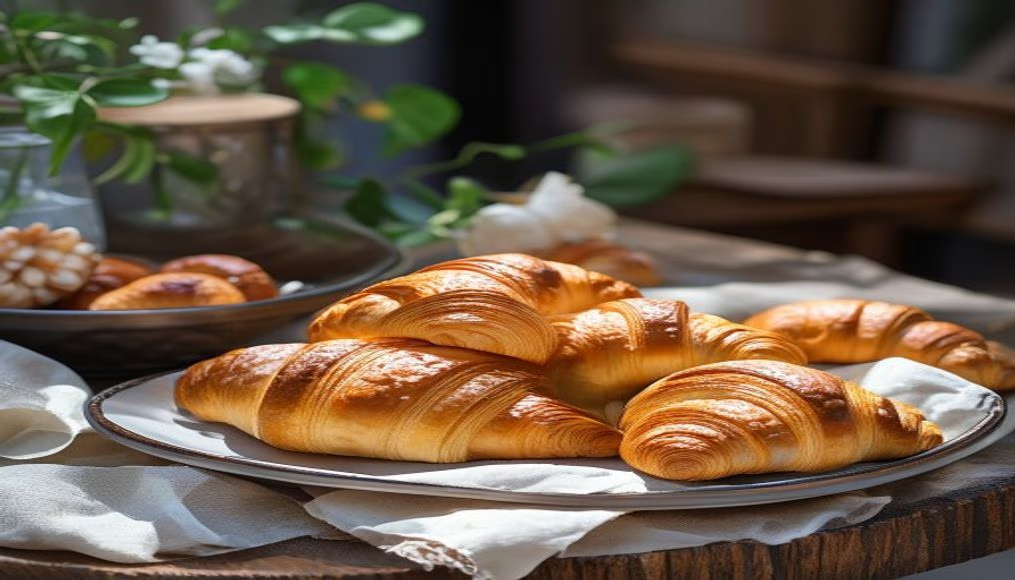
Fresh croissants on linen
1344×768 · AVIF · CC BY 4.0
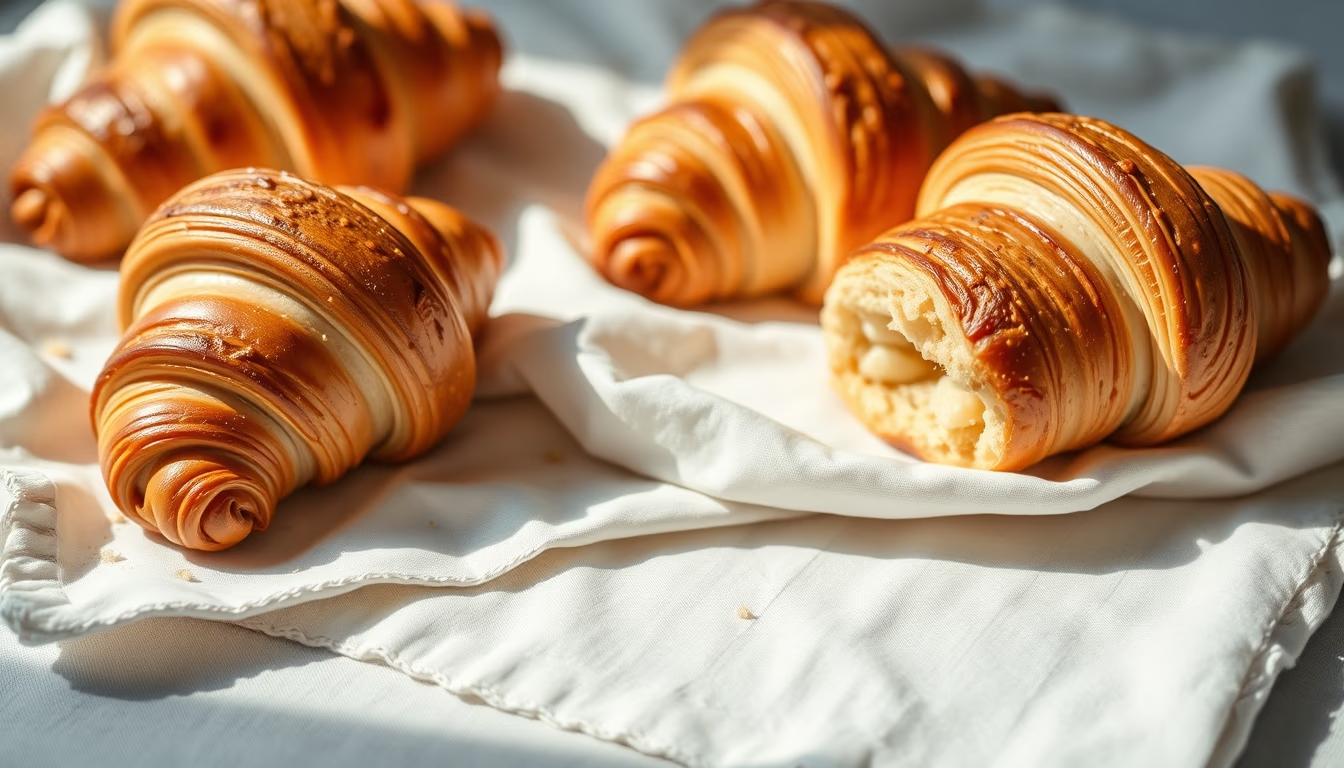
Fresh croissants on linen: a classic French bakery item that conquered the world with its flaky texture and buttery flavor.
About this subject
The croissant is one of the most iconic symbols of French cuisine, although its origin is Austrian. The modern version, made with laminated dough and butter, was perfected in Paris in the 19th century. The lamination technique, which involves repeatedly folding and rolling the dough with butter, creates thin layers that separate during baking, resulting in a crispy exterior and soft interior. The process is labor-intensive: the dough must rest between folds to prevent the butter from melting, and the oven must be at the exact temperature for steam to expand the layers.
In a traditional French breakfast, the croissant is served plain or with jam, butter, or chocolate. The chocolate-filled version is called pain au chocolat, though outside France many people confuse the two. Despite its association with France, the croissant has become popular worldwide, especially in the United States and Brazil, where it is commonly found in bakeries and coffee shops. It is estimated that the French consume about 1.5 billion croissants per year, most of which are industrially produced.
The presentation on linen refers to the tradition of artisan bakeries, where breads are displayed in baskets lined with cloth to maintain moisture and crust. Linen is a natural material that allows the dough to breathe, preventing the croissant from becoming soggy. This practice also evokes the rustic and welcoming aesthetic of Parisian boulangeries, where the quality of ingredients and care in preparation are valued. The image suggests a moment of morning indulgence, with the buttery aroma and the promise of a texture that melts in the mouth.
Frequently Asked Questions
What is the difference between a croissant and a pain au chocolat?
A croissant is made from laminated buttery dough and shaped like a crescent. Pain au chocolat uses the same dough but is rectangular and filled with chocolate bars.
Why are croissants served on linen?
Linen helps absorb excess moisture and keeps the crust crispy. It is also a traditional aesthetic in French artisan bakeries.
Is a croissant healthy?
Croissants are high in butter and carbohydrates, making them calorie-dense. Whole-grain or lower-fat versions exist, but the traditional one is not considered a healthy daily food.
Direct URL
https://pub-c7d6a6ea828543ac903a74a341ccb2e1.r2.dev/imagens/fresh-croissants-on-linen-magazine-editorial.avifHow to credit
Include a visible link back to UtilizAí. Copy one of the snippets below:
<a href="https://xn--utiliza-eza.com/en/midia/imagens/fresh-croissants-on-linen-magazine-editorial">Fresh croissants on linen</a> by <a href="https://xn--utiliza-eza.com">UtilizAí</a>, licensed under <a href="https://creativecommons.org/licenses/by/4.0/">CC BY 4.0</a>.
[Fresh croissants on linen](https://xn--utiliza-eza.com/en/midia/imagens/fresh-croissants-on-linen-magazine-editorial) by [UtilizAí](https://xn--utiliza-eza.com), CC BY 4.0
License: CC-BY-4.0