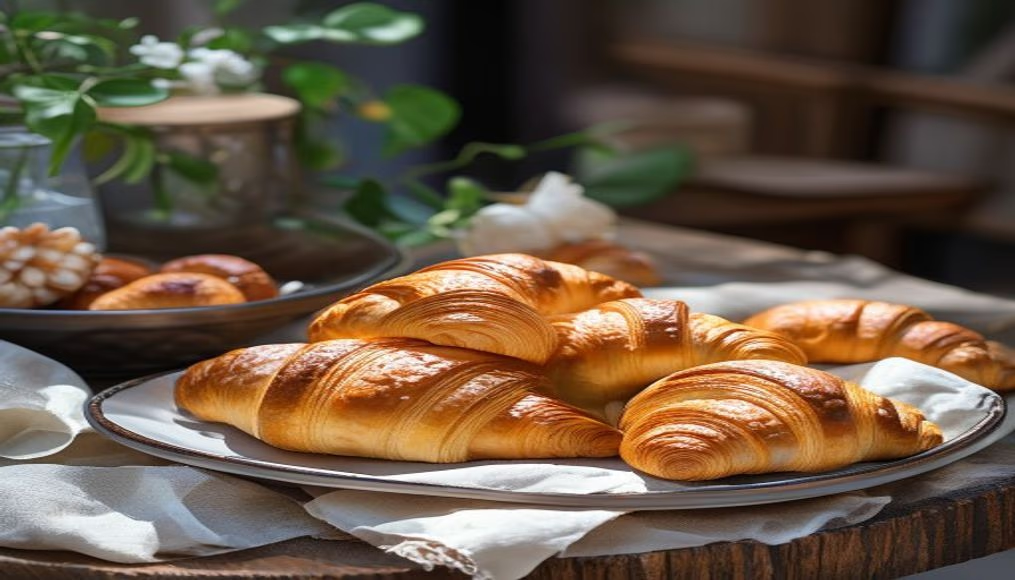
Fresh croissants on linen
1344×768 · AVIF · CC BY 4.0
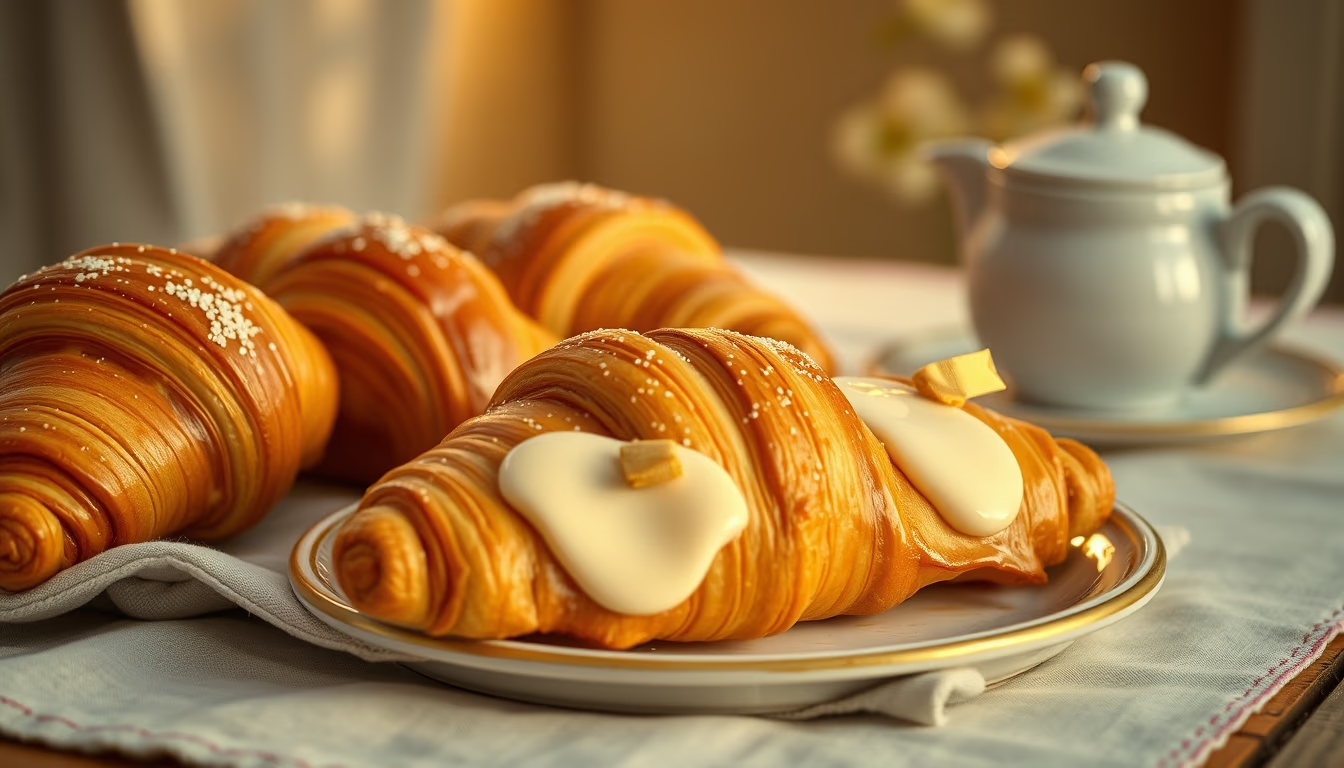
Fresh croissants on linen, with golden crust and flaky texture, symbolizing French artisan baking.
About this subject
Croissants are one of the most recognizable icons of French pastry, originating from Austria but perfected in France from the 19th century onward. The laminated dough, made with alternating layers of butter and dough, is folded and rolled dozens of times to create a light, airy texture. The slow fermentation process takes 24 to 48 hours, resulting in a complex flavor and a crispy crust.
Traditionally, croissants are eaten for breakfast or brunch, accompanied by coffee or hot chocolate. In France, the sale of artisanal croissants is protected by laws that require pure butter (beurre) and prohibit vegetable fats. A Parisian bakery may sell up to 500 croissants per day, and annual consumption in France is about 1.5 billion units.
The image of croissants on linen evokes the rustic yet elegant aesthetic of traditional boulangeries. Linen, a natural fabric, is often used in bread baskets to maintain ideal humidity and temperature. The photographic composition highlights the symmetry of the pastries and the golden color of the crust, resulting from butter caramelization during baking.
Trivia: the crescent shape of the croissant is not merely decorative; it facilitates even baking and references the crescent moon, a symbol adopted after the Austrian victory over the Ottomans at the Siege of Vienna (1683). However, the modern croissant was created in Paris in the early 20th century.
Frequently Asked Questions
What is the difference between an artisanal bakery croissant and an industrial one?
Artisanal croissants use pure butter, slow fermentation, and hand-laminated dough, resulting in a flaky texture and rich flavor. Industrial ones often use margarine or vegetable fats, rapid fermentation, and mechanical processes, leading to a denser texture and less flavor.
Why are croissants shaped like a crescent?
The crescent shape dates back to the Austrian victory over the Ottoman Empire in 1683, when Viennese bakers created a bread in the shape of the Ottoman crescent moon to celebrate. The tradition was brought to France and adapted into the modern croissant.
How to keep fresh croissants for longer?
To maintain texture, store them in an airtight container at room temperature for up to 2 days. To freeze, wrap them in plastic wrap and place in the freezer for up to 1 month. Reheat in a 180°C oven for 5 minutes to restore crispness.
Direct URL
https://pub-c7d6a6ea828543ac903a74a341ccb2e1.r2.dev/imagens/fresh-croissants-on-linen-cinematic-wide-shot-v2.avifHow to credit
Include a visible link back to UtilizAí. Copy one of the snippets below:
<a href="https://xn--utiliza-eza.com/en/midia/imagens/fresh-croissants-on-linen-cinematic-wide-shot-v2">Fresh croissants on linen</a> by <a href="https://xn--utiliza-eza.com">UtilizAí</a>, licensed under <a href="https://creativecommons.org/licenses/by/4.0/">CC BY 4.0</a>.
[Fresh croissants on linen](https://xn--utiliza-eza.com/en/midia/imagens/fresh-croissants-on-linen-cinematic-wide-shot-v2) by [UtilizAí](https://xn--utiliza-eza.com), CC BY 4.0
License: CC-BY-4.0