Forbidden city beijing
1344×768 · AVIF · CC BY 4.0
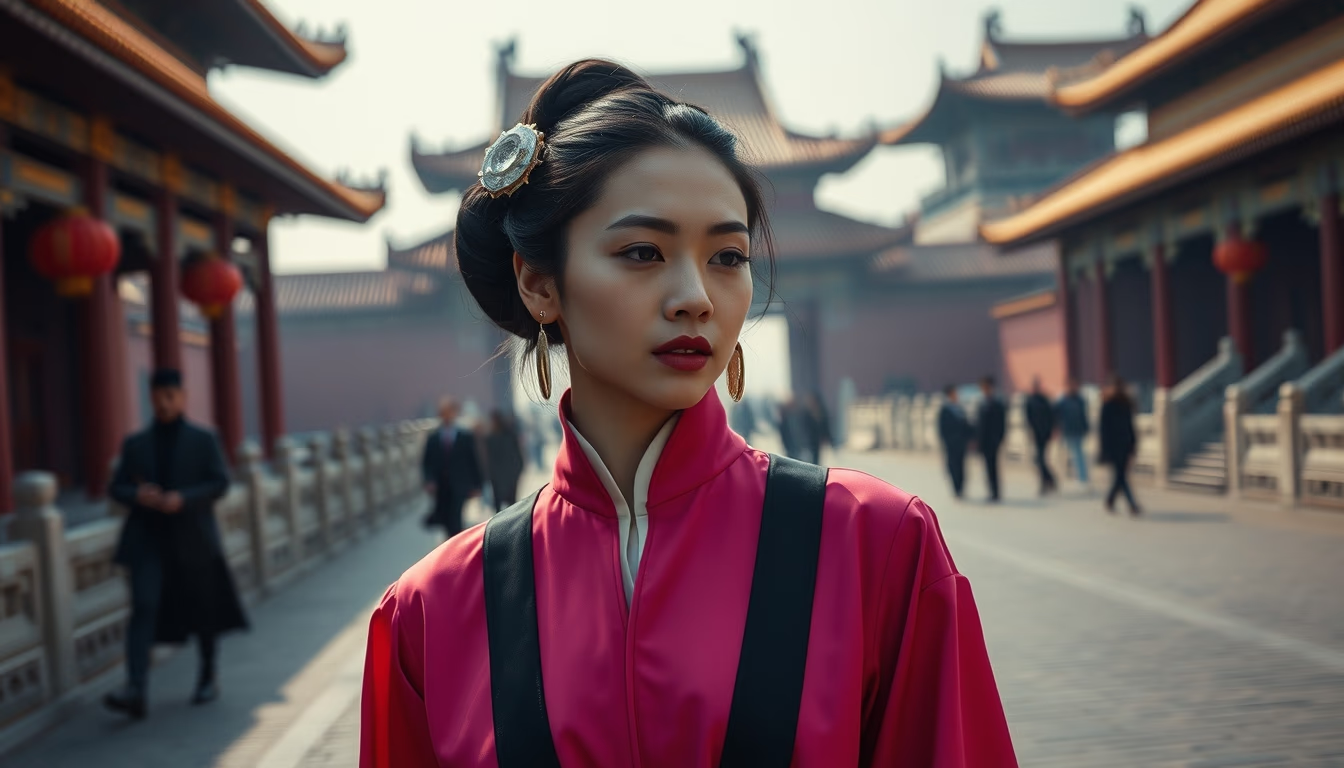
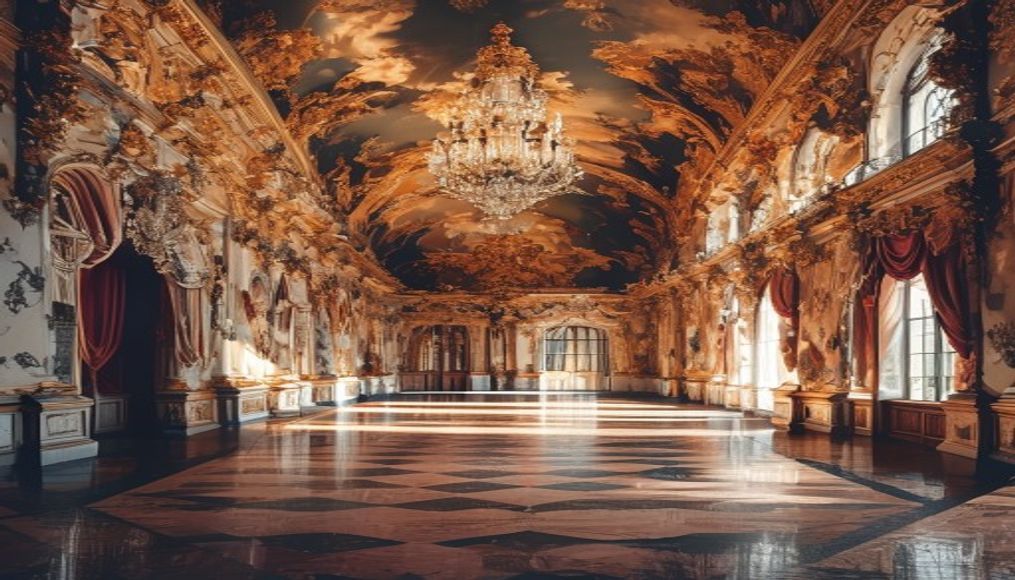
The Forbidden City in Beijing served as the imperial palace for the Ming and Qing dynasties for nearly 500 years, now housing the Palace Museum and ranking among the world's most visited historical sites.
About this subject
The Forbidden City is a palace complex in the heart of Beijing, China. Built between 1406 and 1420 during the Ming dynasty, it served as the official residence for 24 emperors until the end of the Qing dynasty in 1912. The name "forbidden" refers to the fact that for centuries access was restricted to the emperor, his family, and authorized servants; commoners were not allowed inside without imperial permission.
The complex covers 72 hectares and includes about 980 buildings, containing around 9,000 halls. Legend says there are 9,999 rooms, a number symbolizing the emperor's longevity and permanence. The architecture strictly follows feng shui and Confucian hierarchy principles, with buildings aligned on a north-south axis. The palace is surrounded by an 8-meter-high wall and a 6-meter-wide moat.
In 1987, the Forbidden City was declared a UNESCO World Heritage Site, recognized as the world's largest collection of ancient wooden structures. Today it houses the Palace Museum, which holds millions of precious artifacts including paintings, ceramics, jade, and imperial objects. It receives over 15 million visitors annually, but since 2019 daily limits have been enforced to preserve the site.
Beyond its historical value, the Forbidden City often inspires fashion and design. Its red and gold colors, curved roofs, and ornamental patterns appear in collections by designers seeking to evoke the elegance and power of imperial China. The site has also served as a backdrop for films and documentaries, reinforcing its status as a global cultural icon.
Frequently Asked Questions
How many rooms are in the Forbidden City?
The Forbidden City contains about 980 buildings with approximately 9,000 halls. While legend says there are 9,999 rooms, the actual number is slightly lower but still vast.
Why was it called 'forbidden'?
It was called forbidden because access was restricted to the emperor, his family, and authorized servants. Common people were not allowed inside without imperial permission, on pain of death.
What is the best time to visit the Forbidden City?
The best time is spring (April-May) or autumn (September-October) when the weather is mild. Avoid Chinese public holidays like the Spring Festival, as the site becomes extremely crowded.
Direct URL
https://pub-c7d6a6ea828543ac903a74a341ccb2e1.r2.dev/imagens/forbidden-city-beijing-high-fashion-editorial-p8.avifHow to credit
Include a visible link back to UtilizAí. Copy one of the snippets below:
<a href="https://xn--utiliza-eza.com/en/midia/imagens/forbidden-city-beijing-high-fashion-editorial-p8">Forbidden city beijing</a> by <a href="https://xn--utiliza-eza.com">UtilizAí</a>, licensed under <a href="https://creativecommons.org/licenses/by/4.0/">CC BY 4.0</a>.
[Forbidden city beijing](https://xn--utiliza-eza.com/en/midia/imagens/forbidden-city-beijing-high-fashion-editorial-p8) by [UtilizAí](https://xn--utiliza-eza.com), CC BY 4.0
License: CC-BY-4.0