Flowering rosemary bees
1344×768 · AVIF · CC BY 4.0
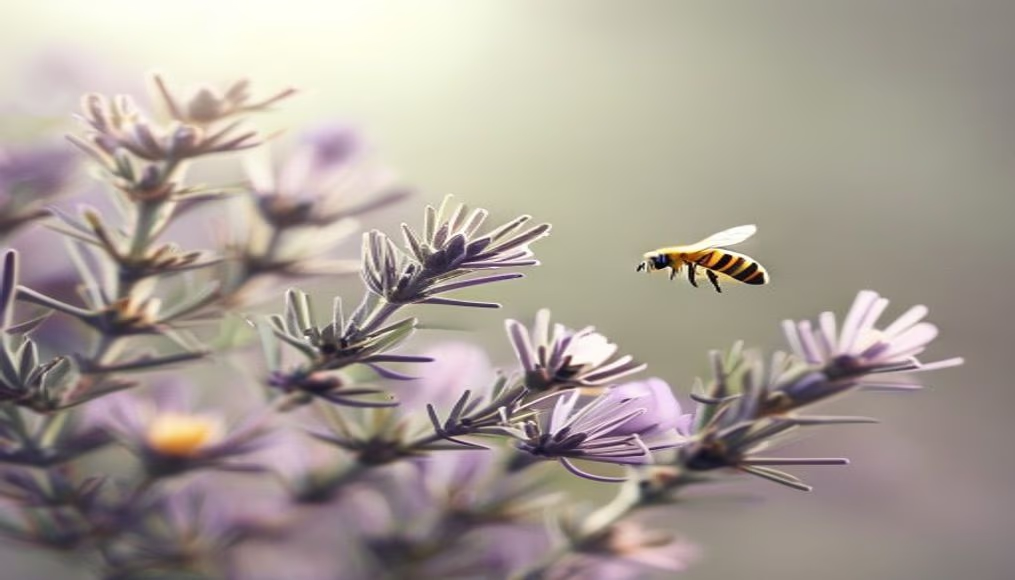
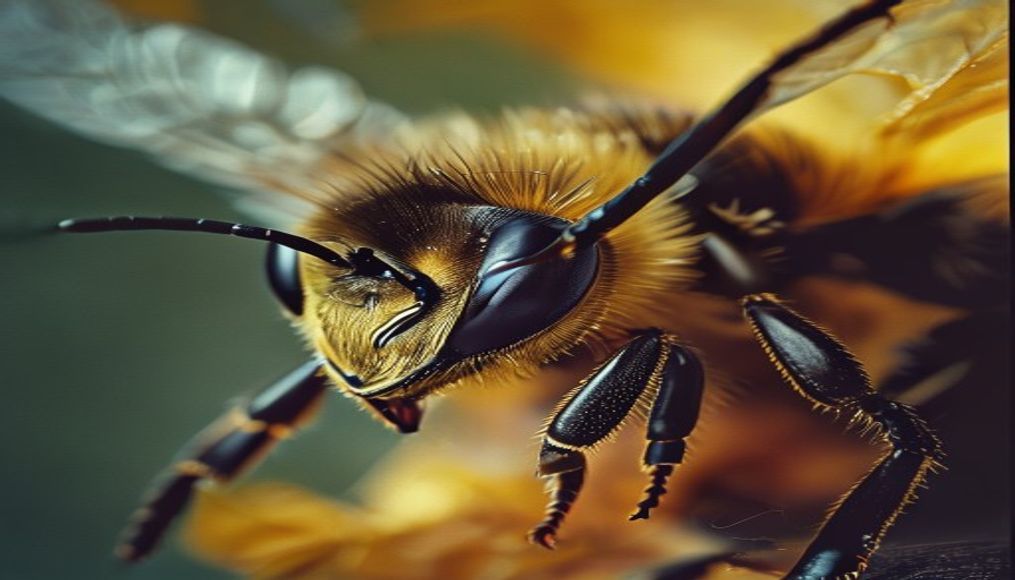
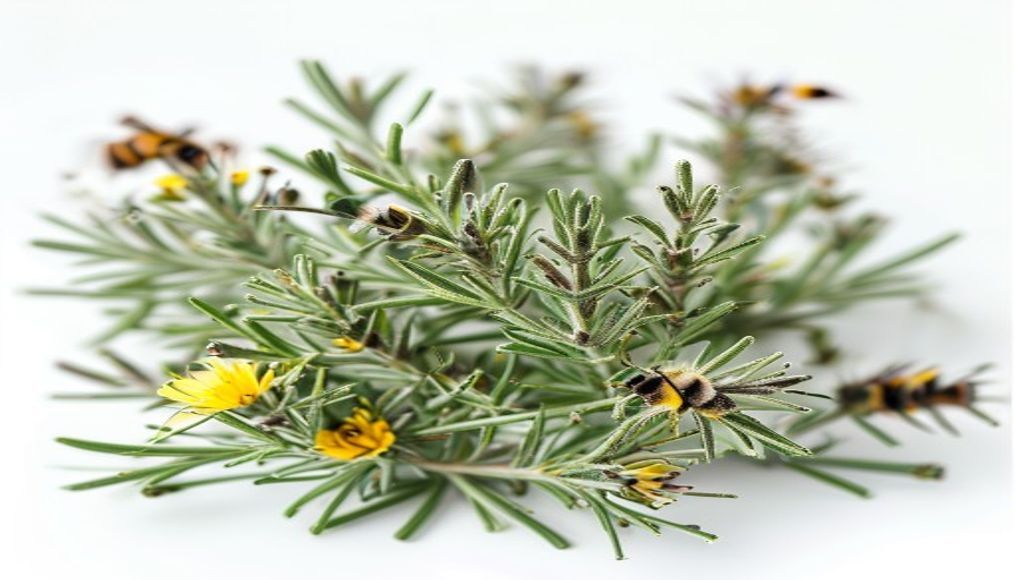
A bee pollinates rosemary flowers (Rosmarinus officinalis) in a minimalist composition highlighting the symbiosis between insect and plant.
About this subject
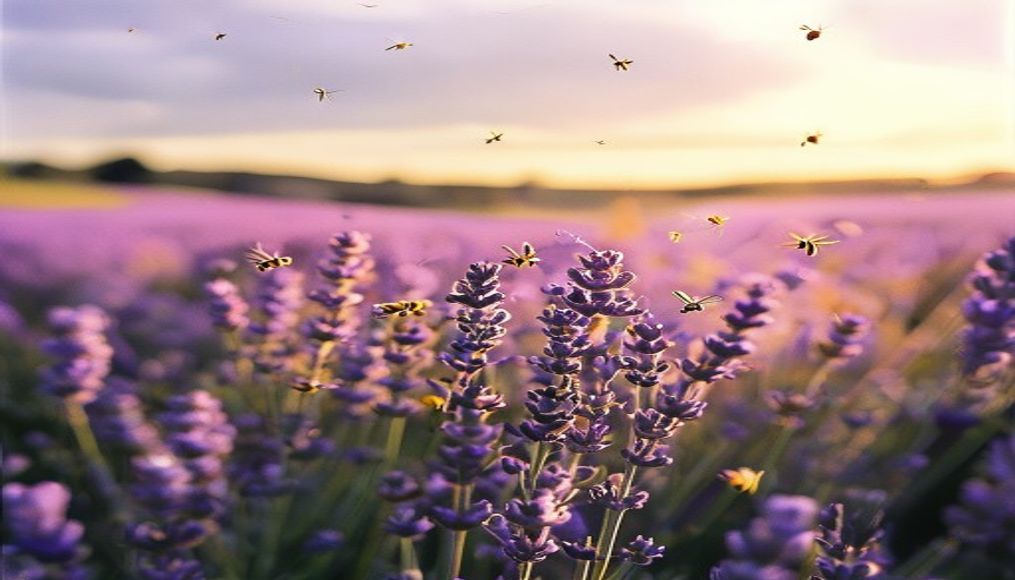
Rosemary (Rosmarinus officinalis) is a perennial shrub native to the Mediterranean region, widely cultivated for its aromatic leaves and flowers that attract pollinators. Its small, usually bluish or lilac flowers appear in dense terminal clusters and produce abundant nectar during spring and summer, making them a vital resource for honey bees (Apis mellifera) and other insects. The interaction between the bee and the rosemary flower is a classic example of mutualism: the bee collects nectar and pollen for its hive, while the plant ensures cross-pollination, essential for viable seed production.
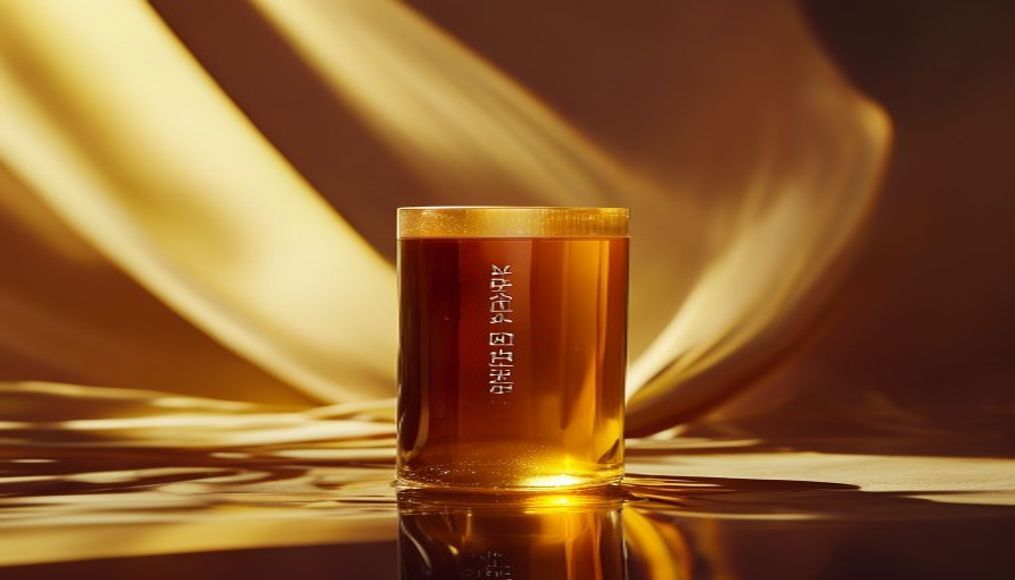
Rosemary honey, one of the most prized in beekeeping, is known for its light color, mild flavor, and floral aroma. Studies indicate it has antibacterial and antioxidant properties, attributed to the phenolic compounds in rosemary. In ancient Greece, rosemary was associated with memory and fidelity, used in ceremonies and as a symbol of love. The plant also has a strong presence in Brazilian cuisine, especially in marinades and teas.
Rosemary blooming can occur continuously in mild climates, but peaks between March and June in the Southern Hemisphere. For beekeepers, this bloom represents an important income source, especially when combined with other wild blooms. In minimalist compositions, the image of bees on rosemary evokes the beauty of urban nature and the importance of pollinator conservation in cultivated landscapes.
Frequently Asked Questions
Why are bees attracted to rosemary?
Bees are attracted to the abundant nectar and pollen of rosemary flowers, as well as the characteristic scent that guides them to the plant. The continuous bloom in mild climates also provides a food resource for long periods.
What is rosemary honey and what are its properties?
Rosemary honey is a monofloral honey produced from the nectar of rosemary flowers. It has a light color, mild flavor, and antibacterial and antioxidant properties due to the phenolic compounds of the plant.
Does rosemary bloom all year round?
No. Although rosemary can bloom sporadically in mild climates, the main flowering occurs in spring and summer, varying by region. In Brazil, the peak bloom is usually between March and June.
Direct URL
https://pub-c7d6a6ea828543ac903a74a341ccb2e1.r2.dev/imagens/flowering-rosemary-bees-minimalist-composition-p1.avifHow to credit
Include a visible link back to UtilizAí. Copy one of the snippets below:
<a href="https://xn--utiliza-eza.com/en/midia/imagens/flowering-rosemary-bees-minimalist-composition-p1">Flowering rosemary bees</a> by <a href="https://xn--utiliza-eza.com">UtilizAí</a>, licensed under <a href="https://creativecommons.org/licenses/by/4.0/">CC BY 4.0</a>.
[Flowering rosemary bees](https://xn--utiliza-eza.com/en/midia/imagens/flowering-rosemary-bees-minimalist-composition-p1) by [UtilizAí](https://xn--utiliza-eza.com), CC BY 4.0
License: CC-BY-4.0