Flamingo flock pink
1344×768 · AVIF · CC BY 4.0
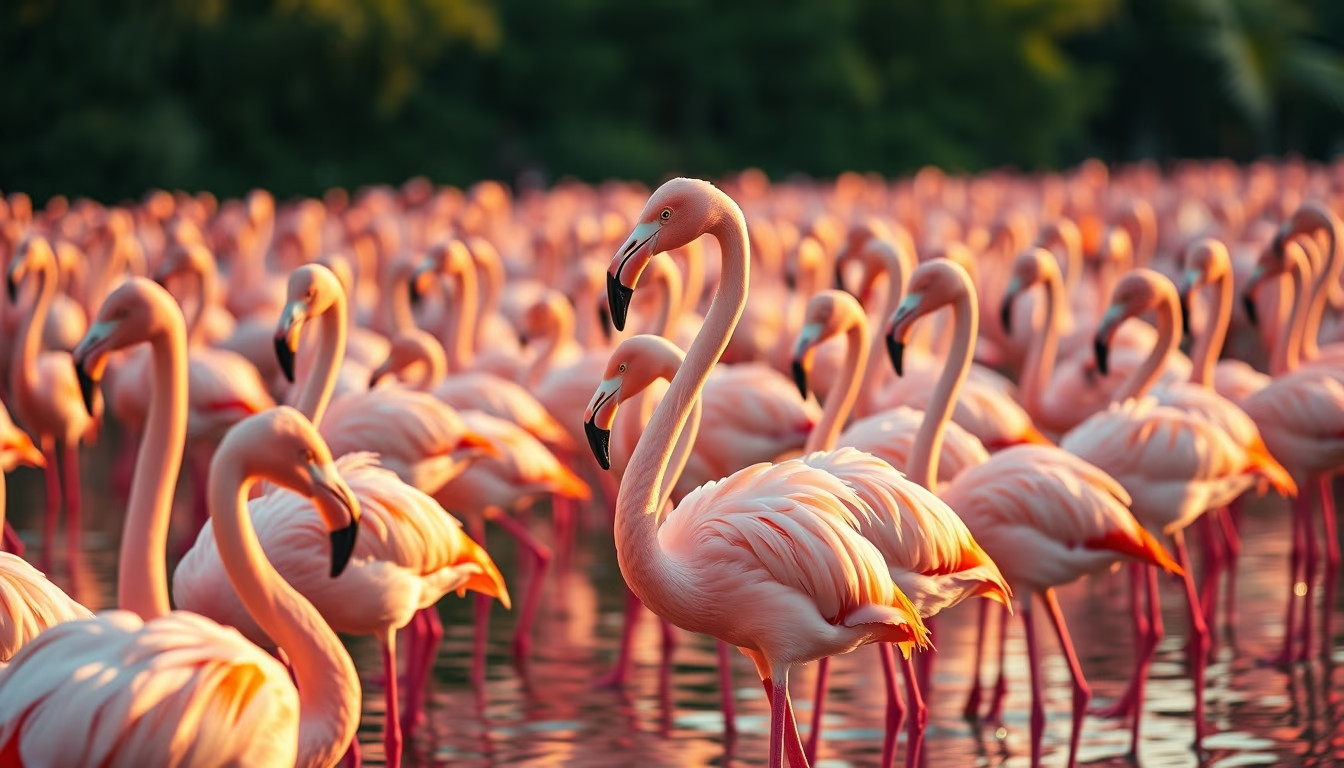
Flamingos are wading birds known for their vibrant pink plumage, a result of their carotenoid-rich diet.
About this subject
Flamingos, belonging to the family Phoenicopteridae, are wading birds found in tropical and subtropical regions worldwide, including South America, Africa, Europe, and Asia. Their characteristic pink coloration is not innate: chicks are born with gray or white feathers and acquire the pink hue by feeding on algae and crustaceans rich in carotenoids, such as spirulina and brine shrimp. These pigments are metabolized and deposited in the feathers, resulting in shades ranging from pale pink to intense red, depending on the species and diet.
There are six species of flamingo, the most well-known being the greater flamingo (Phoenicopterus roseus), which can reach up to 1.5 meters in height and weigh about 4 kg. Flamingos are highly social birds, living in colonies that can gather thousands of individuals. These colonies play a crucial role in reproduction, as flamingos build cone-shaped mud nests and perform elaborate synchronized mating dances that strengthen pair bonds.
The flamingo's diet is filtered through specialized structures in the beak called lamellae, which retain small organisms while water is expelled. This adaptation allows them to feed in shallow, saline waters where other animals would struggle. In addition to carotenoids, flamingos also consume blue-green algae and small mollusks, contributing to their nutrition.
Flamingos face threats such as habitat loss, pollution, and human disturbance at their nesting sites. However, conservation efforts in various regions have helped stabilize populations. In Brazil, for example, the Chilean flamingo (Phoenicopterus chilensis) is found in the Pantanal and along the coast, serving as an important tourist attraction. The image of a flock of flamingos in flight or at rest is a visual spectacle that symbolizes the beauty and diversity of wildlife.
Frequently Asked Questions
Why are flamingos pink?
Flamingos get their pink color from carotenoids in their diet, mainly algae and crustaceans. These pigments are deposited in their feathers, resulting in the characteristic hue.
Where do flamingos live?
Flamingos inhabit tropical and subtropical regions, including South America, Africa, southern Europe, and parts of Asia. They prefer shallow lakes, saline lagoons, and estuaries.
Are flamingos migratory birds?
Yes, some species of flamingos undertake seasonal migrations in search of food and suitable breeding sites, but not all populations are migratory.
Direct URL
https://pub-c7d6a6ea828543ac903a74a341ccb2e1.r2.dev/imagens/flamingo-flock-pink-cinematic-wide-shot-v2.avifHow to credit
Include a visible link back to UtilizAí. Copy one of the snippets below:
<a href="https://xn--utiliza-eza.com/en/midia/imagens/flamingo-flock-pink-cinematic-wide-shot-v2">Flamingo flock pink</a> by <a href="https://xn--utiliza-eza.com">UtilizAí</a>, licensed under <a href="https://creativecommons.org/licenses/by/4.0/">CC BY 4.0</a>.
[Flamingo flock pink](https://xn--utiliza-eza.com/en/midia/imagens/flamingo-flock-pink-cinematic-wide-shot-v2) by [UtilizAí](https://xn--utiliza-eza.com), CC BY 4.0
License: CC-BY-4.0