Family at table eating Brazilian groceries from supermarket bag
1344×768 · AVIF · CC BY 4.0
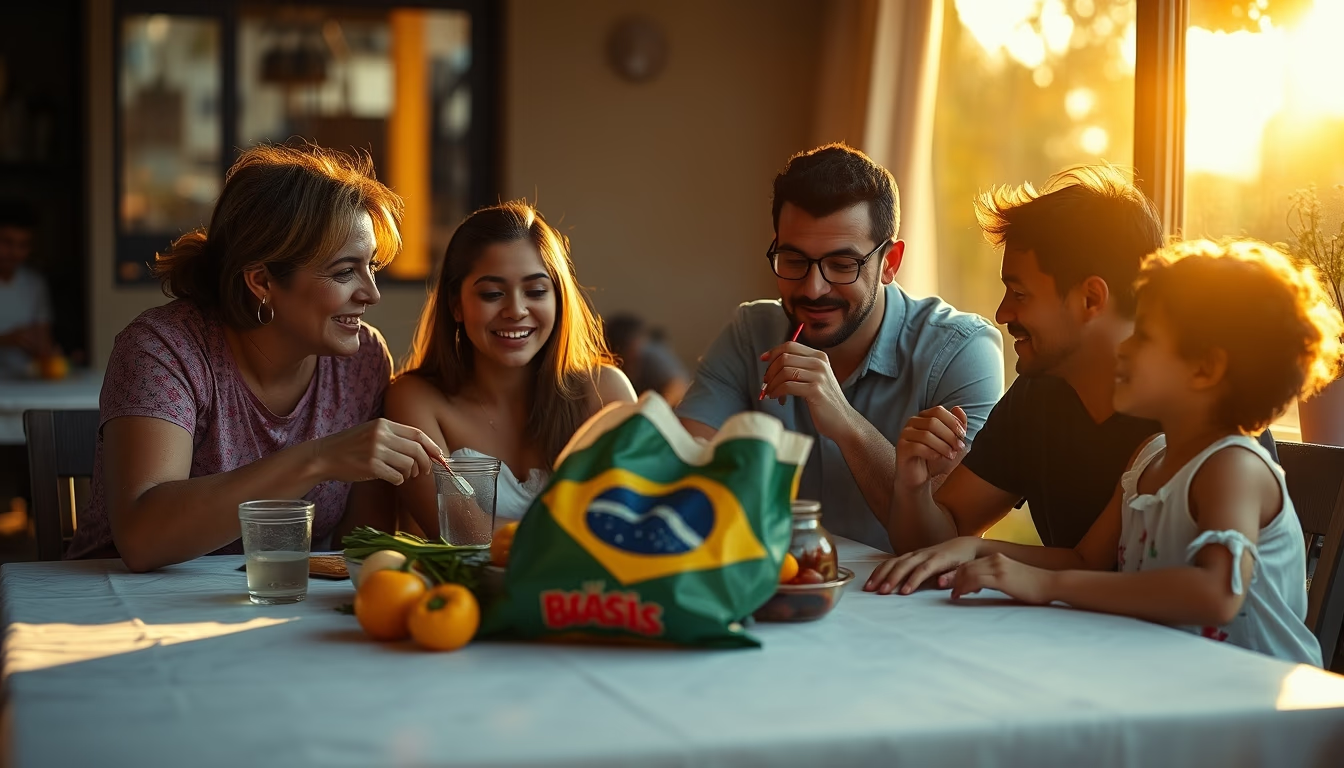
A Brazilian family shares a meal with groceries from a supermarket bag, reflecting eating habits and consumer culture in Brazil.
About this subject
In Brazil, grocery shopping and home cooking are central to family life. Supermarket bags typically contain staples such as rice, beans, cassava flour, meats, fruits, and vegetables, which form the basis of Brazilian cuisine. Rice and beans, for example, are considered a national dish and appear in most meals. Families often gather for lunch, the main meal of the day, between 11 a.m. and 1 p.m. This moment is valued as an opportunity for bonding and connection. Reusable or plastic supermarket bags are common, and many Brazilians do weekly shopping at large supermarket chains, especially in urban areas. The scene of a family at the table with groceries still in the bag is familiar nationwide, symbolizing practicality and the tradition of home cooking. Brazil's rich regional diversity influences typical ingredients and dishes: in the North, Amazonian fish and fruits; in the Northeast, African influences like acarajé and vatapá; in the South, the churrasco tradition. Home-cooked meals are seen as healthier and more economical, although consumption of ultra-processed foods is rising. According to IBGE data, Brazilians spend an average of 17% of their income on food, and supermarkets account for about 80% of food purchases in the country. The image of a family sharing a meal with freshly bought groceries reflects this everyday reality, where the table is a meeting point and food is an expression of affection.
Frequently Asked Questions
What are the most common foods in Brazilian families' grocery shopping?
The most common items include rice, beans, cassava flour, meats (beef, chicken, pork), fruits (banana, orange, apple), vegetables (lettuce, tomato, onion), soybean oil, sugar, coffee, and milk. These form the basis of daily meals.
How important is the family meal in Brazilian culture?
The family meal, especially lunch, is a time for bonding and strengthening ties. It is common for all members to gather at the table to share food and talk, reflecting values of unity and affection.
How have food consumption habits in Brazil changed in recent years?
There has been an increase in consumption of ultra-processed foods and delivery, but the tradition of home cooking remains strong. The search for healthier and organic foods is also growing, especially among the middle and upper classes.
Direct URL
https://pub-c7d6a6ea828543ac903a74a341ccb2e1.r2.dev/imagens/family-at-table-eating-brazilian-groceries-from-supermarket-bag-wide-late-afternoon-5.avifHow to credit
Include a visible link back to UtilizAí. Copy one of the snippets below:
<a href="https://xn--utiliza-eza.com/en/midia/imagens/family-at-table-eating-brazilian-groceries-from-supermarket-bag-wide-late-afternoon-5">Family at table eating Brazilian groceries from supermarket bag</a> by <a href="https://xn--utiliza-eza.com">UtilizAí</a>, licensed under <a href="https://creativecommons.org/licenses/by/4.0/">CC BY 4.0</a>.
[Family at table eating Brazilian groceries from supermarket bag](https://xn--utiliza-eza.com/en/midia/imagens/family-at-table-eating-brazilian-groceries-from-supermarket-bag-wide-late-afternoon-5) by [UtilizAí](https://xn--utiliza-eza.com), CC BY 4.0
License: CC-BY-4.0