Family at table eating Brazilian groceries from supermarket bag
1344×768 · AVIF · CC BY 4.0
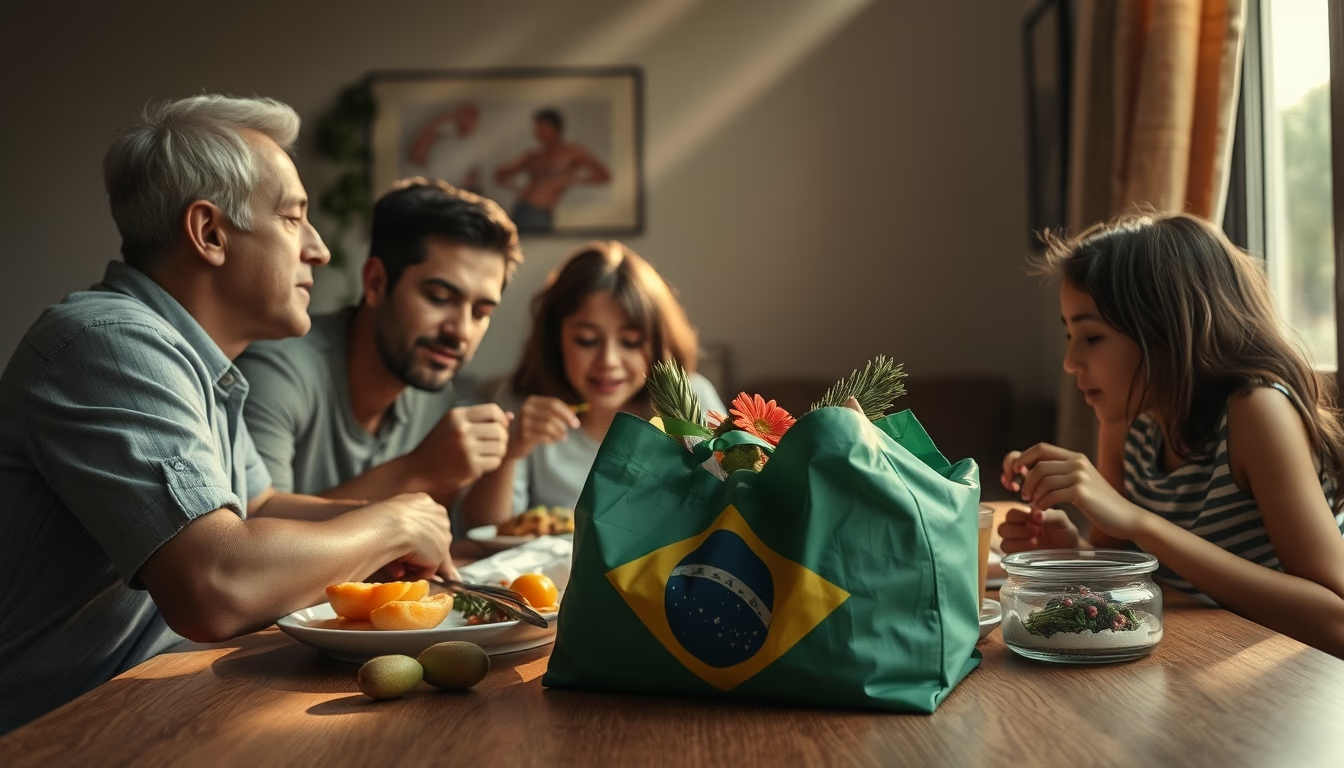
Brazilian family sharing a meal with supermarket groceries, depicting daily life and home cooking in Brazil.
About this subject
The scene depicts a family gathered around a table, consuming food that was just purchased from a supermarket. In Brazil, the habit of shopping at supermarkets is predominant, especially in urban areas, where about 85% of households acquire food in these establishments (data from ABRAS). Family meals are a cultural pillar in Brazil, often associated with Sunday lunch, which brings relatives together around dishes such as rice, beans, meat, and salad. The visible supermarket bag indicates the practicality of modern consumption, contrasting with traditional open-air markets, still common in many cities. Eating together strengthens social bonds and is valued in well-being research: according to IBGE, 90% of Brazilians consider family meals important. The variety of items on the table may reflect regional diversity, with indigenous, African, and European influences. Additionally, the moment represents the routine of millions of Brazilians who balance work and domestic life, often resorting to processed or semi-ready foods to save time. This image is a snapshot of food consumption in contemporary Brazil, marked by advertising influence, the availability of industrialized products, and the persistence of basic ingredients in national cuisine.
Frequently Asked Questions
How important are family meals in Brazil?
Family meals are a cultural cornerstone in Brazil, strengthening emotional bonds and passing down culinary traditions. Surveys show that 90% of Brazilians consider these moments important for well-being.
What do Brazilians typically buy at supermarkets?
Brazilians buy staple foods like rice, beans, and meats, as well as processed items and hygiene products. The basic food basket varies by region, but rice and beans are ubiquitous.
How does Brazilian home cooking reflect cultural diversity?
Brazilian home cooking incorporates indigenous (cassava), African (feijoada), and European (pasta) influences, with regional adaptations. Each state has typical dishes that appear on family tables.
Direct URL
https://pub-c7d6a6ea828543ac903a74a341ccb2e1.r2.dev/imagens/family-at-table-eating-brazilian-groceries-from-supermarket-bag-editorial-overcast-daytime-3.avifHow to credit
Include a visible link back to UtilizAí. Copy one of the snippets below:
<a href="https://xn--utiliza-eza.com/en/midia/imagens/family-at-table-eating-brazilian-groceries-from-supermarket-bag-editorial-overcast-daytime-3">Family at table eating Brazilian groceries from supermarket bag</a> by <a href="https://xn--utiliza-eza.com">UtilizAí</a>, licensed under <a href="https://creativecommons.org/licenses/by/4.0/">CC BY 4.0</a>.
[Family at table eating Brazilian groceries from supermarket bag](https://xn--utiliza-eza.com/en/midia/imagens/family-at-table-eating-brazilian-groceries-from-supermarket-bag-editorial-overcast-daytime-3) by [UtilizAí](https://xn--utiliza-eza.com), CC BY 4.0
License: CC-BY-4.0