Family at table eating Brazilian groceries from supermarket bag
1344×768 · AVIF · CC BY 4.0
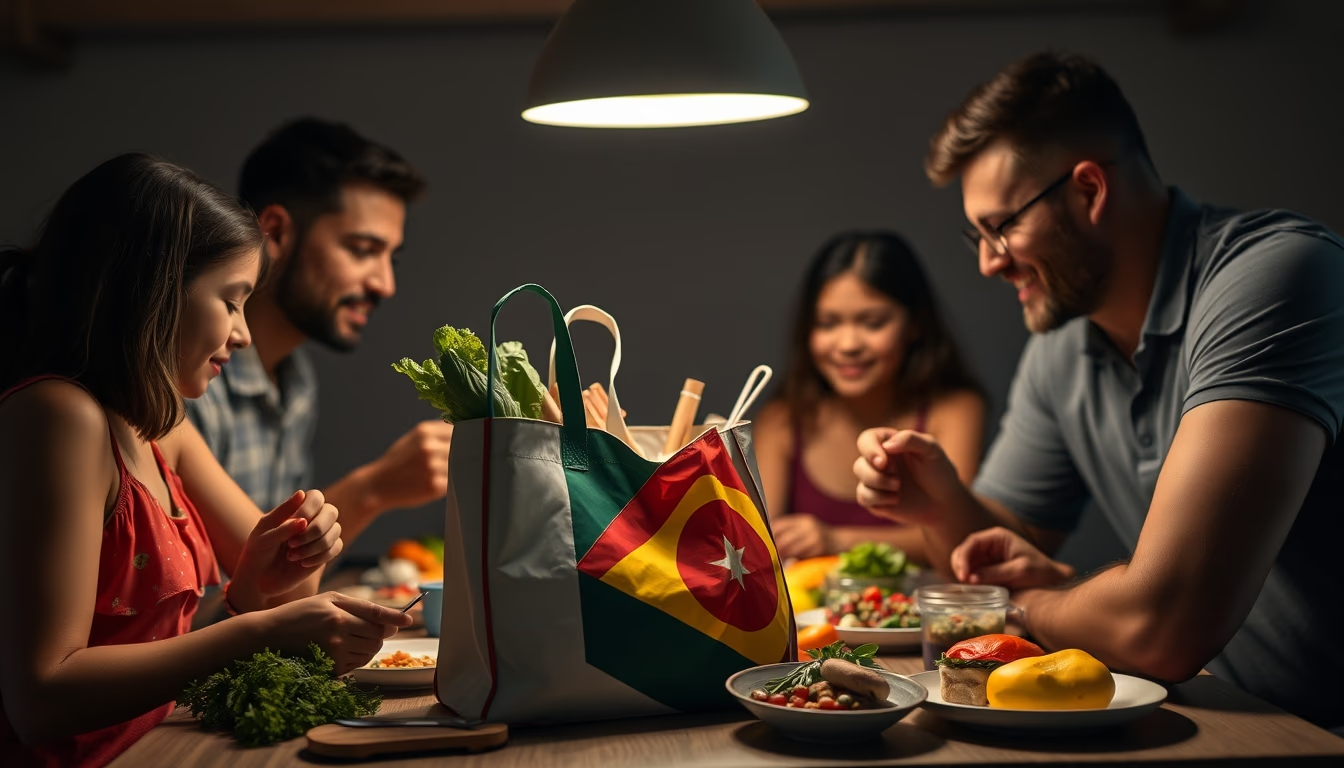
Brazilian family having a night meal with supermarket groceries, reflecting urban eating habits and home convenience.
About this subject
In Brazil, the act of gathering the family around the table for an evening meal is a deeply ingrained habit, but one that has undergone transformations in recent decades. The image depicts this daily moment where food comes directly from supermarket bags, highlighting the practicality of modern life. Data from IBGE indicates that over 70% of Brazilian families do weekly grocery shopping at supermarkets, prioritizing processed and semi-ready items to speed up preparation. Typical products that may compose this meal include rice, beans, packaged meats, seasonal vegetables and fruits, as well as industrialized breads and dairy. The nighttime scene, with artificial lighting, suggests a dinner after a workday, a common practice in urban centers like São Paulo, Rio de Janeiro, and Belo Horizonte. The table set with food directly from packages reflects the influence of consumer culture and the reduced time dedicated to traditional cooking. Interestingly, studies from UFPR show that despite the convenience, there is a growing movement valuing fresh and organic foods, especially among urban middle classes. The image thus captures a paradox: supermarket convenience versus the desire for more elaborate home-cooked meals. This contrast is particularly visible in metropolitan regions, where the fast-paced routine imposes food choices that balance flavor, cost, and time.
Frequently Asked Questions
What Brazilian foods are common in supermarket-based evening dinners?
Rice, beans, packaged meats (such as chicken and ground beef), fresh vegetables, seasonal fruits, industrialized breads, dairy products, and semi-ready items like pasta and sauces.
How does urban routine influence nighttime eating habits in Brazil?
The fast-paced routine leads families to opt for practical and quick-to-prepare foods, prioritizing supermarket shopping and reducing traditional cooking time.
Is there a movement against supermarket-based eating in Brazil?
Yes, there is a growing appreciation for fresh and organic foods, with open-air markets and urban gardens gaining followers, especially among middle classes seeking healthier meals.
Direct URL
https://pub-c7d6a6ea828543ac903a74a341ccb2e1.r2.dev/imagens/family-at-table-eating-brazilian-groceries-from-supermarket-bag-closeup-twilight-3.avifHow to credit
Include a visible link back to UtilizAí. Copy one of the snippets below:
<a href="https://xn--utiliza-eza.com/en/midia/imagens/family-at-table-eating-brazilian-groceries-from-supermarket-bag-closeup-twilight-3">Family at table eating Brazilian groceries from supermarket bag</a> by <a href="https://xn--utiliza-eza.com">UtilizAí</a>, licensed under <a href="https://creativecommons.org/licenses/by/4.0/">CC BY 4.0</a>.
[Family at table eating Brazilian groceries from supermarket bag](https://xn--utiliza-eza.com/en/midia/imagens/family-at-table-eating-brazilian-groceries-from-supermarket-bag-closeup-twilight-3) by [UtilizAí](https://xn--utiliza-eza.com), CC BY 4.0
License: CC-BY-4.0