Factory robot arm assembly
1344×768 · AVIF · CC BY 4.0
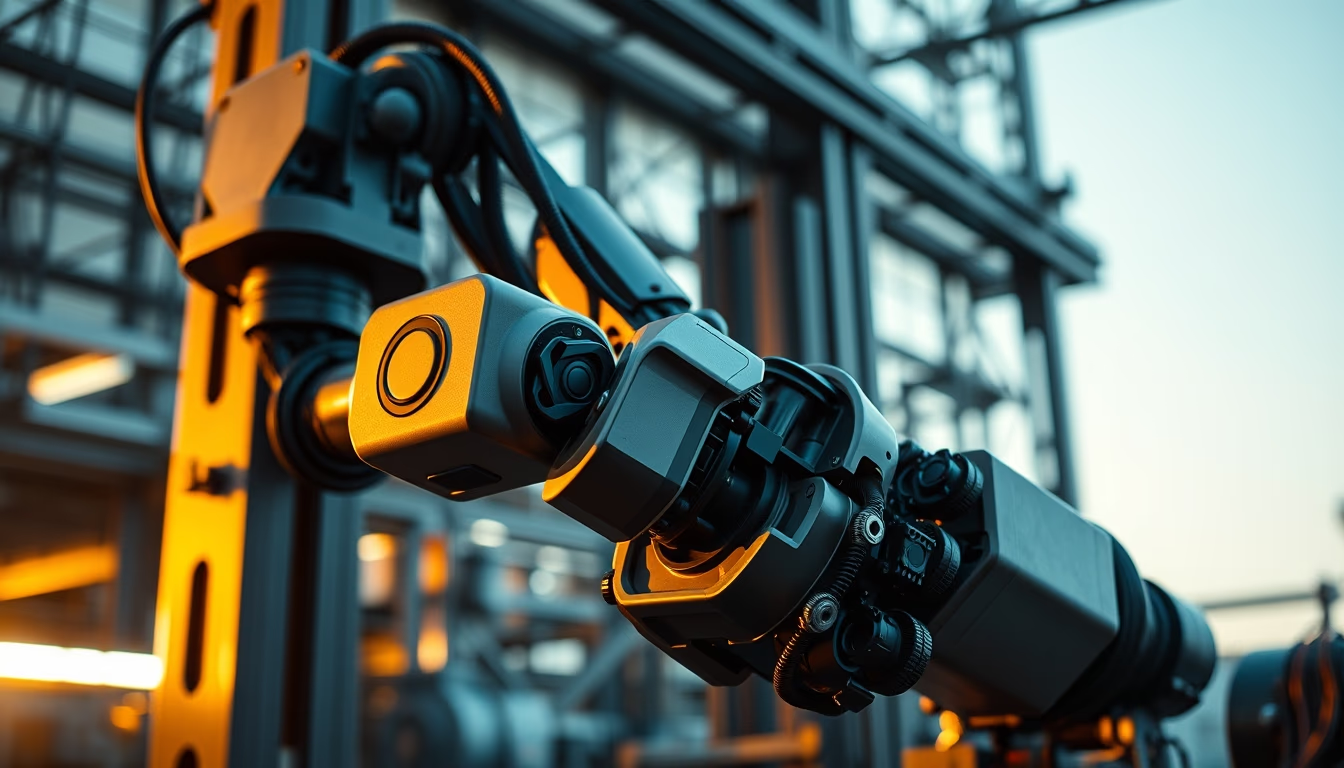
Industrial robotic arm operating on an automated assembly line, with dramatic lighting and cinematic composition.
About this subject
Industrial robotic arms are essential components on modern assembly lines, especially in the automotive, electronics, and consumer goods industries. These robots, such as KUKA or FANUC models, have multiple axes of movement that allow them to perform repetitive tasks with sub millimeter precision. The dramatic lighting in the image, with strong contrasts between light and shadow, is common in factory environments to highlight critical operating areas and facilitate visual inspection.
Industrial automation with robots began in the 1960s with Unimate, the first industrial robot, installed at General Motors. Since then, technology has evolved to include vision sensors, artificial intelligence, and learning capabilities. Currently, there are an estimated over 3 million industrial robots in operation worldwide, with China leading in robot density per worker.
In Brazil, the automotive industry is the largest user of robots, with automakers such as Volkswagen, Fiat, and General Motors standing out. The country ranks 5th in global robot sales, according to the International Federation of Robotics. The trend is upward, driven by Industry 4.0 and the need for greater efficiency and workplace safety.
Interestingly, the orange or yellow color of robots is not just aesthetic; it is chosen to ensure high visibility in industrial environments, reducing accident risks. Additionally, many modern robots are equipped with safety systems that automatically stop if a human approaches too closely.
Frequently Asked Questions
What is the typical precision of an industrial robotic arm?
Precision varies by model, but many modern robotic arms achieve repeatability of up to 0.02 mm, essential for electronic and automotive assemblies.
Do industrial robots completely replace human workers?
No. While they automate repetitive tasks, they usually work alongside humans, who supervise, program, and perform tasks requiring flexibility and decision making.
What is the average lifespan of an industrial robot?
With proper maintenance, an industrial robot can operate for 10 to 15 years, or even longer, depending on usage intensity and environmental conditions.
Direct URL
https://pub-c7d6a6ea828543ac903a74a341ccb2e1.r2.dev/imagens/factory-robot-arm-assembly-cinematic-wide-shot-v2.avifHow to credit
Include a visible link back to UtilizAí. Copy one of the snippets below:
<a href="https://xn--utiliza-eza.com/en/midia/imagens/factory-robot-arm-assembly-cinematic-wide-shot-v2">Factory robot arm assembly</a> by <a href="https://xn--utiliza-eza.com">UtilizAí</a>, licensed under <a href="https://creativecommons.org/licenses/by/4.0/">CC BY 4.0</a>.
[Factory robot arm assembly](https://xn--utiliza-eza.com/en/midia/imagens/factory-robot-arm-assembly-cinematic-wide-shot-v2) by [UtilizAí](https://xn--utiliza-eza.com), CC BY 4.0
License: CC-BY-4.0