Embroidery floss rainbow
1344×768 · AVIF · CC BY 4.0
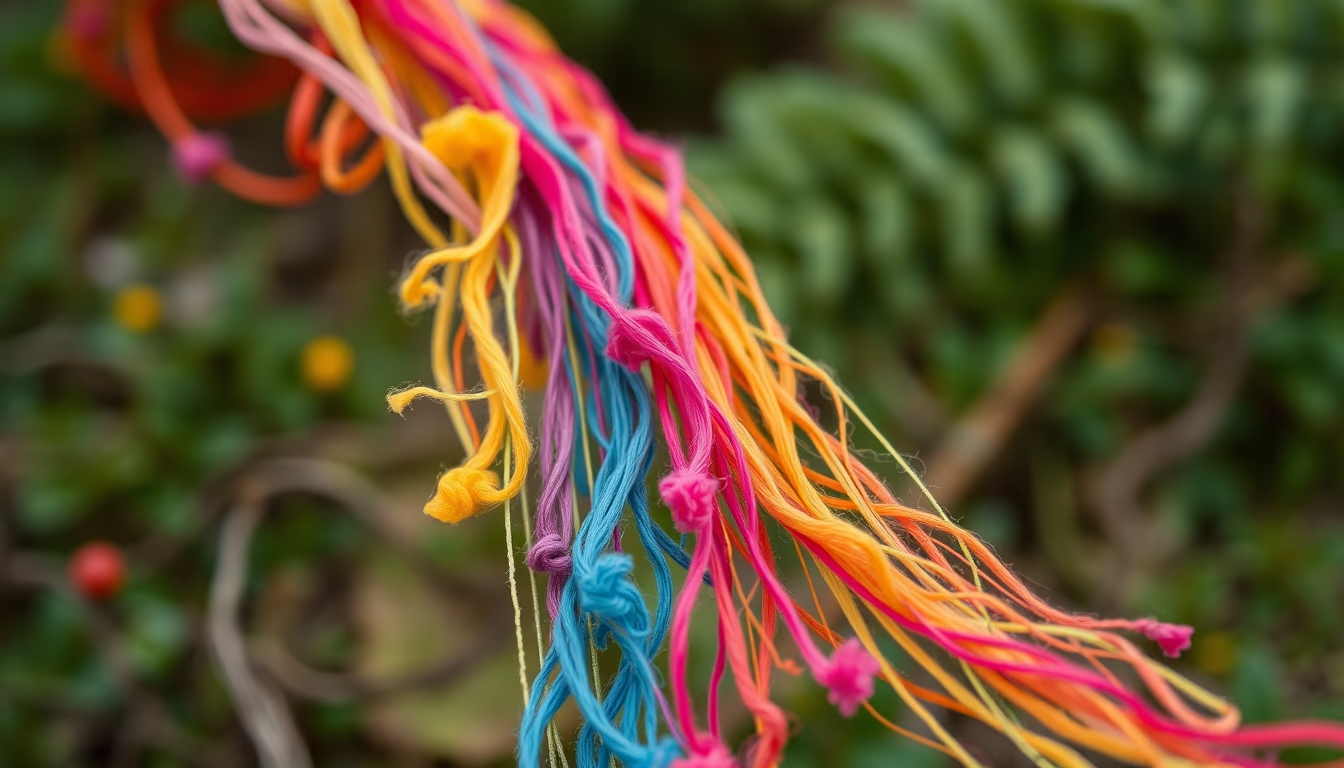
Embroidery floss in a rainbow gradient, a versatile material connecting textile traditions across different cultures worldwide.
About this subject
Embroidery floss, also known as embroidery thread, is one of the most versatile materials in the textile world. Usually made of mercerized cotton, it has a subtle sheen and high strength, ideal for detailed stitches. Mass production began in the 19th century with the Industrial Revolution, but hand-spinning techniques are ancient.
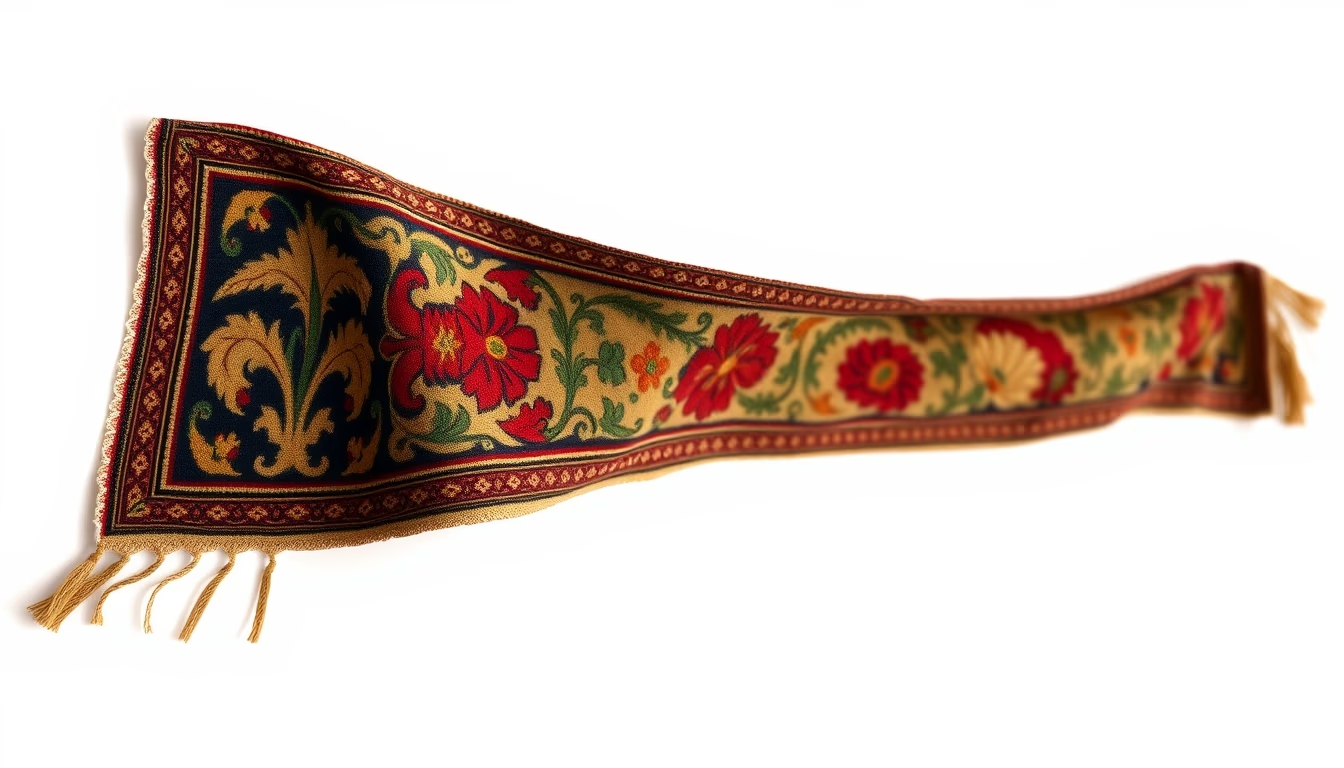
Different regions have developed specific uses for these threads. In Latin America, colorful embroidery is a hallmark of indigenous and mestizo culture, appearing in traditional garments like Mexican huipils or embroidered shirts from northeastern Brazil. In Asia, countries like India and China have centuries-old traditions of silk embroidery, while in Europe, cross-stitch and free embroidery have been popular pastimes since the Middle Ages.
The vibrant color palette, such as the rainbow gradient, reflects the evolution of textile dyes. Natural dyes (like annatto, indigo, and cochineal) were replaced by synthetics from the late 19th century, allowing an almost infinite range of colors. Today, embroidery floss is used not only on fabric but also in accessories, tapestry, and contemporary textile art.
One curious fact: common embroidery floss (usually composed of 6 strands) can be separated for finer effects, a key technique in highly detailed work. Organizations like the Embroidery Museum in Brazil and global craft fairs keep this practice alive, merging technical precision with artistic expression.
Frequently Asked Questions
What is the difference between embroidery floss and sewing thread?
Embroidery floss is more twisted and shiny, usually made of separable strands, while sewing thread is finer and smoother. Embroidery requires threads that glide easily through fabric and retain color after washing.
Why does embroidery floss have 6 strands?
The 6 strands allow adjusting stitch thickness: use the whole thread for thick stitches or separate strands for fine details. This versatility is ideal for techniques like cross-stitch, satin stitch, and free embroidery.
How to preserve embroidery floss for a long time?
Store it in a dry place away from direct sunlight, preferably organized by color on bobbins or in organizers. Avoid humidity to prevent mold and keep away from moths using lavender sachets or natural camphor.
Direct URL
https://pub-c7d6a6ea828543ac903a74a341ccb2e1.r2.dev/imagens/embroidery-floss-rainbow-documentary-nature-style-fresh5.avifHow to credit
Include a visible link back to UtilizAí. Copy one of the snippets below:
<a href="https://xn--utiliza-eza.com/en/midia/imagens/embroidery-floss-rainbow-documentary-nature-style-fresh5">Embroidery floss rainbow</a> by <a href="https://xn--utiliza-eza.com">UtilizAí</a>, licensed under <a href="https://creativecommons.org/licenses/by/4.0/">CC BY 4.0</a>.
[Embroidery floss rainbow](https://xn--utiliza-eza.com/en/midia/imagens/embroidery-floss-rainbow-documentary-nature-style-fresh5) by [UtilizAí](https://xn--utiliza-eza.com), CC BY 4.0
License: CC-BY-4.0