Electronic vote machine technician configuring Brazilian voting machine
1344×768 · AVIF · CC BY 4.0
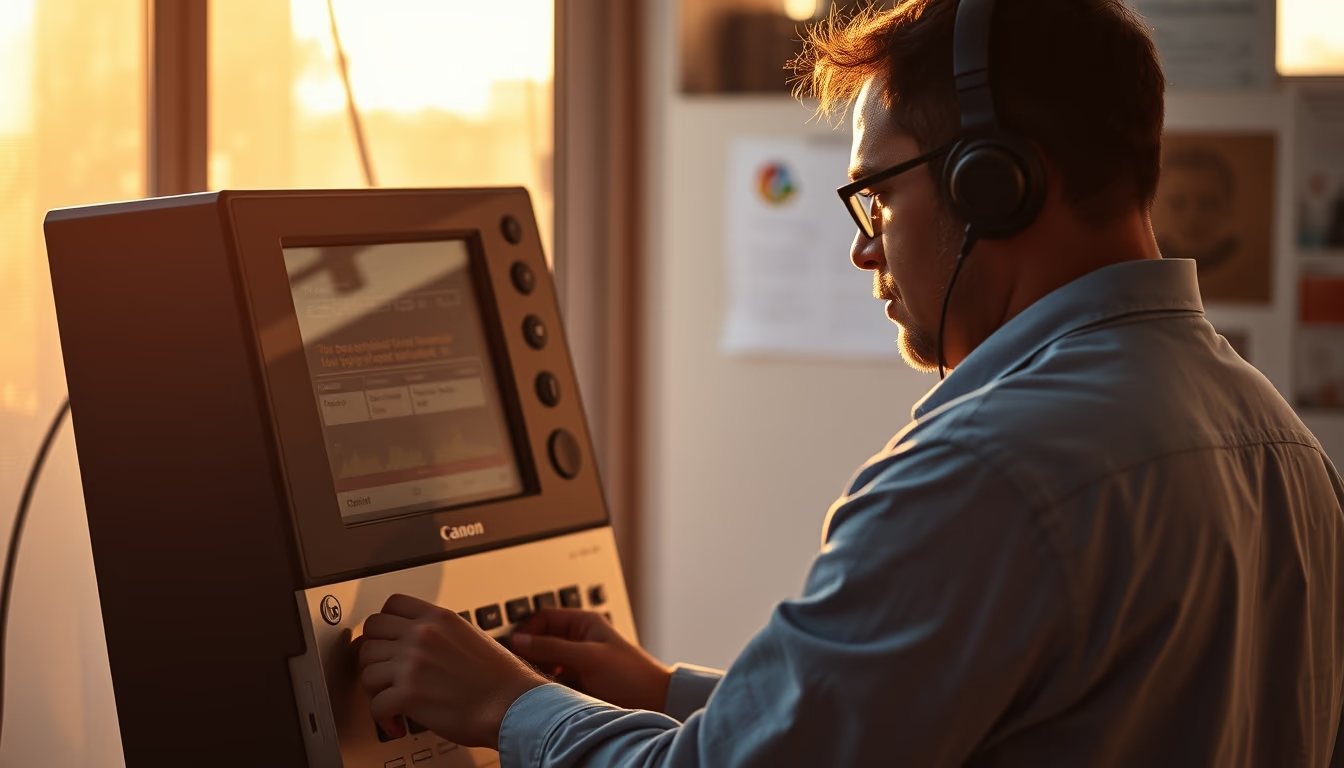
A technician configures the Brazilian electronic voting machine, a model used since 1996, internationally recognized for its security and fast vote counting.
About this subject
The Brazilian electronic voting machine, officially called urna eletrônica, was developed by the Superior Electoral Court (TSE) in partnership with the Center for Research and Development in Telecommunications (CPqD) and national manufacturers. Its use began in the 1996 municipal elections, eliminating paper ballot voting. The equipment is compact, features a numeric keypad and LCD screen, and runs on an internal battery that provides up to 12 hours of autonomy. The machine is not connected to the internet during voting, preventing remote attacks. After the election, votes are recorded on a flash memory media and also printed on a vote report for auditing. The system undergoes public security tests before each election, with participation from experts and political parties. Brazil is one of the largest examples of electronic voting in the world, with over 150 million registered voters. The configuration of the machine is performed by trained technicians, who input candidate information and adjust regional settings. The process is rigorous to ensure data integrity. The electronic voting machine has drastically reduced vote counting time: previously, with paper ballots, results took days; today, they are known within hours after polls close.
Frequently Asked Questions
Is the Brazilian electronic voting machine secure against fraud?
Yes, the electronic voting machine undergoes public security tests and is not connected to the internet, preventing remote attacks. Additionally, each vote is recorded digitally and on a printed report for auditing.
Since when has the electronic voting machine been used in Brazil?
The electronic voting machine was introduced in the 1996 municipal elections, gradually replacing paper ballots across the country.
How does vote counting work on the electronic voting machine?
After polls close, data is stored on flash memory media and transmitted to the TSE via an encrypted network. The result for each polling station is known within minutes.
Direct URL
https://pub-c7d6a6ea828543ac903a74a341ccb2e1.r2.dev/imagens/electronic-vote-machine-technician-configuring-brazilian-urna-eletronica-wide-late-afternoon-3.avifHow to credit
Include a visible link back to UtilizAí. Copy one of the snippets below:
<a href="https://xn--utiliza-eza.com/en/midia/imagens/electronic-vote-machine-technician-configuring-brazilian-urna-eletronica-wide-late-afternoon-3">Electronic vote machine technician configuring Brazilian voting machine</a> by <a href="https://xn--utiliza-eza.com">UtilizAí</a>, licensed under <a href="https://creativecommons.org/licenses/by/4.0/">CC BY 4.0</a>.
[Electronic vote machine technician configuring Brazilian voting machine](https://xn--utiliza-eza.com/en/midia/imagens/electronic-vote-machine-technician-configuring-brazilian-urna-eletronica-wide-late-afternoon-3) by [UtilizAí](https://xn--utiliza-eza.com), CC BY 4.0
License: CC-BY-4.0