Electric organ hammond
1344×768 · AVIF · CC BY 4.0
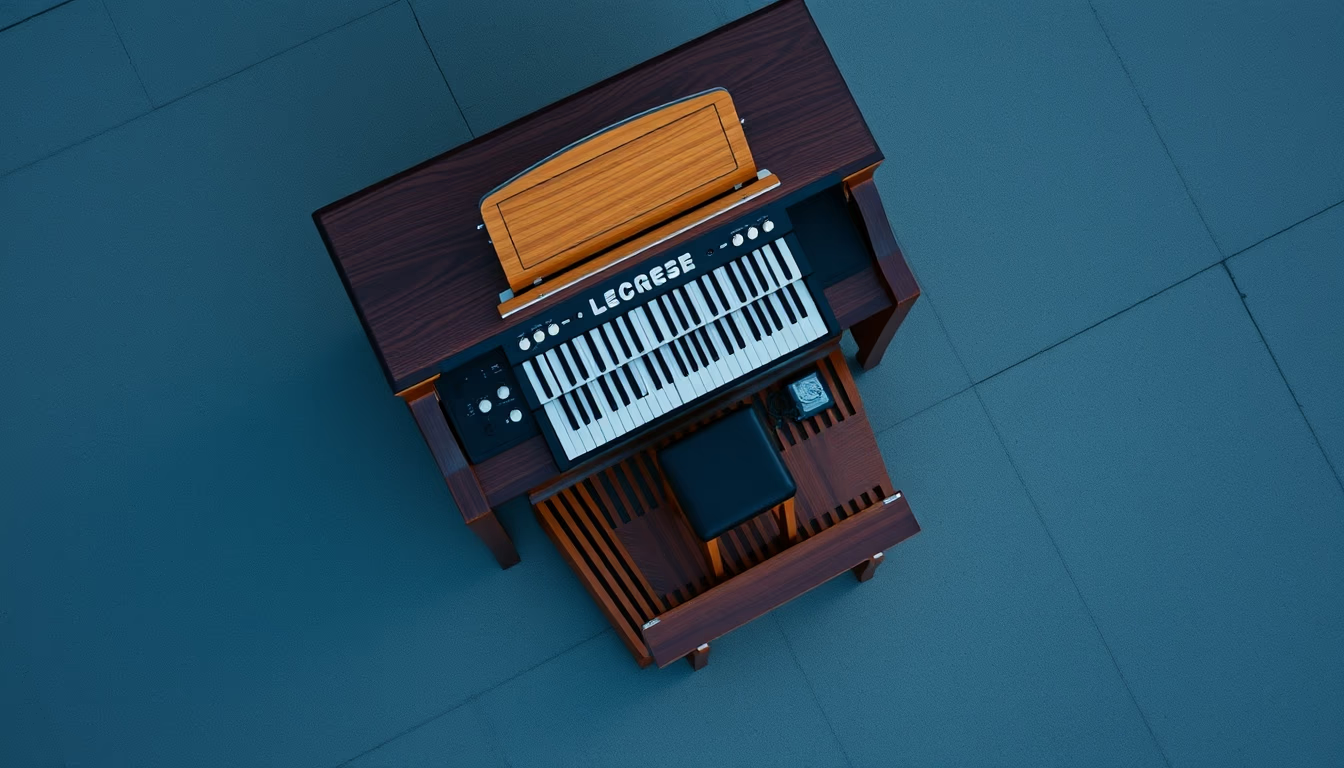
The Hammond electric organ, invented in the 1930s, revolutionized music with its unique tonewheel-generated sound.
About this subject
The Hammond electric organ was developed by Laurens Hammond and his company in 1935 in Evanston, Illinois. Unlike pipe organs, it used a system of tonewheels that generated electrical signals through electromagnetic principles, eliminating the need for tubes or valves. This allowed a more compact and affordable instrument, quickly adopted in churches, dance halls, and recording studios.
The most iconic model is the B-3, launched in 1955, often associated with jazz, blues, soul, and rock. Artists like Jimmy Smith, Booker T. Jones, and Keith Emerson popularized the instrument, which became synonymous with expressiveness and versatility. The combination of manuals, bass pedals, and the famous drawbars allowed precise timbral control, creating sounds from soft and pastoral to vibrant and aggressive.
A technical curiosity: the original Hammond B-3 weighs about 193 kg, requiring a specially designed motor to spin the tonewheels. The legendary sound also depends on the Leslie speaker, which uses a rotating system to create tremolo and chorus effects. Although modern models are digital, the analog sound of vintage Hammonds remains a reference and highly valued by musicians and collectors.
The Hammond legacy goes beyond stages. It influenced the design of subsequent synthesizers and electronic organs, and its presence in classic recordings is so striking that many producers still seek the authentic timbre. In 2019, the Hammond brand was revitalized with new models, keeping alive the tradition of this instrument that helped shape 20th-century popular music.
Frequently Asked Questions
How does the tonewheel system of the Hammond organ work?
A synchronous motor spins toothed wheels (tonewheels) with specific notches. Near each wheel, an electromagnetic pickup generates an electrical signal whose frequency depends on the rotation speed and notch count, producing pure notes that are mixed by the drawbars.
What is the difference between a Hammond B-3 and a C-3?
The B-3 and C-3 are mechanically identical inside. The difference lies in the cabinet: the B-3 has detachable legs and walnut finish, while the C-3 is a church model with continuous legs and oak finish, plus vibrato controls on the top.
Why is the Leslie speaker essential for the Hammond sound?
The Leslie uses a rotating drum and horn to create a Doppler effect (tremolo and chorus), adding movement and depth to the sound. This effect became inseparable from the classic Hammond timbre, though the organ can be played without it, but loses part of its sonic signature.
Direct URL
https://pub-c7d6a6ea828543ac903a74a341ccb2e1.r2.dev/imagens/electric-organ-hammond-aerial-drone-shot-p7.avifHow to credit
Include a visible link back to UtilizAí. Copy one of the snippets below:
<a href="https://xn--utiliza-eza.com/en/midia/imagens/electric-organ-hammond-aerial-drone-shot-p7">Electric organ hammond</a> by <a href="https://xn--utiliza-eza.com">UtilizAí</a>, licensed under <a href="https://creativecommons.org/licenses/by/4.0/">CC BY 4.0</a>.
[Electric organ hammond](https://xn--utiliza-eza.com/en/midia/imagens/electric-organ-hammond-aerial-drone-shot-p7) by [UtilizAí](https://xn--utiliza-eza.com), CC BY 4.0
License: CC-BY-4.0