Eden project cornwall biome
1344×768 · JPG · CC BY 4.0
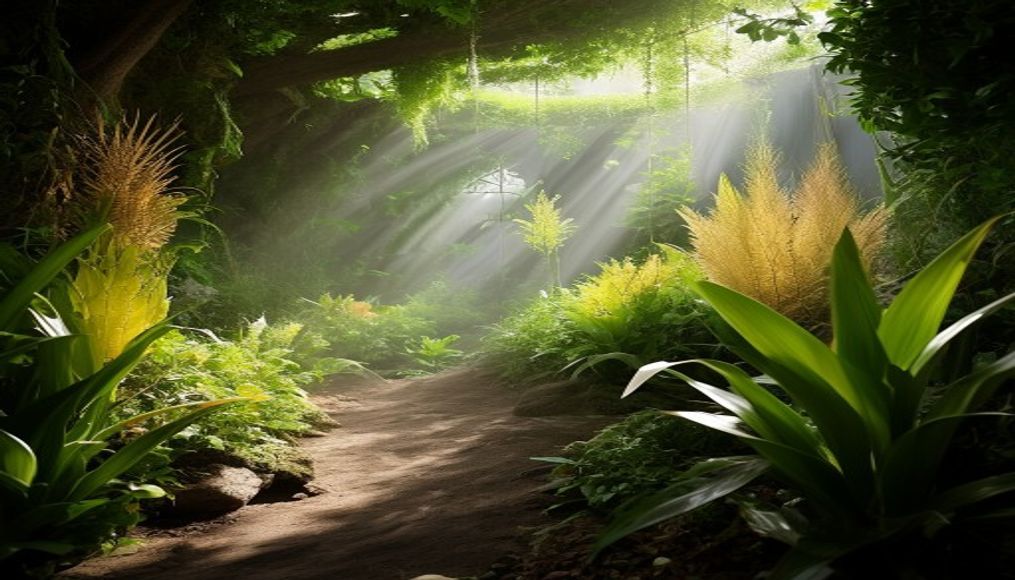
The Eden Project in Cornwall, UK, houses massive geodesic biomes that recreate global ecosystems, such as rainforest and Mediterranean.
About this subject
The Eden Project is an environmental and educational complex located in Cornwall, southwest England. Opened in 2001, it was built in a former kaolin clay pit, transforming a degraded landscape into one of the world's largest botanic gardens. Its most iconic feature are the biomes: enormous geodesic structures made of steel and ETFE (a transparent polymer that is lighter and more durable than glass), housing plant collections from different climates. The largest, the Rainforest Biome, covers 1.5 hectares and recreates a humid tropical rainforest, with trees up to 30 meters tall, waterfalls, and endangered species from regions like the Amazon, Borneo, and Madagascar. The Mediterranean Biome features a mild, dry climate showcasing plants from California, South Africa, and the Mediterranean Basin, including centuries-old olive trees and vineyards.
The project goes beyond botanical display: it promotes research on sustainability, species conservation, and environmental education. The structures were designed to minimize energy use, employing natural ventilation and solar panels. The Eden Project also hosts cultural events such as concerts and art exhibitions, and runs a global pollination program called 'Wave Pollinations', connecting botanic gardens and communities to protect pollinators.
A curiosity: the ETFE used in the biomes is lighter than glass, allows high light transmission, and is recyclable. Each hexagonal bubble is inflated with air, creating a stable microclimate. The Rainforest Biome maintains temperatures between 25°C and 35°C and humidity above 80%, requiring sophisticated irrigation systems. Visitors can walk on suspended walkways among the tree canopies, experiencing biodiversity up close.
The Eden Project is considered a landmark of sustainable architecture and has received over 20 million visitors since opening. Its influence extends globally, inspiring similar ecological regeneration projects. The blend of science, education, and tourism makes it a notable example of how humanity can positively interact with nature.
Frequently Asked Questions
What are the biomes of the Eden Project?
They are large geodesic structures that recreate specific climates. The Rainforest Biome simulates a humid tropical rainforest, while the Mediterranean Biome replicates a dry Mediterranean climate, hosting plants from various regions.
What is the purpose of the Eden Project?
The Eden Project combines a botanical garden, environmental education center, and research facility. Its aim is to promote sustainability, conserve endangered species, and inspire visitors about the relationship between plants and people.
Is the Eden Project sustainable?
Yes, the project uses lightweight materials like ETFE, natural ventilation, and solar energy. It was built on a reclaimed mine site, demonstrating environmental regeneration.
Direct URL
https://pub-c7d6a6ea828543ac903a74a341ccb2e1.r2.dev/imagens/eden-project-cornwall-biome-documentary-photography-p3.jpgHow to credit
Include a visible link back to UtilizAí. Copy one of the snippets below:
<a href="https://xn--utiliza-eza.com/en/midia/imagens/eden-project-cornwall-biome-documentary-photography-p3">Eden project cornwall biome</a> by <a href="https://xn--utiliza-eza.com">UtilizAí</a>, licensed under <a href="https://creativecommons.org/licenses/by/4.0/">CC BY 4.0</a>.
[Eden project cornwall biome](https://xn--utiliza-eza.com/en/midia/imagens/eden-project-cornwall-biome-documentary-photography-p3) by [UtilizAí](https://xn--utiliza-eza.com), CC BY 4.0
License: CC-BY-4.0