Douro valley terraces
1344×768 · AVIF · CC BY 4.0
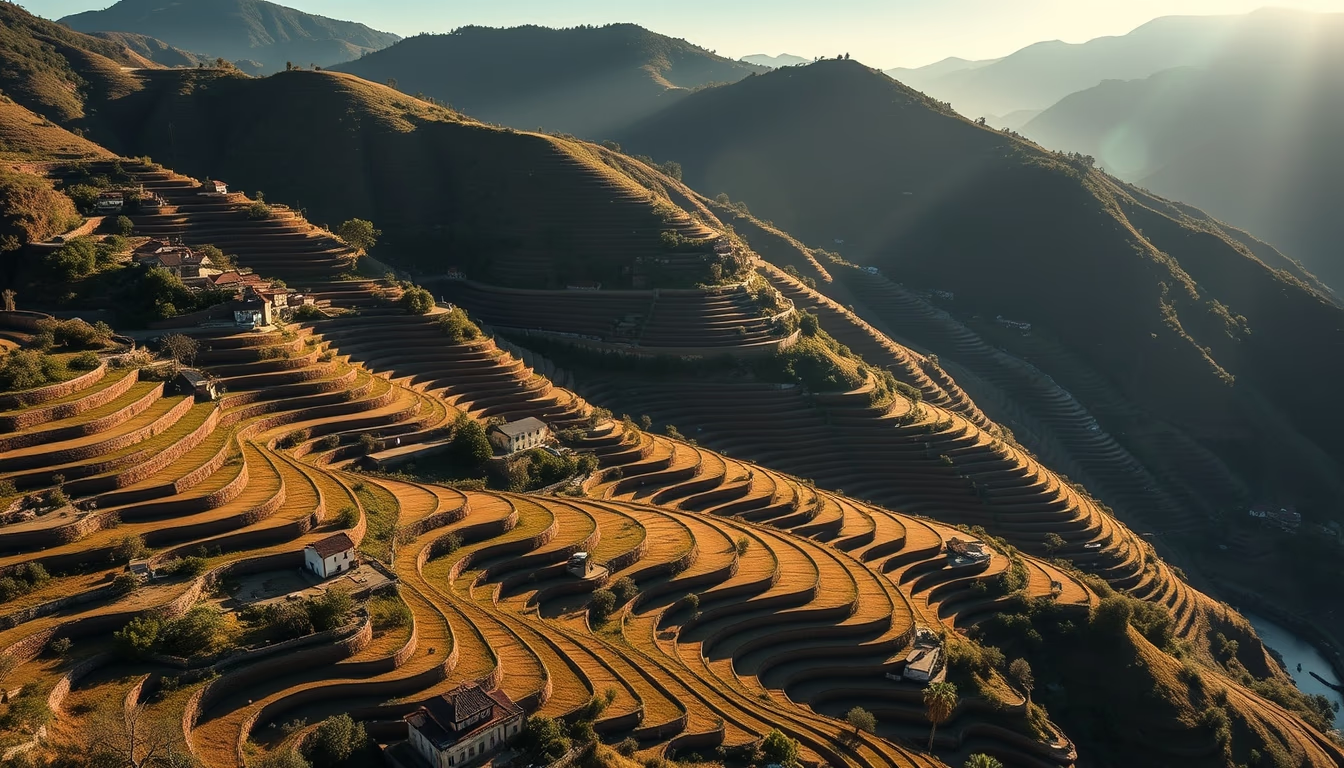
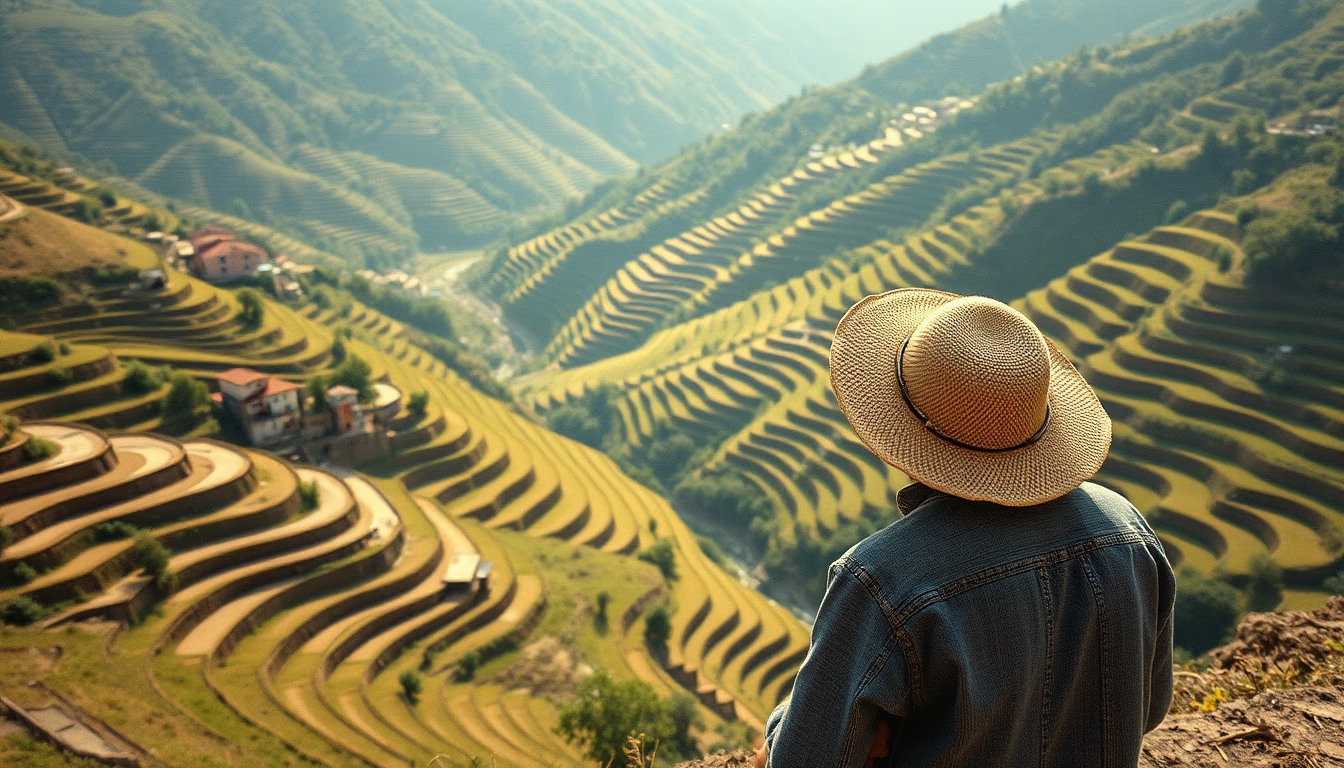
The terraced vineyards of the Douro Valley in Portugal create a centuries-old wine landscape, a UNESCO World Heritage site.
About this subject
The Douro Valley, located in northern Portugal, is one of the oldest and most iconic wine regions in the world. Its steep slopes have been carved into terraces over centuries, a cultivation technique that allows vineyards to thrive on rugged terrain. Known as "socalcos" in Portuguese, these terraces not only optimize land use but also create a unique microclimate: the schist walls retain heat at night and protect the vines from cold winds. The region was demarcated in 1756, making it the world's first regulated wine denomination, and since 2001 it has been a UNESCO World Heritage site.
The primary production of the Douro Valley is Port wine, a world-famous fortified wine, but high-quality still reds and whites also stand out. Indigenous grape varieties such as Touriga Nacional, Tinta Roriz, and Touriga Franca are cultivated in schist and granite soils, which impart minerality and complexity to the wines. The terraces require intensive manual labor and traditional techniques like pruning and harvesting, often carried out by families who have lived in the region for generations.
Beyond wine production, the Douro landscape exemplifies the harmony between humans and nature. The Douro River meanders through the valley, offering cruise routes and spectacular views. Small estates and stone villages dot the hills, preserving centuries-old traditions. The region attracts tourists from around the world who come to taste wines, explore historic wineries, and drive along the N222 road, considered one of the most beautiful roads on the planet.
Interestingly, the terrace technique is not exclusive to the Douro, but here it reached its peak of ingenuity. The dry stone walls, built without mortar, are true works of art that demonstrate the empirical knowledge of local winemakers. Each terrace is a micro-ecosystem that contributes to biodiversity, hosting plants and animals typical of the region.
Frequently Asked Questions
Why does the Douro Valley have terraces?
The terraces were built to allow vineyards to grow on very steep and rocky slopes, optimizing land use and creating a favorable microclimate with heat retention and wind protection.
What kind of wine is produced in the Douro?
The region is famous for Port wine, a fortified wine, but also produces high-quality still red and white wines using grapes like Touriga Nacional, Tinta Roriz, and Touriga Franca.
Is the Douro Valley a World Heritage site?
Yes, since 2001 the Alto Douro wine region has been recognized as a UNESCO World Heritage site for its unique cultural landscape and centuries-old winemaking tradition.
Direct URL
https://pub-c7d6a6ea828543ac903a74a341ccb2e1.r2.dev/imagens/douro-valley-terraces-fine-art-photography-fresh10.avifHow to credit
Include a visible link back to UtilizAí. Copy one of the snippets below:
<a href="https://xn--utiliza-eza.com/en/midia/imagens/douro-valley-terraces-fine-art-photography-fresh10">Douro valley terraces</a> by <a href="https://xn--utiliza-eza.com">UtilizAí</a>, licensed under <a href="https://creativecommons.org/licenses/by/4.0/">CC BY 4.0</a>.
[Douro valley terraces](https://xn--utiliza-eza.com/en/midia/imagens/douro-valley-terraces-fine-art-photography-fresh10) by [UtilizAí](https://xn--utiliza-eza.com), CC BY 4.0
License: CC-BY-4.0