Douro valley terraces
1344×768 · AVIF · CC BY 4.0
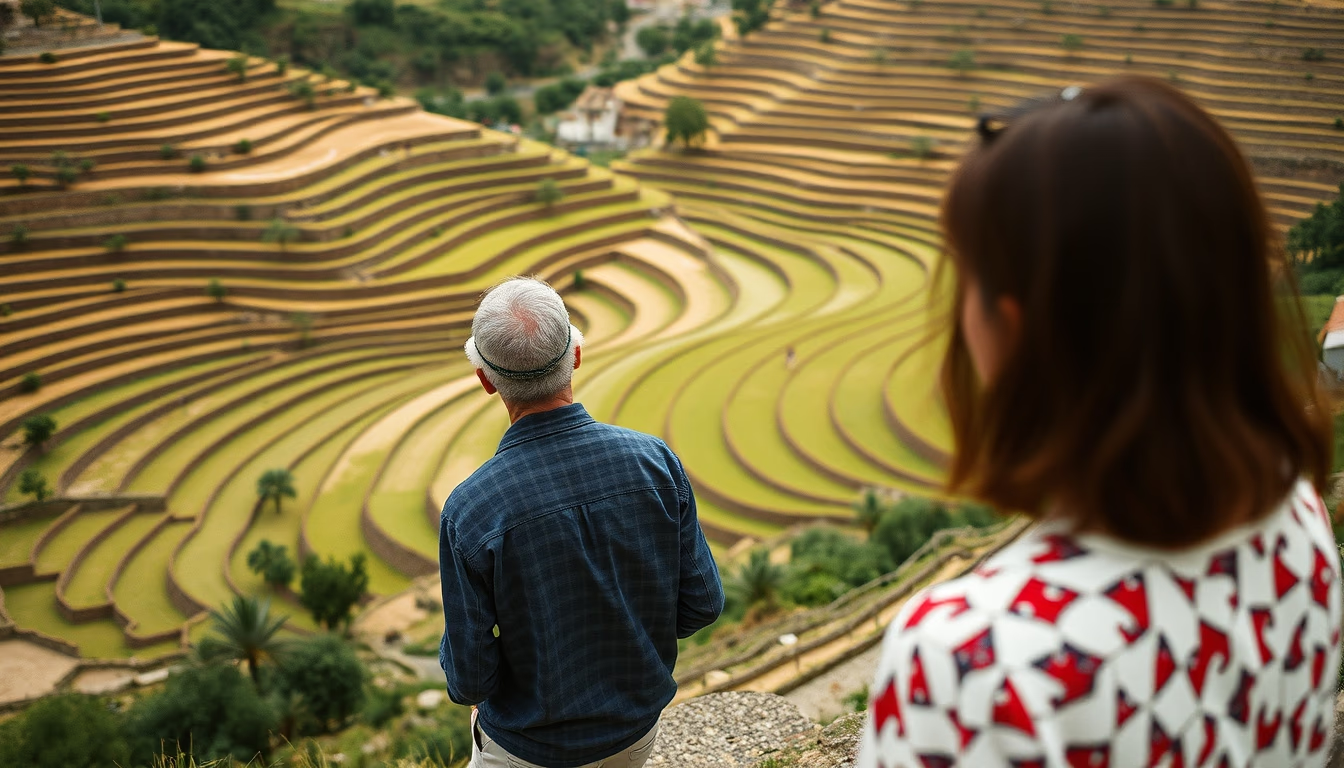
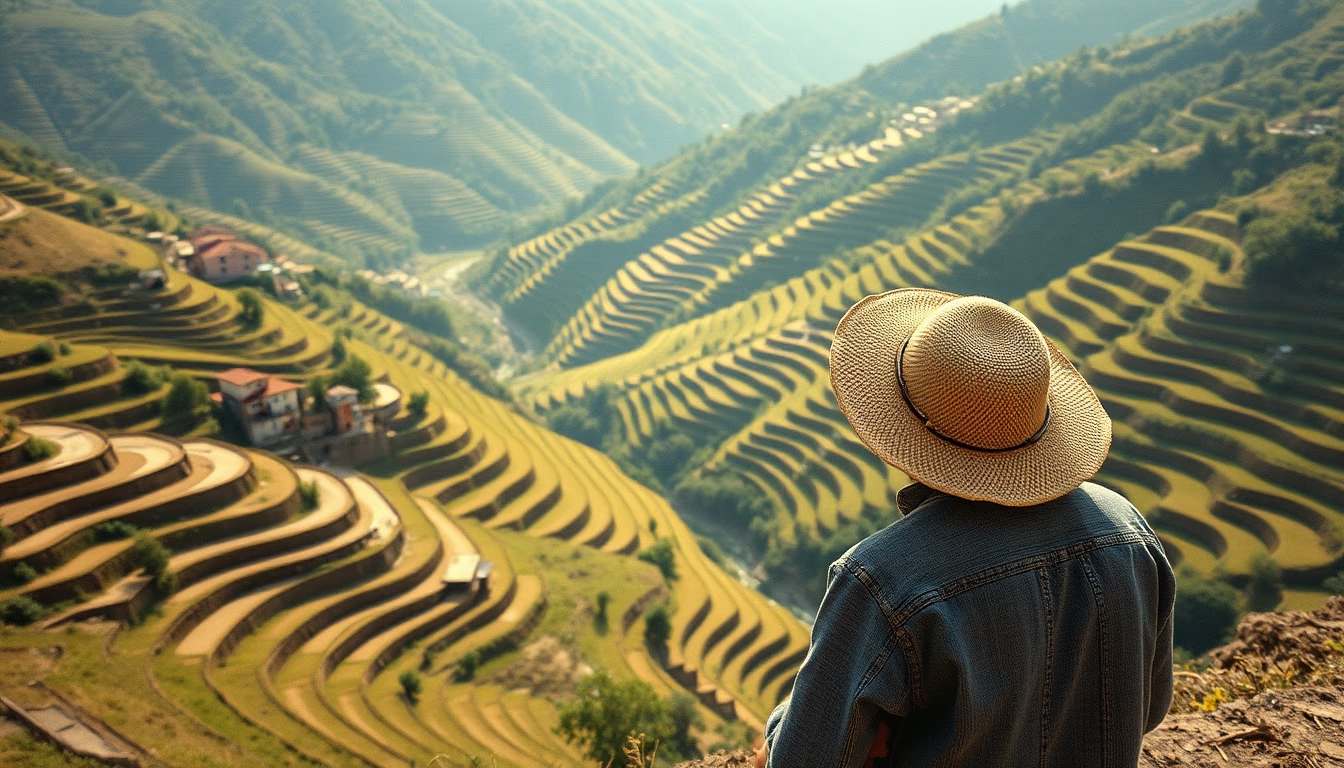
The terraces of the Douro Valley in Portugal are an iconic example of heroic agriculture and a UNESCO World Heritage site.
About this subject
The steep slopes of the Douro Valley in northern Portugal have been transformed over centuries into a mosaic of terraces that support one of the oldest and most prestigious wine regions in the world. Dating back to the 18th century, these structures were manually carved into schist and granite to allow vine cultivation on gradients up to 60 degrees. The terrace system not only maximizes sun exposure and water drainage but also prevents soil erosion, a constant challenge along the banks of the Douro River.
The region was demarcated in 1756 by the Marquis of Pombal, making it the oldest controlled appellation in the world. The Douro Valley is especially famous for producing Port wine, a fortified wine aged in cellars in Vila Nova de Gaia. However, in recent decades, it has also gained prominence for high-quality dry red wines made from grape varieties such as Touriga Nacional, Tinta Roriz, and Touriga Franca.
In 2001, UNESCO declared the Alto Douro Wine Region a World Heritage site, recognizing the cultural landscape shaped by human labor over generations. The terraces stand as a testament to adaptation to the harsh terrain and the viticultural tradition that persists today. Every autumn, the slopes take on golden and red hues during the harvest, attracting tourists and wine enthusiasts from around the world.
Culturally, the Douro terraces represent a symbiosis between nature and culture. The quintas (rural estates) often include stone lagares where grapes were traditionally trodden. Although mechanization has advanced, manual harvesting is still common on the steepest and oldest plots, preserving knowledge passed down from parents to children.
Frequently Asked Questions
Why are the Douro Valley terraces important for wine production?
The terraces allow vine cultivation on very steep slopes, maximizing sun exposure, improving drainage, and preventing erosion. They are essential for the heroic viticulture of the region, where the terrain is challenging.
Is the Douro Valley a UNESCO World Heritage site?
Yes, since 2001, the Alto Douro Wine Region has been recognized as a UNESCO World Heritage site due to its unique cultural landscape, reflecting centuries of winemaking tradition.
What types of wine are produced in the Douro Valley?
The Douro Valley is famous for Port wine, a fortified wine, but also produces high-quality dry red wines from grape varieties such as Touriga Nacional, Tinta Roriz, and Touriga Franca.
Direct URL
https://pub-c7d6a6ea828543ac903a74a341ccb2e1.r2.dev/imagens/douro-valley-terraces-film-grain-authentic-fresh16.avifHow to credit
Include a visible link back to UtilizAí. Copy one of the snippets below:
<a href="https://xn--utiliza-eza.com/en/midia/imagens/douro-valley-terraces-film-grain-authentic-fresh16">Douro valley terraces</a> by <a href="https://xn--utiliza-eza.com">UtilizAí</a>, licensed under <a href="https://creativecommons.org/licenses/by/4.0/">CC BY 4.0</a>.
[Douro valley terraces](https://xn--utiliza-eza.com/en/midia/imagens/douro-valley-terraces-film-grain-authentic-fresh16) by [UtilizAí](https://xn--utiliza-eza.com), CC BY 4.0
License: CC-BY-4.0