Douro valley terraces
1344×768 · AVIF · CC BY 4.0
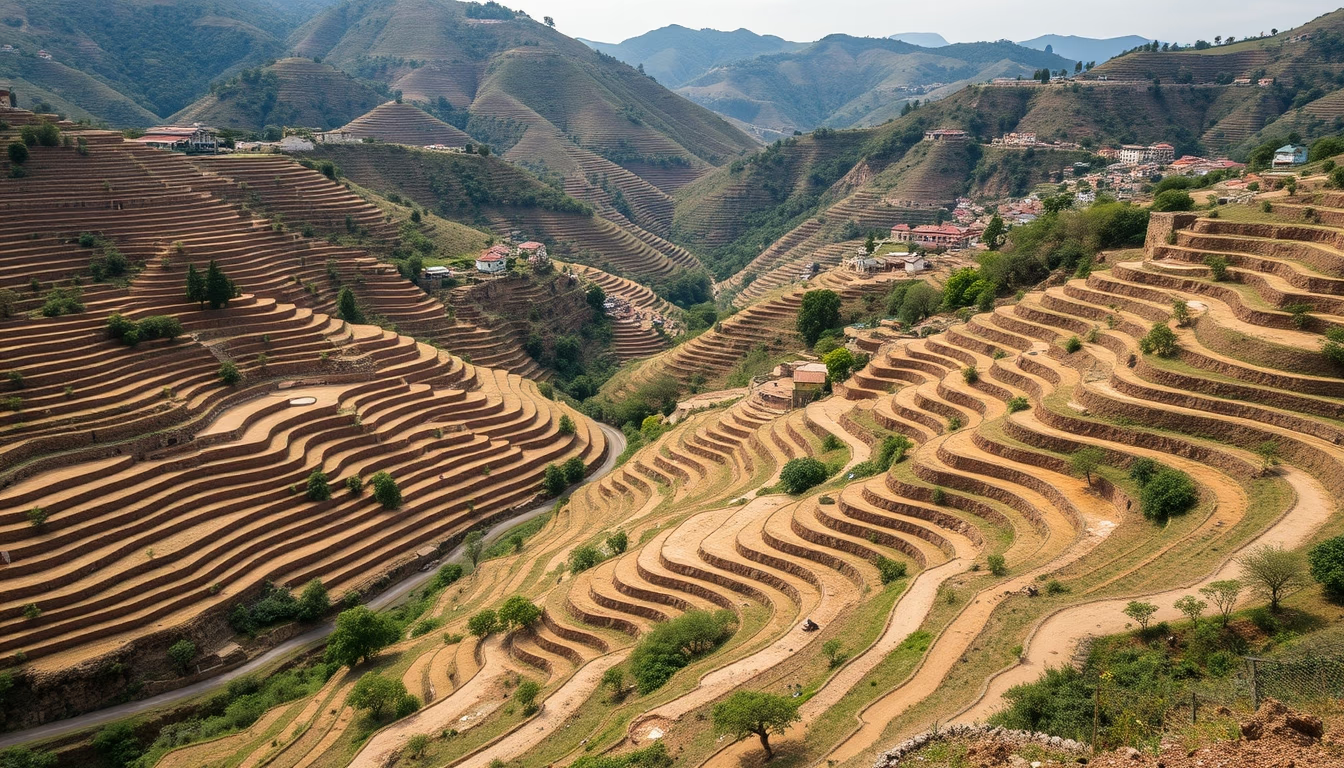
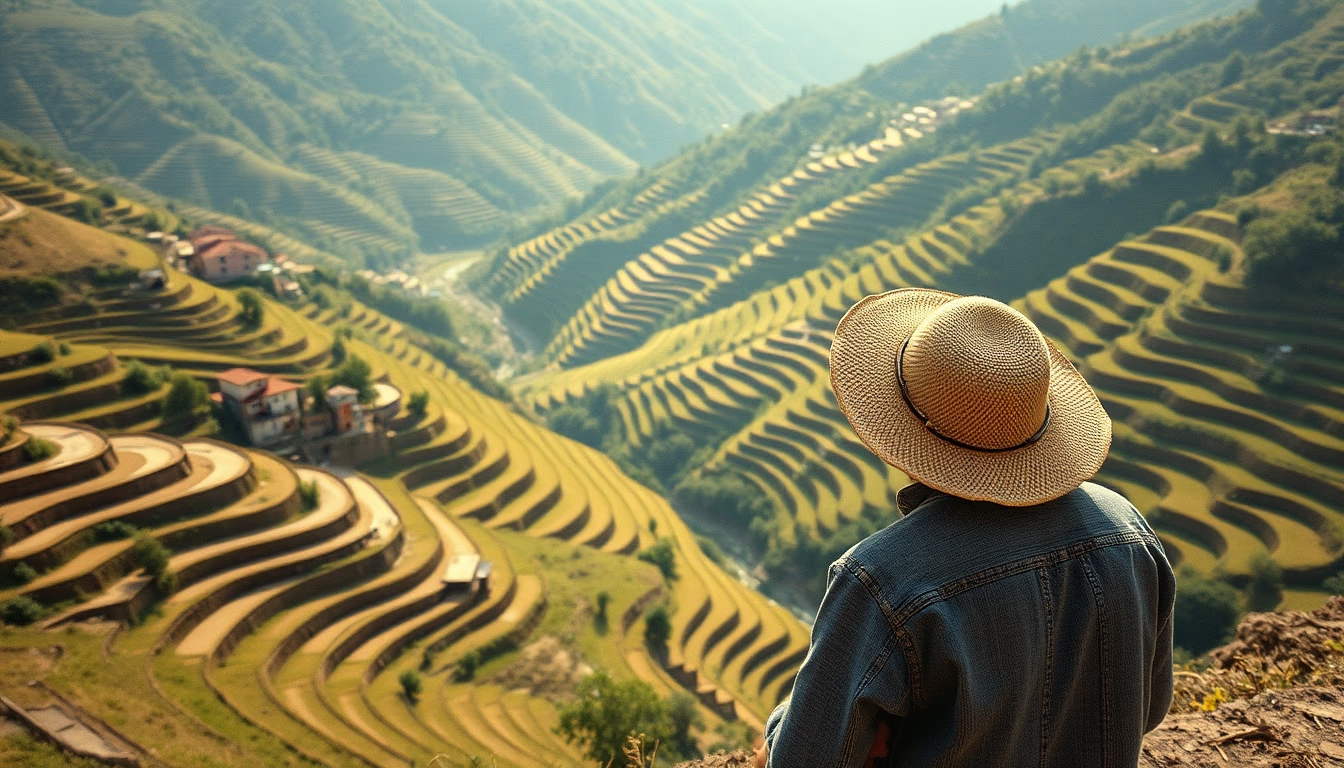
The Douro Valley terraces, a UNESCO World Heritage site, are a stunning example of steep-slope viticulture, with centuries-old vineyards producing the famous Port wine.
About this subject
The Douro Valley in Portugal is renowned for its terraces carved into steep schist slopes, forming a unique cultural landscape. These terraces, built manually over centuries, allow grape cultivation on challenging terrain by maximizing sun exposure and water drainage. The region was demarcated in 1756, making it the oldest regulated wine region in the world, and was designated a UNESCO World Heritage site in 2001.
The terraces are essential for producing Port wine and high-quality Douro wines. Traditional grape varieties include Touriga Nacional, Tinta Roriz, Touriga Franca, Tinta Barroca, and Tinto Cão. The Mediterranean climate with Atlantic influence, combined with the schist soil, imparts unique characteristics to the wines. Terrace construction involves ancient dry-stone techniques that prevent erosion and maintain soil fertility.
The Douro landscape is dynamic, featuring different terrace styles: narrow ancient terraces, wider 20th-century patamares, and modern vinha ao alto (vertical trellising). This evolution reflects continuous adaptation by viticulturists to natural conditions and market demands. The region is also a popular tourist destination, with river cruises and wine routes along the Douro River.
Frequently Asked Questions
Why are the Douro terraces considered a World Heritage site?
The Douro terraces were inscribed as a UNESCO World Heritage site in 2001 for representing an evolving and living cultural landscape that harmoniously combines human intervention with nature, serving as a remarkable example of steep-slope viticulture.
How are the terraces built in the Douro Valley?
The terraces are built manually using schist stones stacked without mortar, forming retaining walls that create flat platforms for cultivation. This ancient technique prevents erosion and maximizes the use of steep terrain.
Which grape varieties are grown on the Douro terraces?
The main grape varieties grown are Touriga Nacional, Tinta Roriz, Touriga Franca, Tinta Barroca, and Tinto Cão. These varieties are traditionally used in the production of Port wine and Douro wines with denomination of origin.
Direct URL
https://pub-c7d6a6ea828543ac903a74a341ccb2e1.r2.dev/imagens/douro-valley-terraces-documentary-nature-style-fresh13.avifHow to credit
Include a visible link back to UtilizAí. Copy one of the snippets below:
<a href="https://xn--utiliza-eza.com/en/midia/imagens/douro-valley-terraces-documentary-nature-style-fresh13">Douro valley terraces</a> by <a href="https://xn--utiliza-eza.com">UtilizAí</a>, licensed under <a href="https://creativecommons.org/licenses/by/4.0/">CC BY 4.0</a>.
[Douro valley terraces](https://xn--utiliza-eza.com/en/midia/imagens/douro-valley-terraces-documentary-nature-style-fresh13) by [UtilizAí](https://xn--utiliza-eza.com), CC BY 4.0
License: CC-BY-4.0