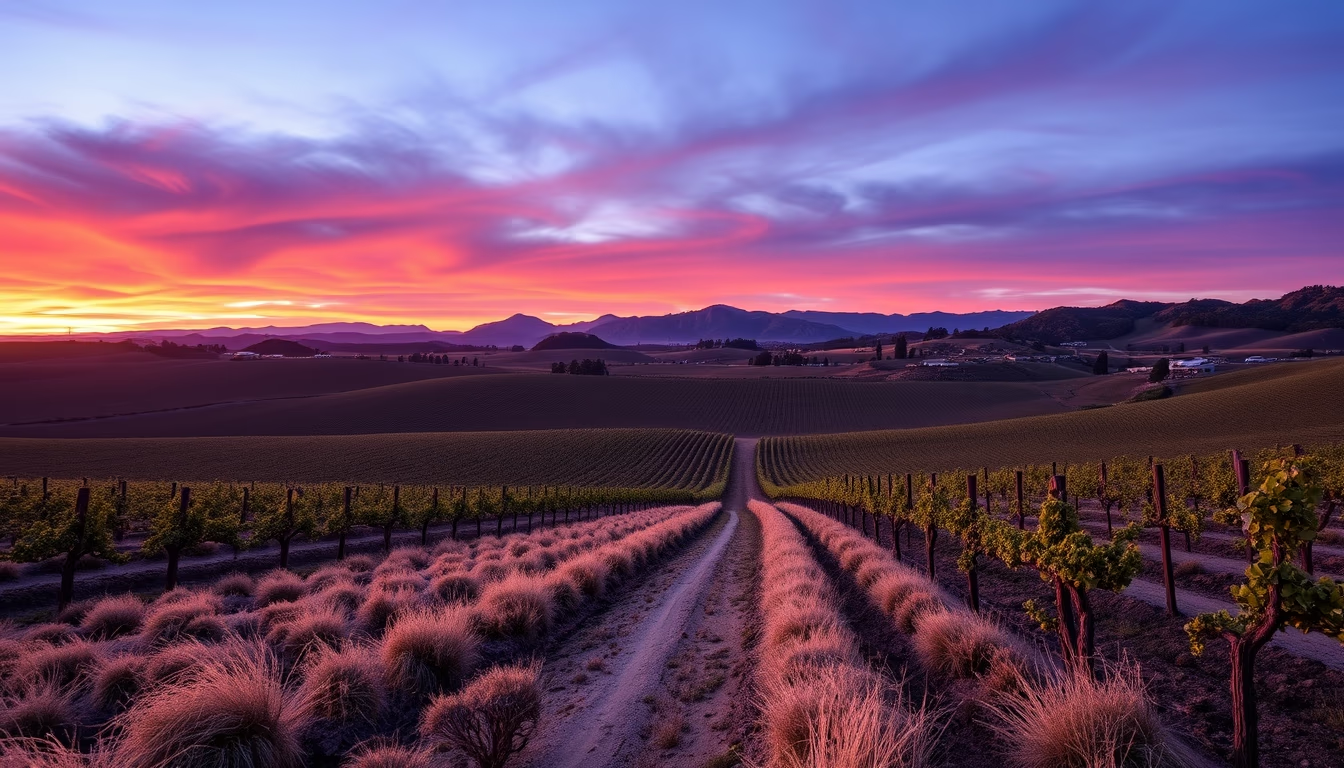
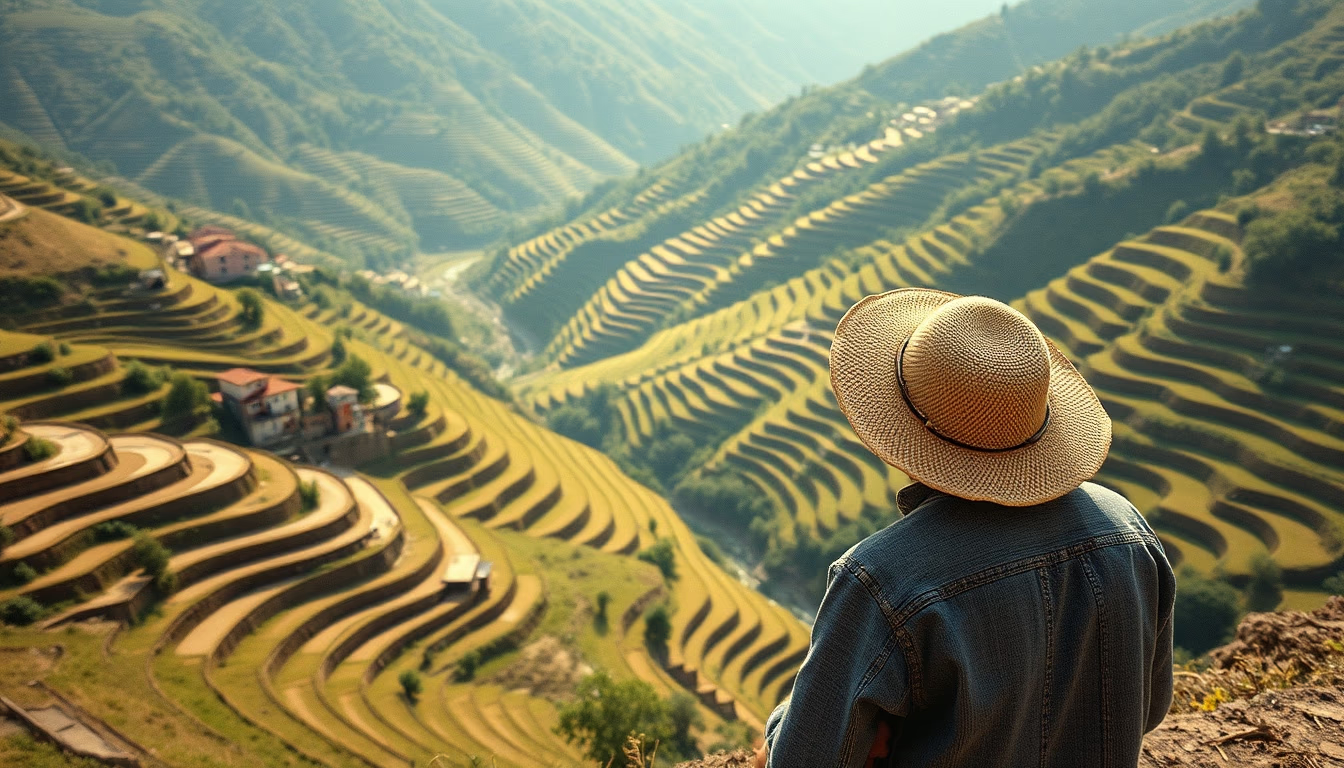
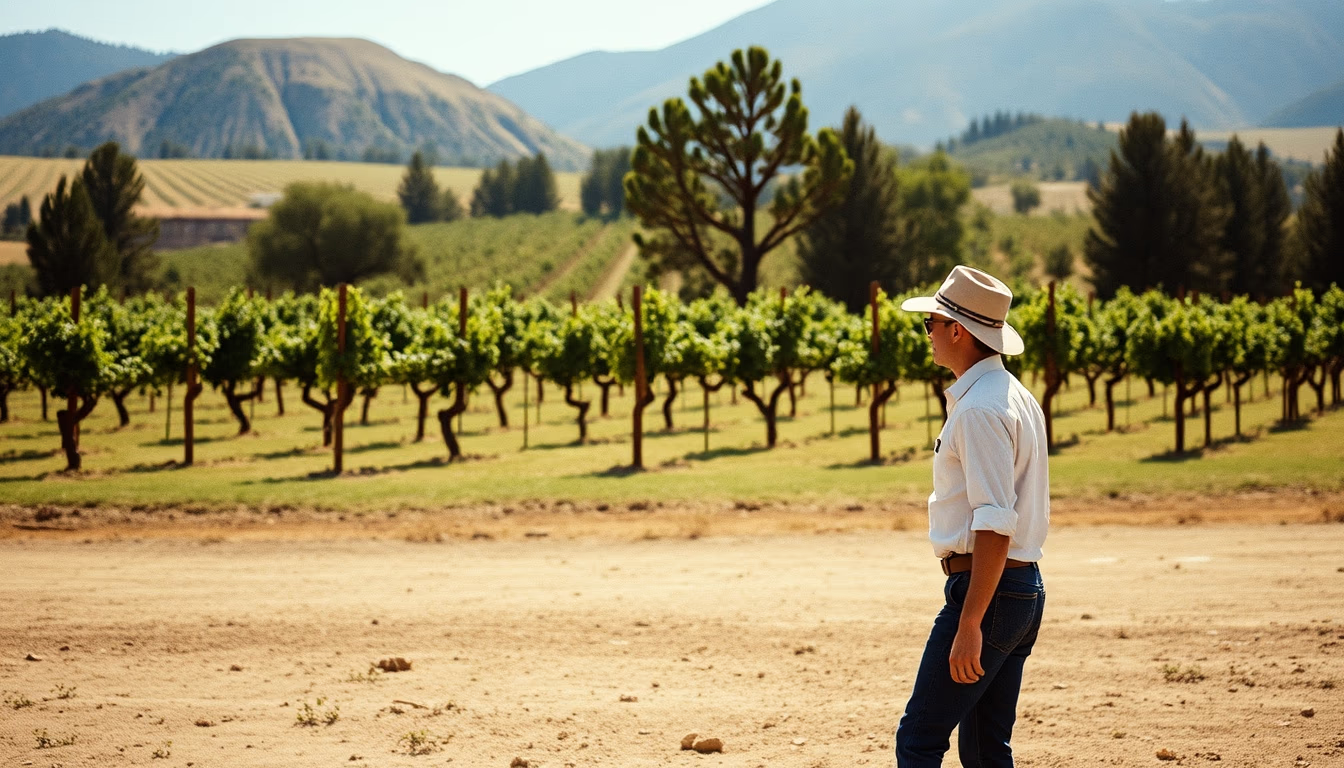
Douro valley terraces
1344×768 · AVIF · CC BY 4.0
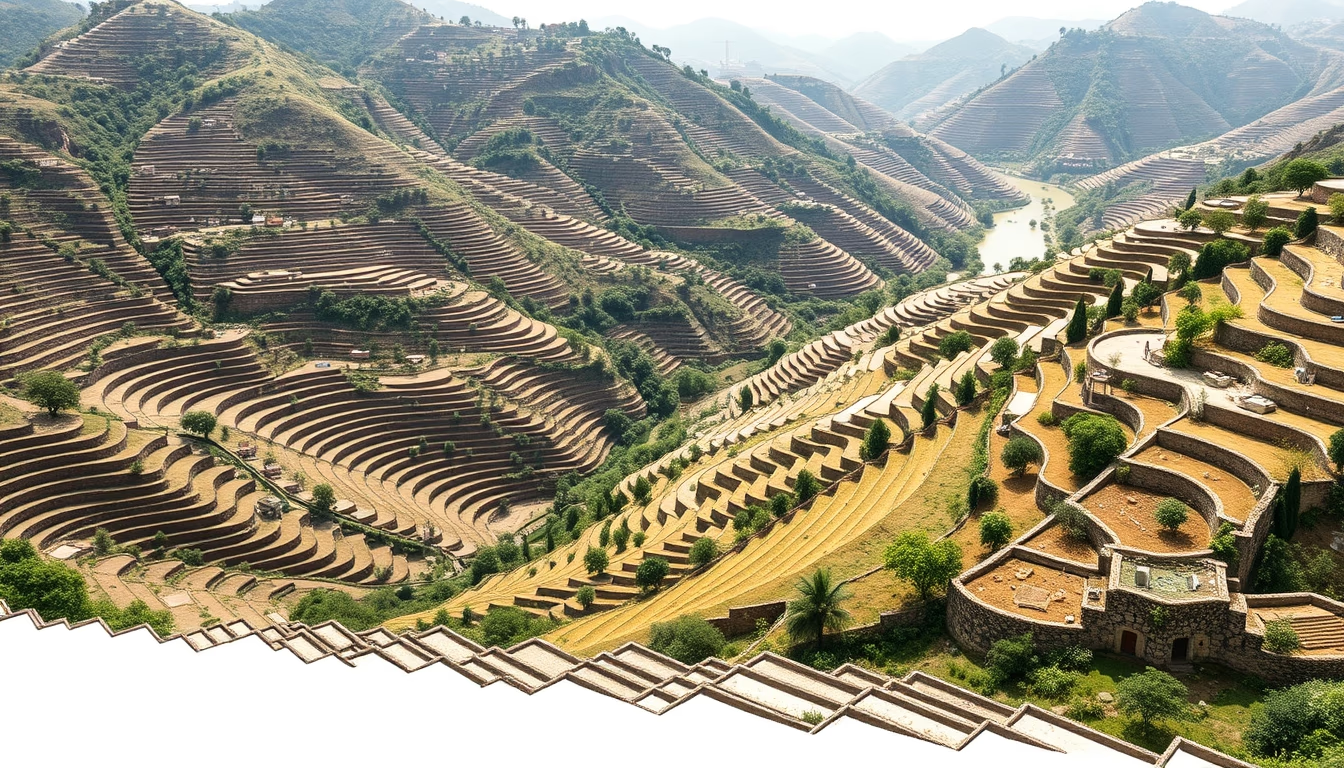
The Douro Valley terraces in Portugal are centuries-old vineyards carved into steep slopes, a UNESCO World Heritage site since 2001.
About this subject
The terraces of the Douro Valley in northern Portugal are among the world's most iconic wine landscapes. Demarcated in 1756, the Douro is the oldest regulated wine region on the planet, and its 'socalcos' (terraces) were hand-built over centuries to allow vine cultivation on slopes of up to 60 degrees.
Construction involved moving vast amounts of schist and granite to create narrow, contour-hugging ledges. The dry-stone walls prevent erosion and store heat during the day, releasing it at night, a microclimate ideal for varieties like Touriga Nacional, Tinta Roriz, and others used for Port and Douro wines.
The Douro is divided into three sub-regions: Baixo Corgo, Cima Corgo, and Douro Superior. The oldest terraces from the 18th century are 'morto' (straight-walled) socalcos, while 19th-century ones introduced curves for limited mechanization. Today, many vineyards have been replanted on wider terraces, but historic socalcos remain protected by UNESCO as a living, evolving cultural landscape.
Beyond Port wine, the region produces excellent still wines under the Douro DOC. The Douro River winds through the valley, and the Linha do Douro railway offers stunning views of the terraces. Every autumn, the vine leaves color the slopes in red and gold, drawing visitors from around the globe.
Frequently Asked Questions
Why are the Douro Valley terraces a UNESCO World Heritage site?
UNESCO recognized the Alto Douro Wine Region in 2001 for its exceptional human adaptation to steep terrain, with terraces reflecting a winemaking tradition spanning over two thousand years.
Which grapes are grown on the Douro terraces?
Key grapes include Touriga Nacional, Tinta Roriz, Touriga Franca, Tinta Barroca, and Tinto Cão, used for Port wine and still Douro DOC wines.
How were the Douro terraces built?
They were hand-built using schist and granite stones stacked without mortar, forming retaining walls that create flat ledges. The process took generations and required immense physical labor.
Direct URL
https://pub-c7d6a6ea828543ac903a74a341ccb2e1.r2.dev/imagens/douro-valley-terraces-commercial-product-photography-fresh12.avifHow to credit
Include a visible link back to UtilizAí. Copy one of the snippets below:
<a href="https://xn--utiliza-eza.com/en/midia/imagens/douro-valley-terraces-commercial-product-photography-fresh12">Douro valley terraces</a> by <a href="https://xn--utiliza-eza.com">UtilizAí</a>, licensed under <a href="https://creativecommons.org/licenses/by/4.0/">CC BY 4.0</a>.
[Douro valley terraces](https://xn--utiliza-eza.com/en/midia/imagens/douro-valley-terraces-commercial-product-photography-fresh12) by [UtilizAí](https://xn--utiliza-eza.com), CC BY 4.0
License: CC-BY-4.0