Dna helix glowing blue
1344×768 · AVIF · CC BY 4.0
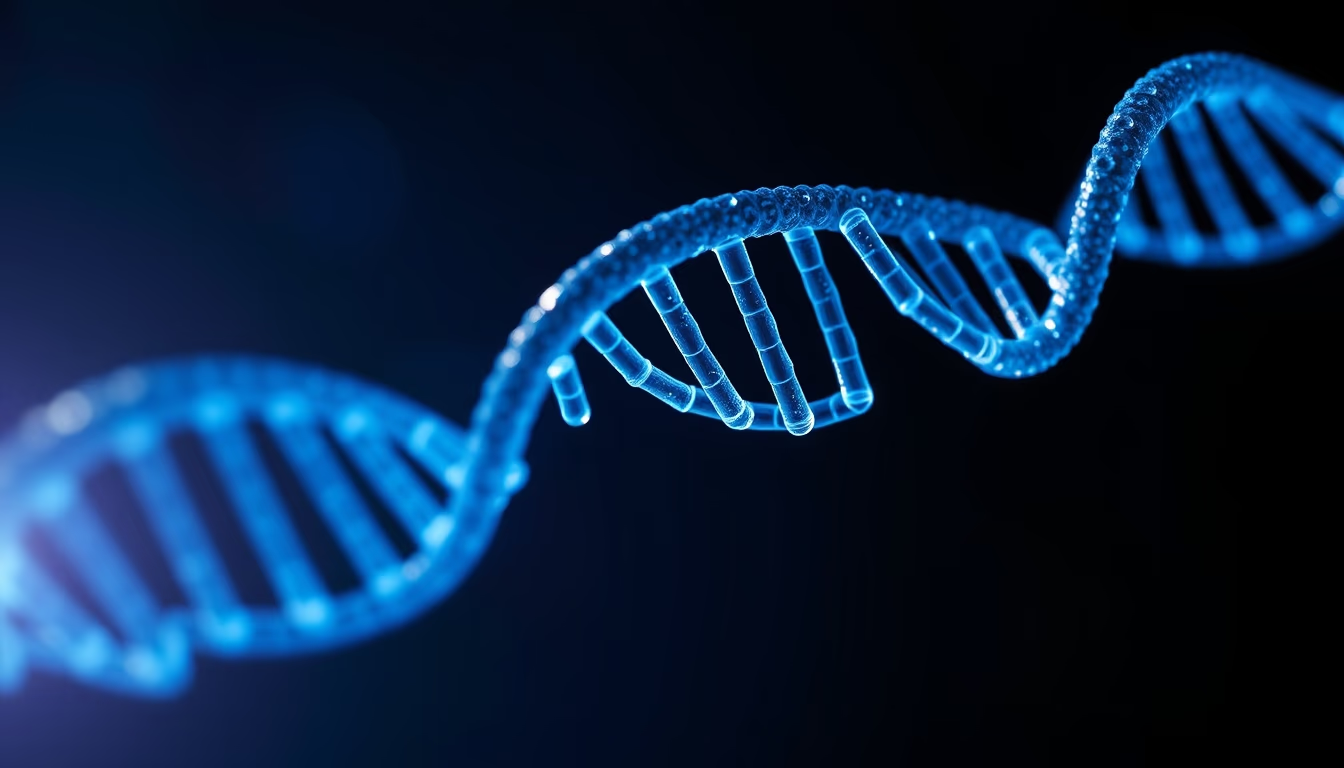
The double helix structure of DNA, depicted in glowing blue, is the blueprint of life and the foundation of modern genetics.
About this subject
DNA (deoxyribonucleic acid) is a molecule that contains the genetic instructions used in the development and functioning of all known living organisms and many viruses. Its double helix structure was discovered by James Watson and Francis Crick in 1953, based on X-ray diffraction data from Rosalind Franklin and Maurice Wilkins. This discovery revolutionized biology, enabling an understanding of how genetic information is stored, replicated, and transmitted.
The DNA molecule consists of two strands wound around each other, forming a spiral ladder. Each rung is composed of nitrogenous base pairs: adenine (A) pairs with thymine (T), and cytosine (C) pairs with guanine (G). This complementarity is essential for faithful DNA replication during cell division. In human cells, DNA is organized into 23 pairs of chromosomes in the nucleus, totaling approximately 3 billion base pairs.
The glowing blue representation is not merely aesthetic: fluorescence techniques, such as using dyes like DAPI or GFP, allow DNA visualization in microscopy. Moreover, blue is often associated with biotechnology, such as CRISPR-Cas9 gene editing, which enables precise cutting and modification of specific DNA sequences. Applications range from gene therapy to molecular agriculture.
The study of DNA has profound implications in forensic science, diagnosis of hereditary diseases, evolution, and even archaeology through ancient DNA analysis. Understanding the helical structure paved the way for genomic sequencing, now rapid and affordable, enabling personalized medicine and the discovery of new evolutionary relationships among species.
Frequently Asked Questions
What is the DNA double helix?
The double helix is the three-dimensional structure of DNA, consisting of two intertwined strands. It was discovered in 1953 and is fundamental for storing and transmitting genetic information.
Why is DNA often depicted in blue?
Blue is used artistically and in fluorescence microscopy, where dyes like DAPI emit blue light when bound to DNA. It is also associated with biotechnology and modern science.
What are practical applications of DNA research?
Applications include diagnosing genetic diseases, personalized medicine, gene therapy, forensic investigation, developing genetically modified organisms, and evolutionary studies.
Direct URL
https://pub-c7d6a6ea828543ac903a74a341ccb2e1.r2.dev/imagens/dna-helix-glowing-blue-magazine-editorial-p10.avifHow to credit
Include a visible link back to UtilizAí. Copy one of the snippets below:
<a href="https://xn--utiliza-eza.com/en/midia/imagens/dna-helix-glowing-blue-magazine-editorial-p10">Dna helix glowing blue</a> by <a href="https://xn--utiliza-eza.com">UtilizAí</a>, licensed under <a href="https://creativecommons.org/licenses/by/4.0/">CC BY 4.0</a>.
[Dna helix glowing blue](https://xn--utiliza-eza.com/en/midia/imagens/dna-helix-glowing-blue-magazine-editorial-p10) by [UtilizAí](https://xn--utiliza-eza.com), CC BY 4.0
License: CC-BY-4.0