Dna helix glowing blue
1344×768 · AVIF · CC BY 4.0
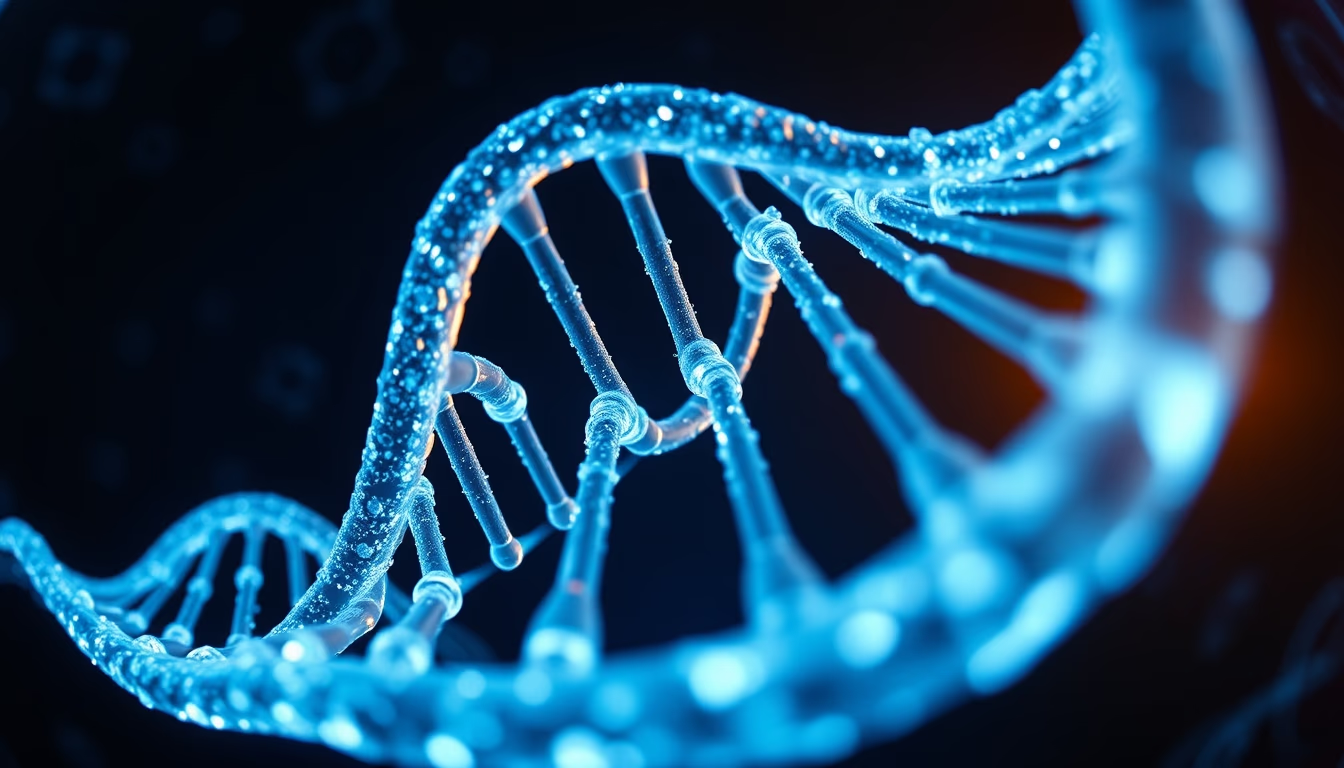
The DNA helix is the molecular structure that carries genetic information of all living beings, essential for heredity and biotechnology.
About this subject
The DNA double helix, discovered by Watson and Crick in 1953, is a three-dimensional structure formed by two nucleotide strands coiled around each other. Each nucleotide contains a sugar (deoxyribose), a phosphate group, and a nitrogenous base (adenine, thymine, cytosine, or guanine). Bases pair specifically: adenine with thymine and cytosine with guanine, maintaining structure stability through hydrogen bonds. DNA is found in the nucleus of eukaryotic cells and in organelles like mitochondria, and in prokaryotes within the nucleoid.
The primary function of DNA is to store and transmit genetic information during cell replication and protein synthesis. Through the genetic code, base sequences determine the order of amino acids in proteins, processes vital for cellular function. Mutations in DNA can cause genetic diseases but also drive evolution. Technologies like DNA sequencing, CRISPR, and PCR have revolutionized medicine, agriculture, and forensic biology.
Interestingly, human DNA contains about 3 billion base pairs, and if stretched, a single cell holds approximately 2 meters of DNA. The helical structure was first visualized by Rosalind Franklin using X-ray diffraction, a key contribution to the Watson and Crick model. Today, gene editing allows precise modification of organism DNA, opening therapeutic possibilities for hereditary diseases and crop improvement.
Frequently Asked Questions
What does the double helix structure of DNA mean?
The double helix is how two DNA strands coil together, allowing nitrogenous bases to pair inside. This structure is stable and facilitates replication and transcription of the genetic code.
Why is the discovery of DNA structure important?
The discovery enabled understanding of how genetic information is stored and transmitted, paving the way for molecular genetics, biotechnology, and gene therapies.
How is DNA used in modern biotechnology?
DNA is manipulated in techniques like PCR for amplification, sequencing for gene reading, and CRISPR for gene editing, applied in medicine, agriculture, and research.
Direct URL
https://pub-c7d6a6ea828543ac903a74a341ccb2e1.r2.dev/imagens/dna-helix-glowing-blue-fish-eye-wide-angle-p1.avifHow to credit
Include a visible link back to UtilizAí. Copy one of the snippets below:
<a href="https://xn--utiliza-eza.com/en/midia/imagens/dna-helix-glowing-blue-fish-eye-wide-angle-p1">Dna helix glowing blue</a> by <a href="https://xn--utiliza-eza.com">UtilizAí</a>, licensed under <a href="https://creativecommons.org/licenses/by/4.0/">CC BY 4.0</a>.
[Dna helix glowing blue](https://xn--utiliza-eza.com/en/midia/imagens/dna-helix-glowing-blue-fish-eye-wide-angle-p1) by [UtilizAí](https://xn--utiliza-eza.com), CC BY 4.0
License: CC-BY-4.0