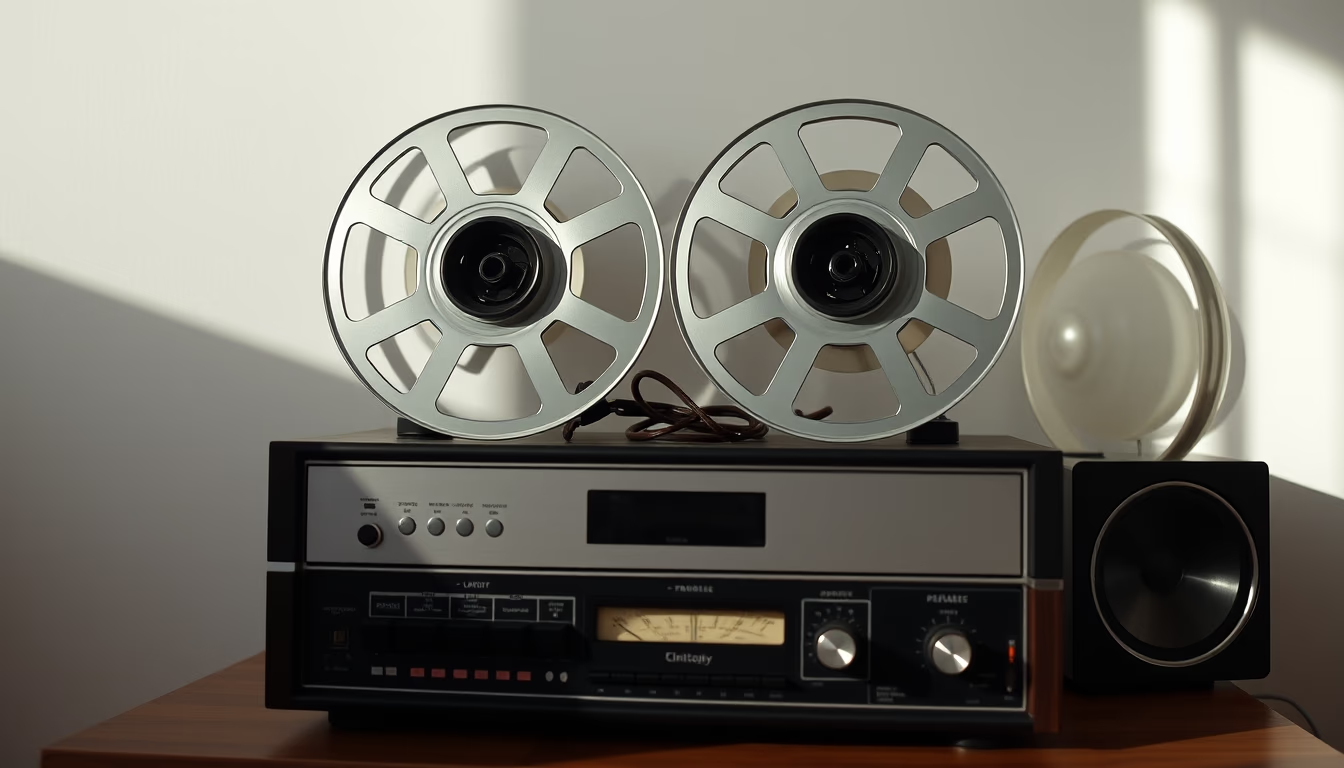
Dat tape recorder
1344×768 · AVIF · CC BY 4.0
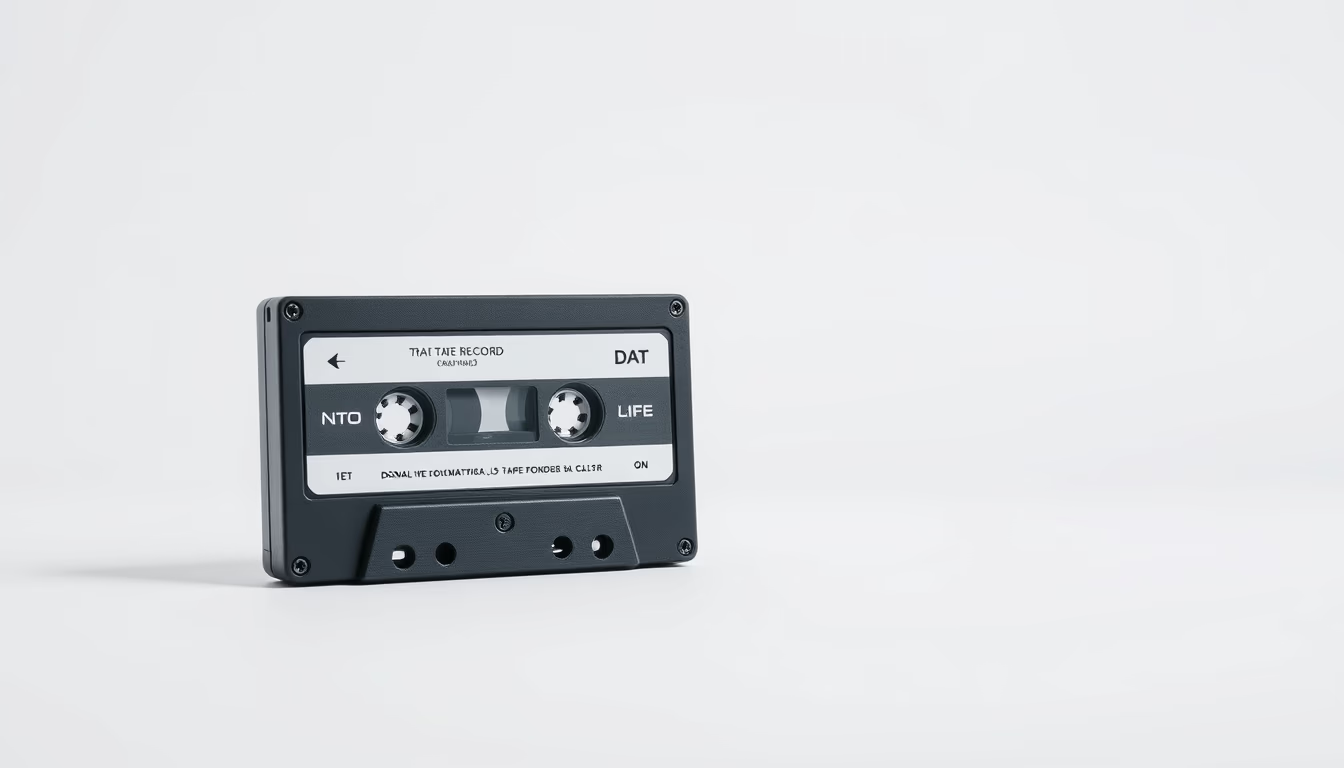
The DAT tape recorder, introduced by Sony in 1987, was a digital audio recording format that bridged the gap between analog tape and modern digital storage, offering CD-quality sound in a compact cassette.
About this subject
The DAT (Digital Audio Tape) was a digital recording format on magnetic tape developed by Sony and launched in 1987. Unlike analog tape recorders, DAT used a rotating helical scan system akin to VCRs, enabling much higher storage density. The tape, housed in a 73 mm × 54 mm cassette, stored digital data at a sampling rate of 48 kHz and 16-bit resolution, matching CD quality.
DAT quickly became the industry standard for mastering and field recording, replacing reel-to-reel and analog cassette recorders. Its portability, noise-free sound, and lossless digital copying transformed audio production in the 1990s. Musicians, sound engineers, and broadcasters adopted it for recording concerts, interviews, and sound effects.
Despite its success, DAT was gradually supplanted by hard disk and flash-based recorders, such as portable PCM recorders and file formats like WAV and FLAC. Production of blank DAT tapes ceased around 2010, and the machines themselves became collector's items. Nevertheless, DAT is remembered as a milestone in digital recording, prized for its reliability and sonic fidelity. Today, enthusiasts restore vintage units and trade master tapes on specialized forums, keeping the nostalgia for this digital-analog hybrid alive.
Frequently Asked Questions
What distinguishes a DAT tape recorder from a regular cassette deck?
DAT records digitally on magnetic tape with CD-quality (48 kHz, 16-bit), whereas standard cassettes are analog and degrade over time. DAT also allows for lossless digital copies.
What were the main uses of DAT recorders?
They were primarily used for album mastering, field recording by journalists and sound engineers, and in broadcasting for capturing programs and sound effects.
Is it still possible to use a DAT recorder today? Where to find tapes and parts?
Yes, but challenging. Blank tapes are no longer produced, but remaining stock can be found on second-hand markets or eBay. Repairs require specialized technicians and parts from donor units.
Direct URL
https://pub-c7d6a6ea828543ac903a74a341ccb2e1.r2.dev/imagens/dat-tape-recorder-commercial-product-photography-fresh17.avifHow to credit
Include a visible link back to UtilizAí. Copy one of the snippets below:
<a href="https://xn--utiliza-eza.com/en/midia/imagens/dat-tape-recorder-commercial-product-photography-fresh17">Dat tape recorder</a> by <a href="https://xn--utiliza-eza.com">UtilizAí</a>, licensed under <a href="https://creativecommons.org/licenses/by/4.0/">CC BY 4.0</a>.
[Dat tape recorder](https://xn--utiliza-eza.com/en/midia/imagens/dat-tape-recorder-commercial-product-photography-fresh17) by [UtilizAí](https://xn--utiliza-eza.com), CC BY 4.0
License: CC-BY-4.0