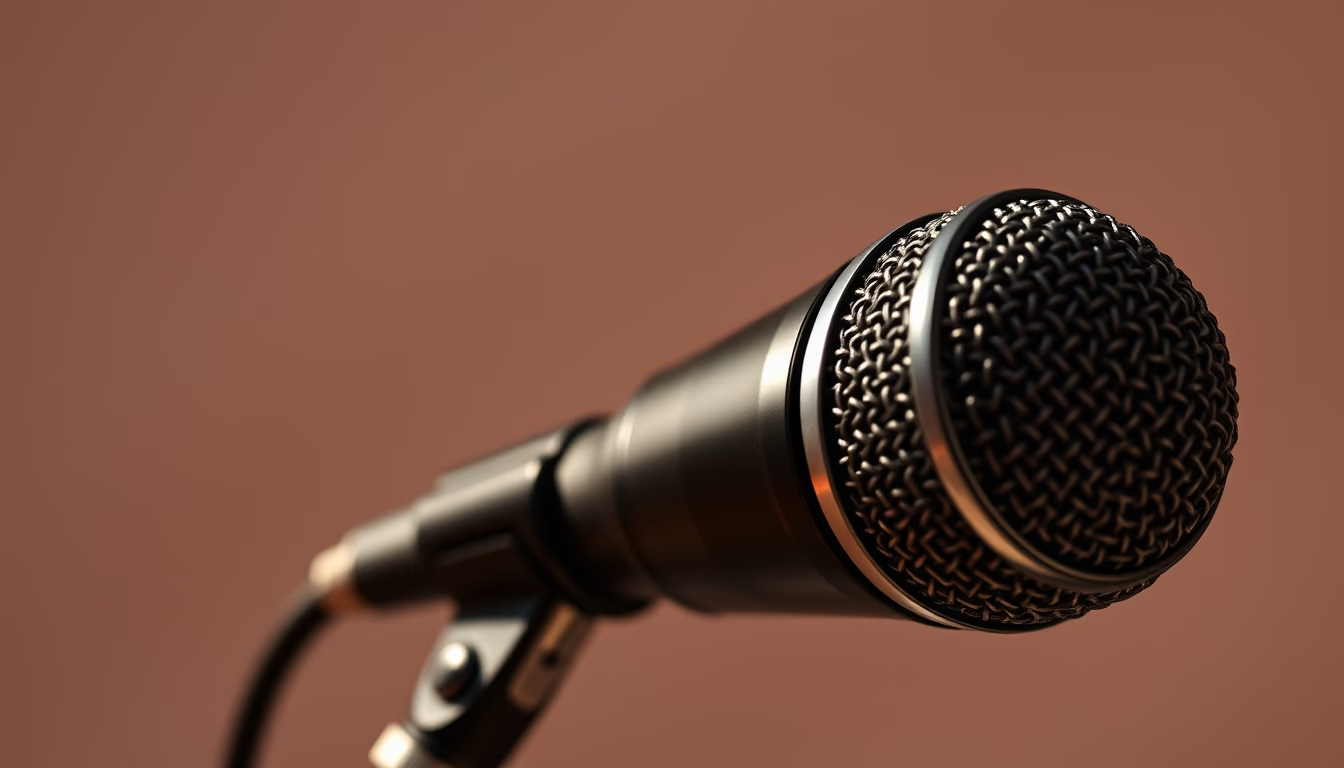
Dat tape recorder
1344×768 · AVIF · CC BY 4.0
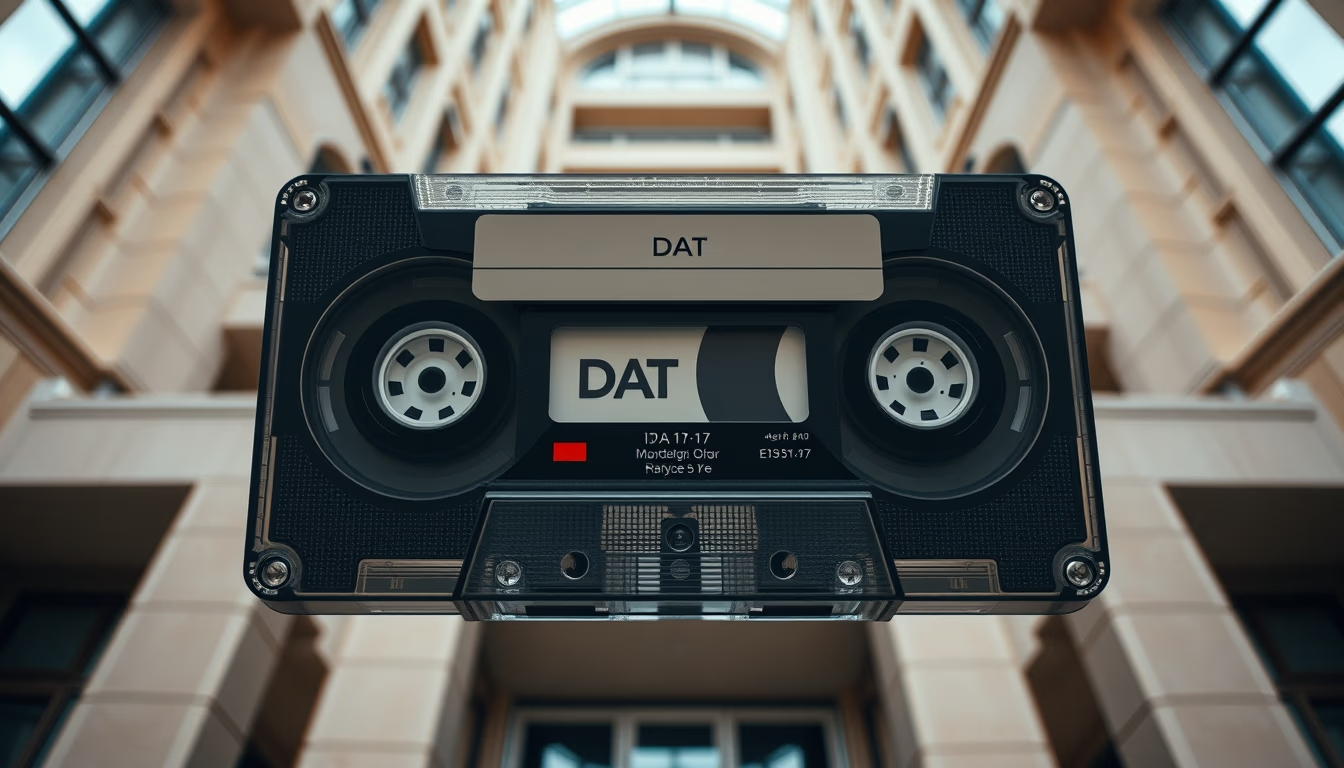
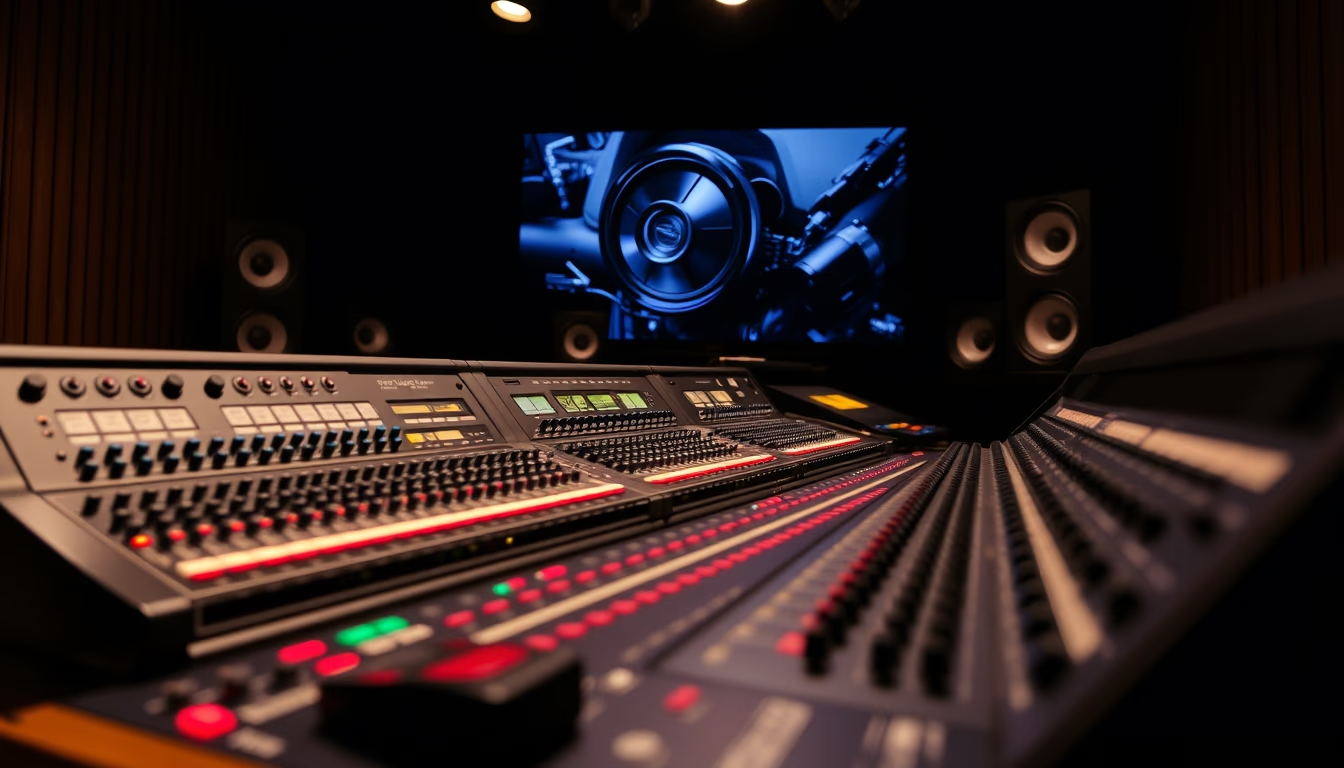
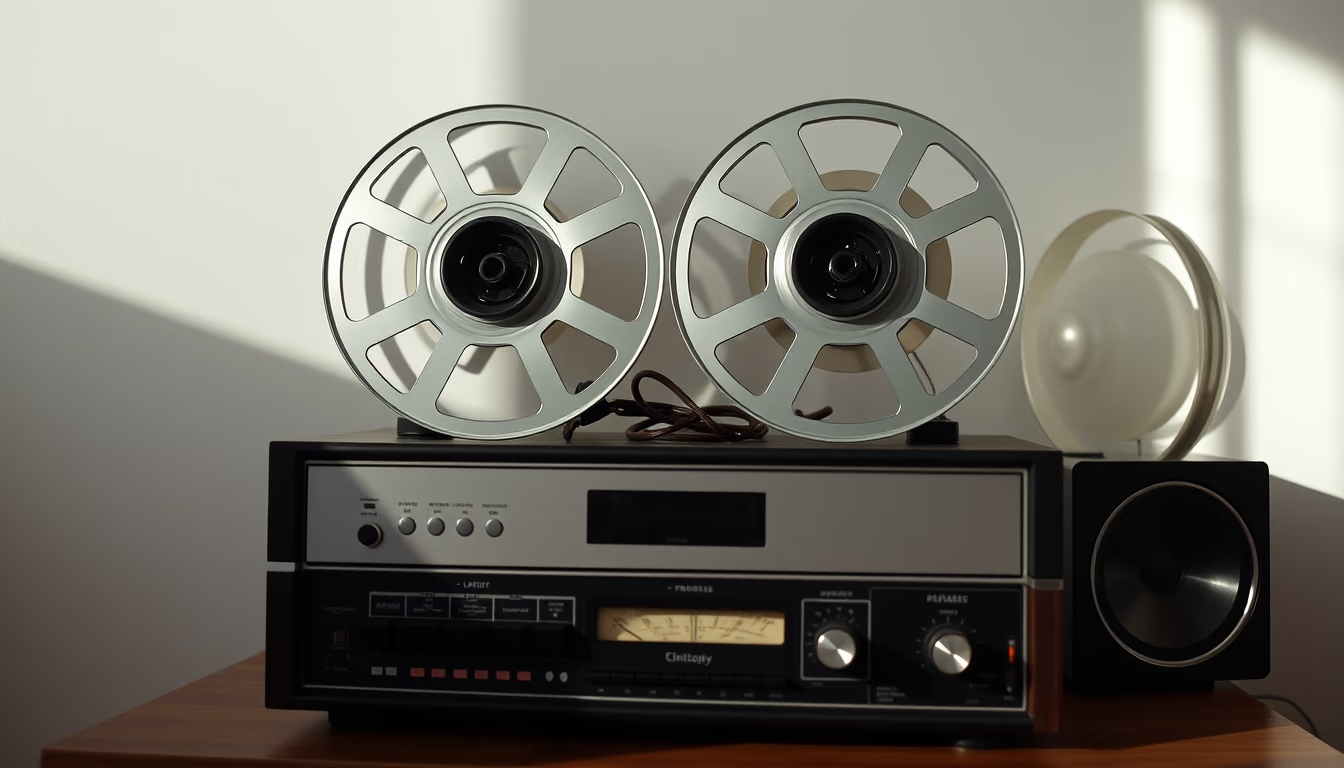
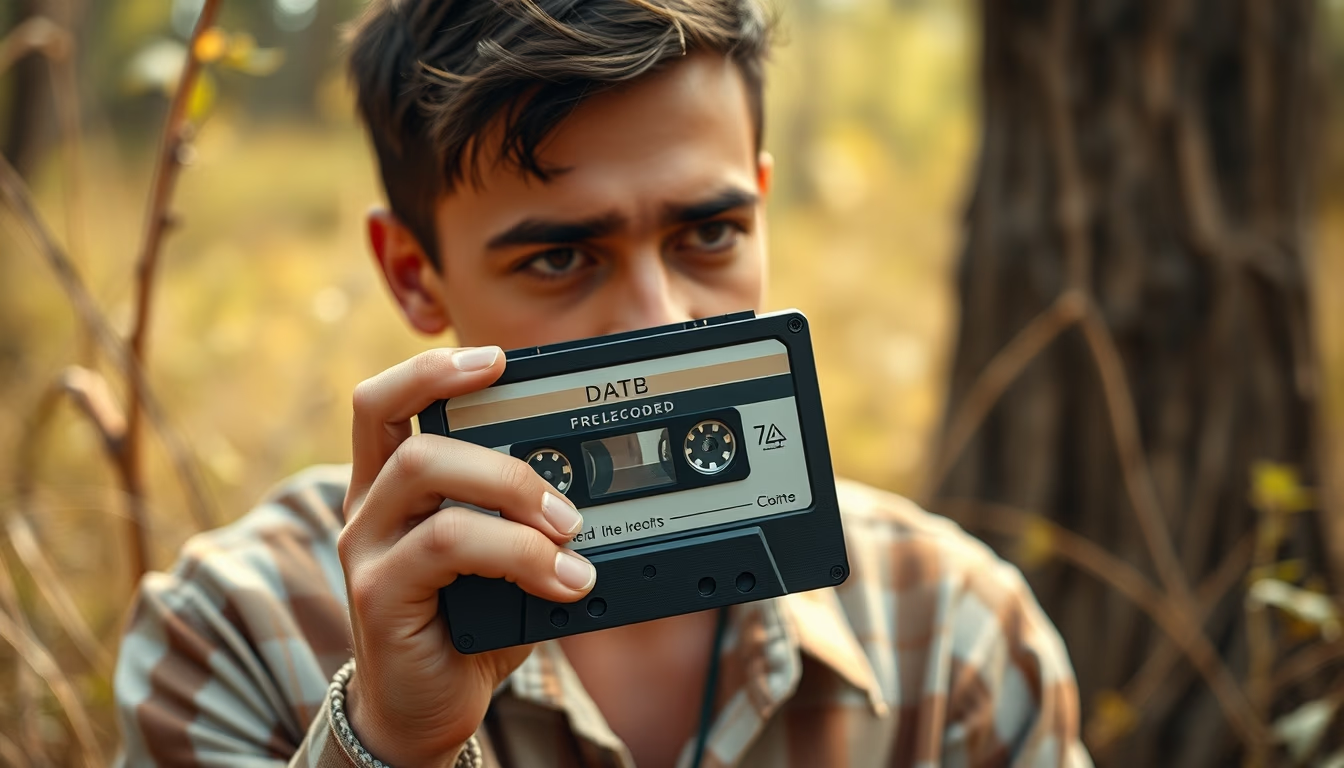
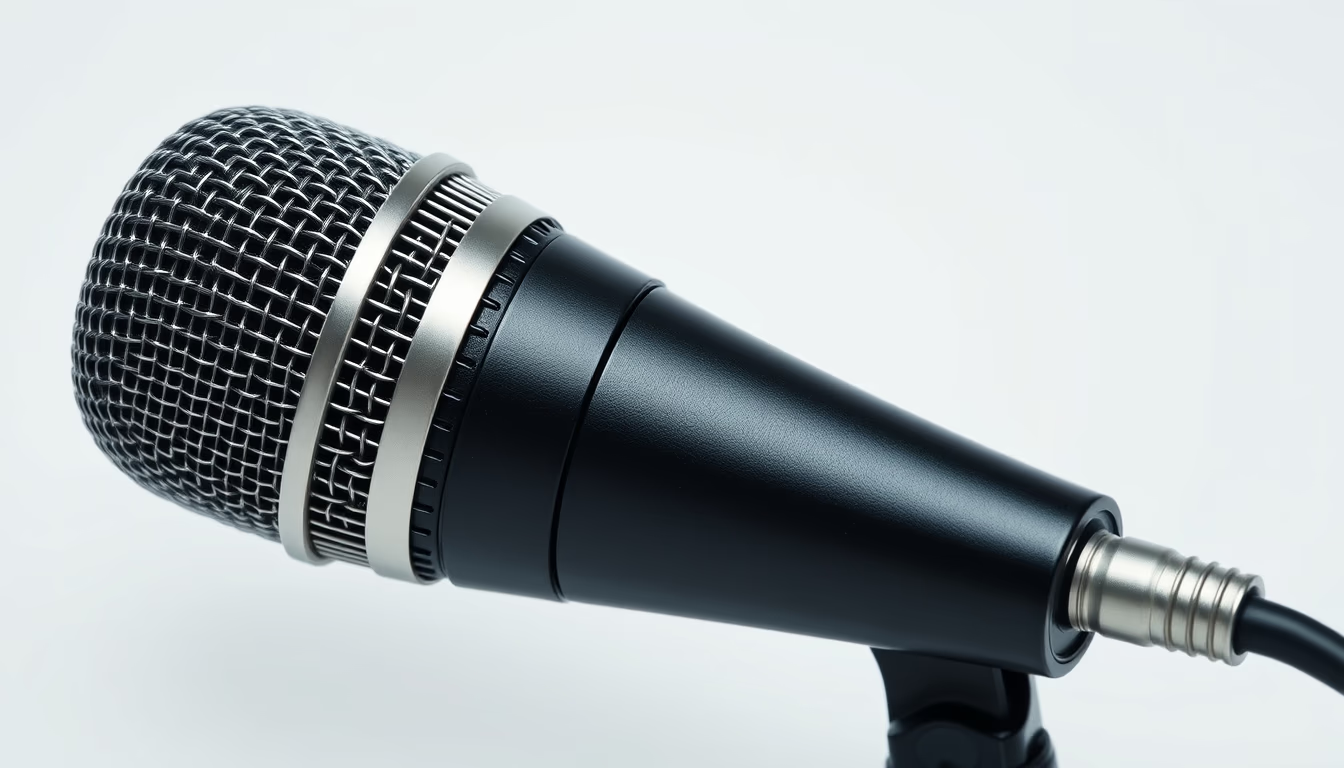
The DAT (Digital Audio Tape) recorder revolutionized professional and amateur digital recording in the 1980s and 1990s, offering lossless audio quality on magnetic tape.
About this subject
The DAT, or Digital Audio Tape, was a digital recording format launched in 1987 by Sony and Philips. It used a 4 mm magnetic tape inside a compact cassette, similar to a floppy disk, enabling digital recording with 16-bit resolution and sampling rates of 44.1 kHz or 48 kHz. This provided faithful audio reproduction without the losses of analog tapes. The system quickly became popular in professional studios, live recording, and even broadcast due to its portability and high quality.
A notable feature of DAT was the SCMS (Serial Copy Management System), a copy protection that allowed only one digital copy from an original source. This sparked controversy among consumers and professionals but did not prevent the format from becoming a standard for mastering and archiving. Tapes could store up to 120 or 180 minutes of audio depending on the sampling rate. Additionally, DAT was used in some of the earliest field digital audio recordings, such as capturing concerts and interviews.
With the rise of hard drives and flash-based recorders, DAT fell out of use by the 2000s. Nevertheless, it remains a milestone in the transition from analog to digital audio. Musicians and sound engineers who worked with the format praise its reliability and sound purity. Today, collectors and enthusiasts preserve DAT units and tapes as part of music technology history.
Frequently Asked Questions
What does DAT stand for?
DAT stands for Digital Audio Tape. It is a recording format that stores audio digitally on magnetic tape.
What was the audio quality of DAT?
DAT recorded audio at 16-bit resolution with sampling rates of 44.1 kHz (CD standard) or 48 kHz, providing CD-quality sound without compression.
Why was DAT replaced?
DAT was gradually replaced by hard disk recorders, flash memory, and tape-less digital formats like MiniDisc and later digital audio files, which offered greater convenience and lower costs.
Direct URL
https://pub-c7d6a6ea828543ac903a74a341ccb2e1.r2.dev/imagens/dat-tape-recorder-architectural-photography-fresh0.avifHow to credit
Include a visible link back to UtilizAí. Copy one of the snippets below:
<a href="https://xn--utiliza-eza.com/en/midia/imagens/dat-tape-recorder-architectural-photography-fresh0">Dat tape recorder</a> by <a href="https://xn--utiliza-eza.com">UtilizAí</a>, licensed under <a href="https://creativecommons.org/licenses/by/4.0/">CC BY 4.0</a>.
[Dat tape recorder](https://xn--utiliza-eza.com/en/midia/imagens/dat-tape-recorder-architectural-photography-fresh0) by [UtilizAí](https://xn--utiliza-eza.com), CC BY 4.0
License: CC-BY-4.0