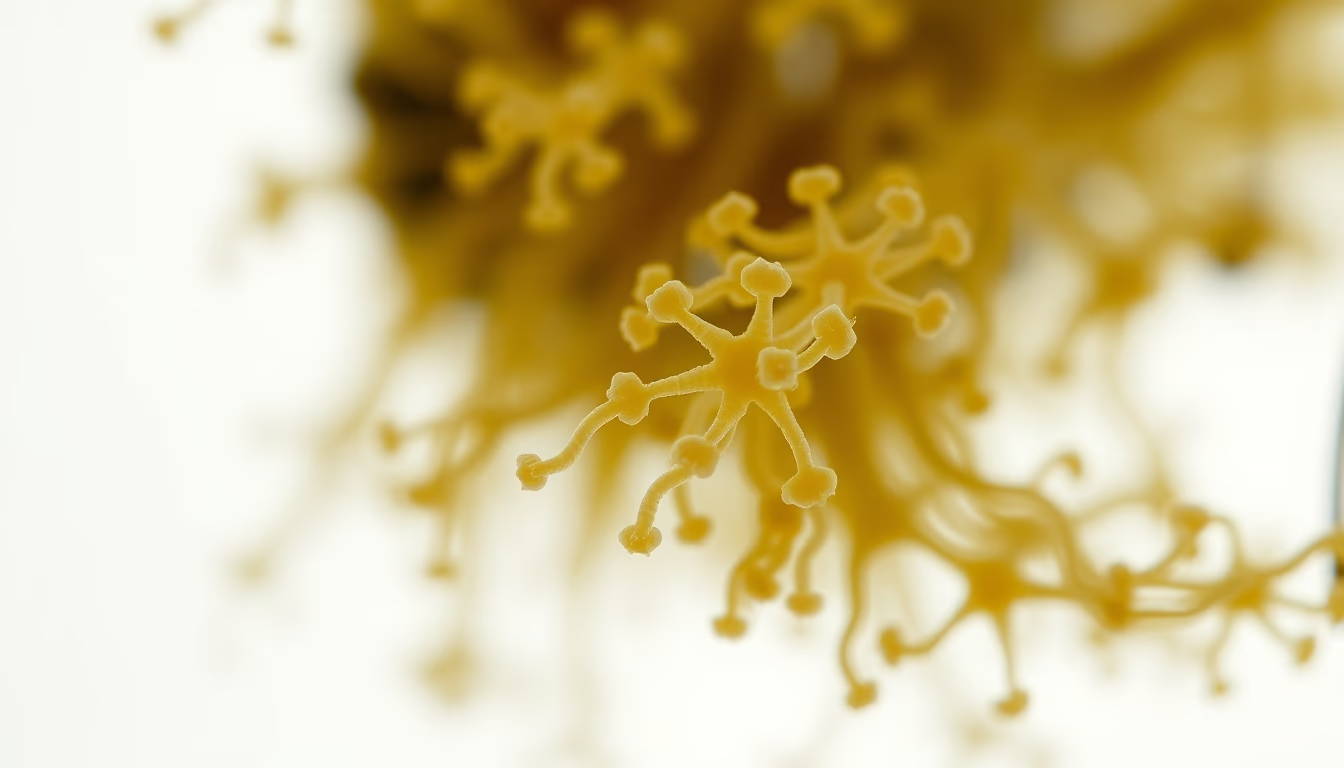
Cyanobacteria filament
1344×768 · AVIF · CC BY 4.0

Filamentous cyanobacteria are prokaryotic microorganisms that form elongated colonies and play crucial roles in nitrogen fixation and oxygen production.
About this subject
Filamentous cyanobacteria are photosynthetic microorganisms that inhabit aquatic and moist terrestrial environments. Unlike unicellular cyanobacteria, they form chains of cells called filaments or trichomes, often encased in a mucilaginous sheath. These organisms are considered the precursors of plant chloroplasts, resulting from an endosymbiotic event over a billion years ago.
Their ability to fix atmospheric nitrogen is unique among photosynthetic bacteria. In filaments such as those of the genus Anabaena, some cells differentiate into heterocysts, specialized structures that protect nitrogenase from oxygen. This allows nitrogen fixation to occur simultaneously with photosynthesis, contributing to soil fertility in agricultural fields and aquatic ecosystems, such as rice paddies.
However, in eutrophic water bodies, filamentous cyanobacteria can form toxic blooms. Genera like Microcystis and Planktothrix produce microcystins, hepatotoxins that contaminate drinking water and pose risks to human and animal health. These events are exacerbated by global warming and excess nutrients, such as phosphorus and nitrogen, from human activities.
On the other hand, filamentous cyanobacteria have promising biotechnological applications. They are used in the production of biofuels, such as biohydrogen, and in bioremediation of pollutants. Recent studies investigate their potential in producing biodegradable plastics and sustainable food sources due to their high content of proteins and essential fatty acids.
Frequently Asked Questions
What are filamentous cyanobacteria?
They are prokaryotic photosynthetic microorganisms that form elongated colonies (filaments). They occur in aquatic and moist environments and are important for nitrogen fixation and oxygen production.
Are filamentous cyanobacteria dangerous?
Some species produce toxins, such as microcystins, which can contaminate water and cause liver problems. However, many are beneficial and used in agriculture for green manure.
What is the ecological importance of filamentous cyanobacteria?
They fix atmospheric nitrogen, enriching soils and aquatic ecosystems. They also form the base of the food web in many environments and produce oxygen through photosynthesis.
Direct URL
https://pub-c7d6a6ea828543ac903a74a341ccb2e1.r2.dev/imagens/cyanobacteria-filament-studio-editorial-portrait-fresh10.avifHow to credit
Include a visible link back to UtilizAí. Copy one of the snippets below:
<a href="https://xn--utiliza-eza.com/en/midia/imagens/cyanobacteria-filament-studio-editorial-portrait-fresh10">Cyanobacteria filament</a> by <a href="https://xn--utiliza-eza.com">UtilizAí</a>, licensed under <a href="https://creativecommons.org/licenses/by/4.0/">CC BY 4.0</a>.
[Cyanobacteria filament](https://xn--utiliza-eza.com/en/midia/imagens/cyanobacteria-filament-studio-editorial-portrait-fresh10) by [UtilizAí](https://xn--utiliza-eza.com), CC BY 4.0
License: CC-BY-4.0