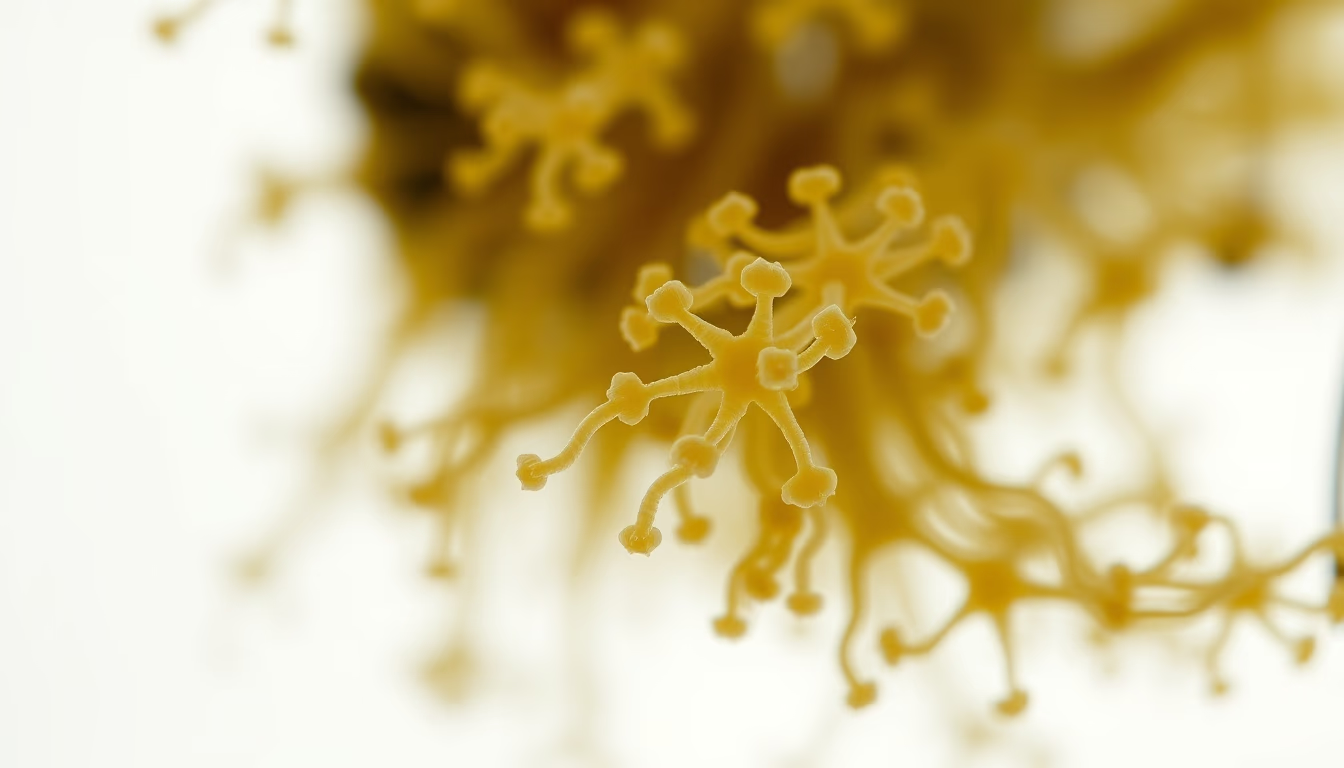
Cyanobacteria filament
1344×768 · AVIF · CC BY 4.0
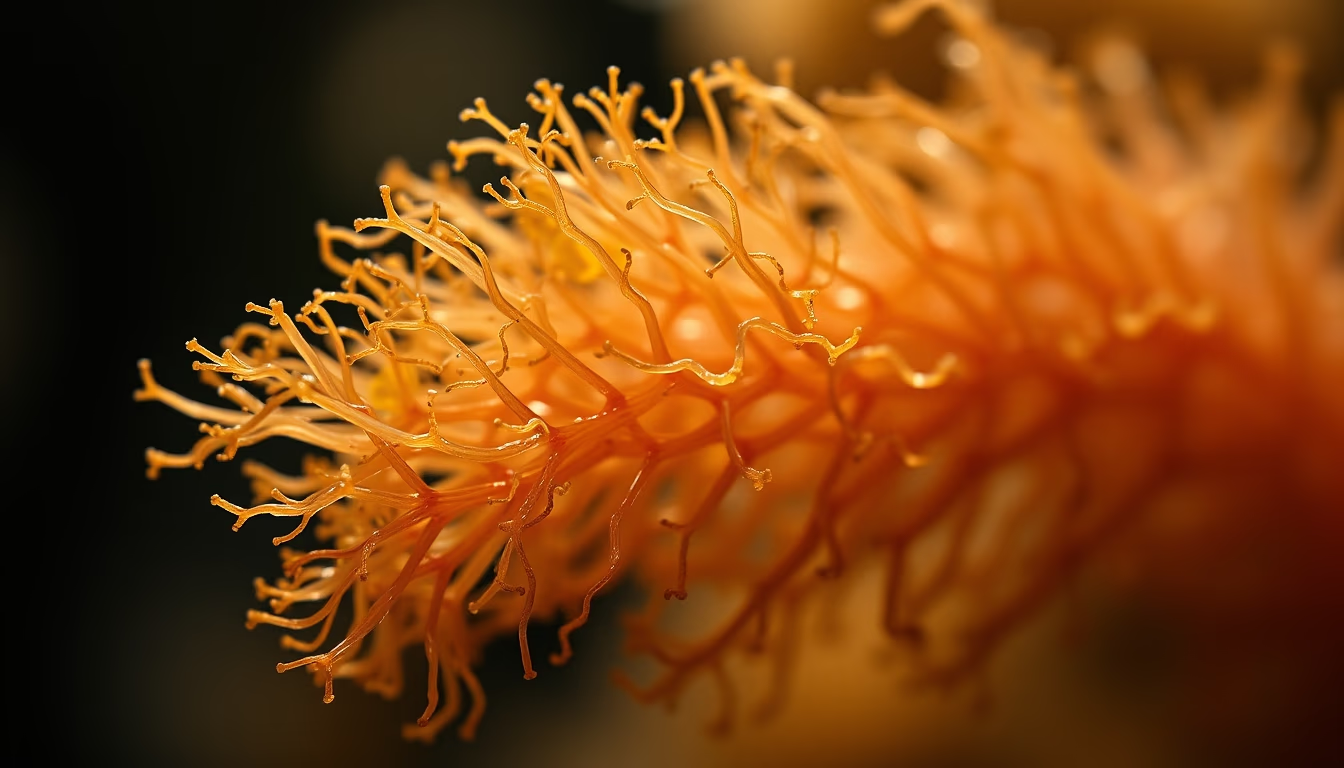
Filamentous cyanobacteria are prokaryotic microorganisms that form elongated colonies, crucial for oxygen production and nitrogen fixation in various ecosystems.
About this subject
Filamentous cyanobacteria are prokaryotic photosynthetic organisms that grow in linear chains of cells, known as trichomes. These structures can be found in a wide range of aquatic and terrestrial environments, from oceans and lakes to moist soils and hot springs. Their ability to perform oxygenic photosynthesis was crucial in shaping Earth's early atmosphere, contributing to the Great Oxidation Event approximately 2.4 billion years ago.
In addition to producing oxygen, many filamentous cyanobacteria have specialized cells called heterocysts, where atmospheric nitrogen fixation occurs. This process is vital for soil and water fertility, especially in nitrogen-limited ecosystems. Notable examples include the genera Anabaena and Nostoc, which form symbiotic associations with plants, such as the aquatic fern Azolla.
These microorganisms are also responsible for forming stromatolites, layered rock structures that constitute some of the oldest fossils on Earth, dating back over 3.5 billion years. Today, filamentous cyanobacteria are studied for their biotechnological potential, including the production of biofuels, natural dyes, and dietary supplements, such as spirulina. However, under eutrophic conditions, they can form harmful blooms that release toxins, impacting water quality and public health.
Frequently Asked Questions
What are filamentous cyanobacteria?
They are prokaryotic microorganisms that form elongated, filamentous colonies capable of oxygenic photosynthesis. These filaments can be simple or branched and are common in aquatic and terrestrial environments.
Why are filamentous cyanobacteria important for the environment?
They produce oxygen through photosynthesis and fix atmospheric nitrogen, enriching soils and water bodies. They are also key components in stromatolite formation and some species are used in agriculture as biofertilizers.
Can filamentous cyanobacteria be harmful?
Yes, under nutrient-rich conditions (eutrophication), they can form blooms that release toxins, such as microcystins, contaminating water and posing risks to human and animal health.
Direct URL
https://pub-c7d6a6ea828543ac903a74a341ccb2e1.r2.dev/imagens/cyanobacteria-filament-magazine-editorial-fresh15.avifHow to credit
Include a visible link back to UtilizAí. Copy one of the snippets below:
<a href="https://xn--utiliza-eza.com/en/midia/imagens/cyanobacteria-filament-magazine-editorial-fresh15">Cyanobacteria filament</a> by <a href="https://xn--utiliza-eza.com">UtilizAí</a>, licensed under <a href="https://creativecommons.org/licenses/by/4.0/">CC BY 4.0</a>.
[Cyanobacteria filament](https://xn--utiliza-eza.com/en/midia/imagens/cyanobacteria-filament-magazine-editorial-fresh15) by [UtilizAí](https://xn--utiliza-eza.com), CC BY 4.0
License: CC-BY-4.0