Cyanobacteria filament
1344×768 · AVIF · CC BY 4.0
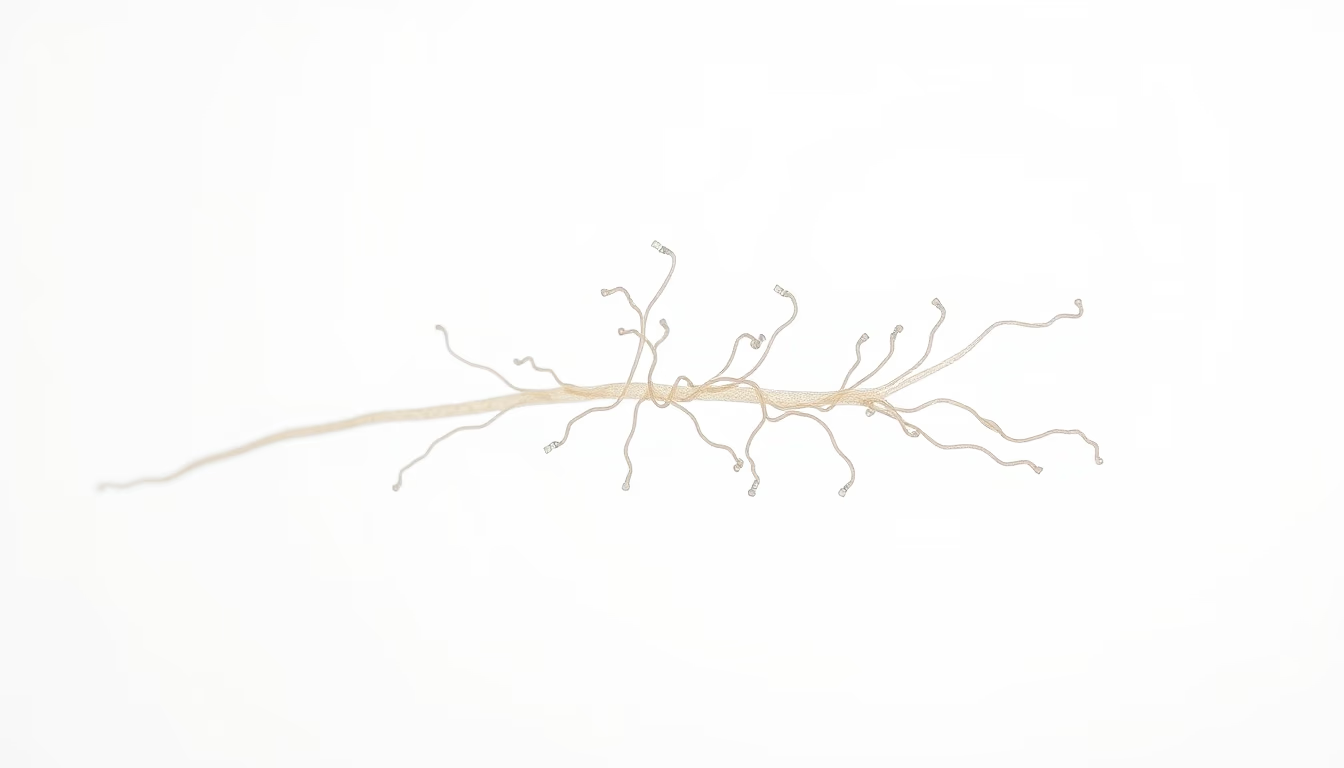
Filamentous cyanobacteria are ancient photosynthetic organisms that oxygenated Earth's atmosphere and are essential for biogeochemical cycles.
About this subject
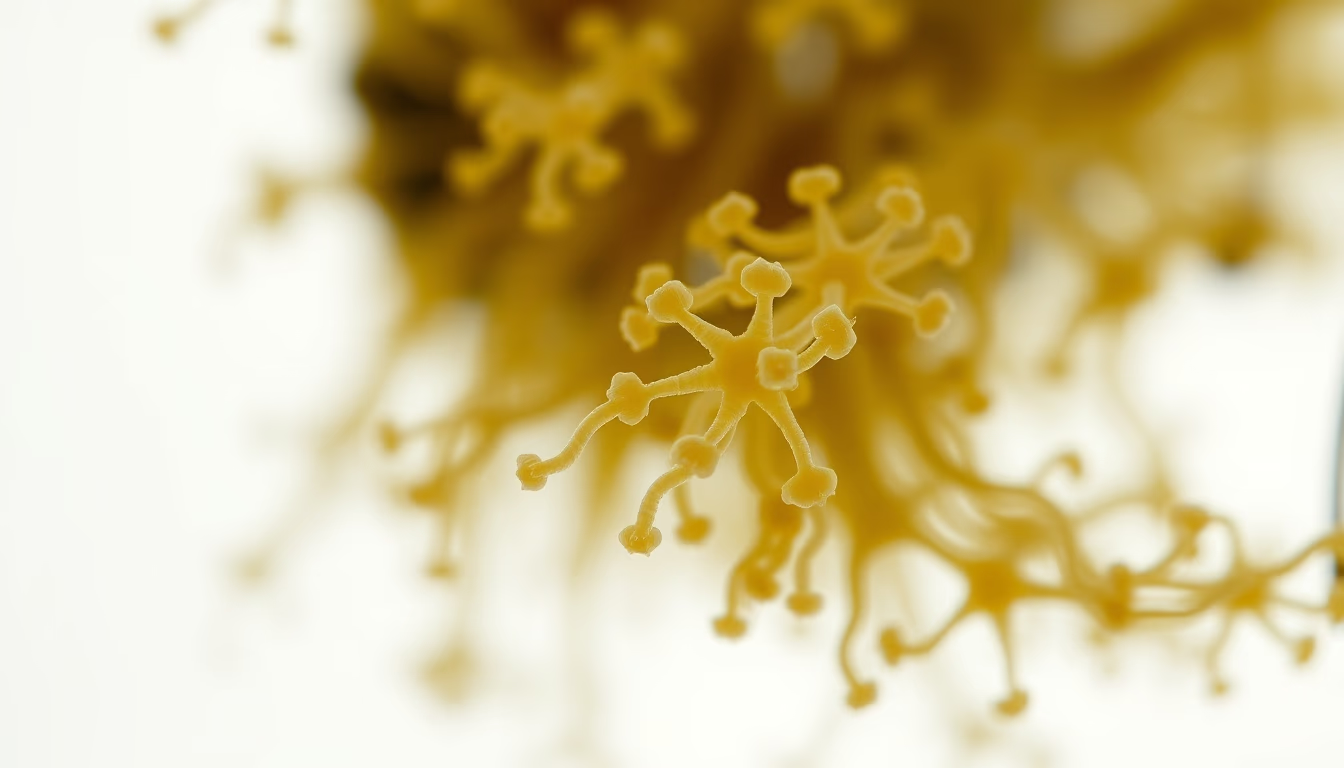
Filamentous cyanobacteria, also known as blue-green algae, are photosynthetic prokaryotes that played a pivotal role in Earth's history. Fossil evidence from stromatolites indicates they have existed for at least 3.5 billion years, and they were responsible for the Great Oxidation Event, which dramatically increased atmospheric oxygen levels and enabled the evolution of aerobic life. Their filaments consist of chains of cells that can form visible mats or blooms in nutrient-rich waters, particularly in eutrophic lakes and reservoirs.
Ecologically, filamentous cyanobacteria are key nitrogen fixers. Species such as Anabaena and Nostoc develop specialized cells called heterocysts that convert inert atmospheric nitrogen into ammonia, a form usable by plants. This process enriches soils and aquatic ecosystems, making cyanobacteria valuable as natural biofertilizers. In rice paddies, the symbiotic association with the water fern Azolla can provide up to 60% of the nitrogen needed by the crop, reducing the need for synthetic fertilizers.
Despite their benefits, cyanobacteria can become harmful when water bodies receive excessive nutrients from agricultural runoff or sewage. Under these conditions, they form harmful algal blooms that deplete oxygen and produce potent toxins such as microcystins and saxitoxins. These toxins pose serious risks to drinking water supplies, aquatic life, and human health, causing liver damage, neurological symptoms, and even death. In Brazil, blooms of Cylindrospermopsis raciborskii are a recurring concern in the São Paulo and Northeast regions.
On the positive side, filamentous cyanobacteria are increasingly used in biotechnology. Spirulina (Arthrospira platensis) is widely cultivated as a protein-rich superfood. Researchers are also exploring cyanobacteria for carbon capture, biofuel production, bioplastics, and wastewater treatment. Their simple growth requirements and high metabolic versatility make them ideal candidates for sustainable industrial processes. Understanding the biology of filamentous cyanobacteria continues to open new avenues for addressing environmental and energy challenges.
Frequently Asked Questions
What are filamentous cyanobacteria?
They are photosynthetic bacteria that form chains of cells, appearing as filaments. Also called blue-green algae, they are prokaryotes that perform oxygenic photosynthesis and some can fix atmospheric nitrogen.
Are filamentous cyanobacteria dangerous?
Not all, but bloom-forming species can produce cyanotoxins that contaminate water and food. Blooms in reservoirs can cause animal deaths and human illnesses such as liver damage and neurological disorders.
How are filamentous cyanobacteria used in agriculture?
They serve as natural biofertilizers, especially nitrogen-fixing species. They are applied to rice paddies and nutrient-poor soils to reduce synthetic fertilizer use, enhancing crop yields sustainably.
Direct URL
https://pub-c7d6a6ea828543ac903a74a341ccb2e1.r2.dev/imagens/cyanobacteria-filament-commercial-product-photography-fresh16.avifHow to credit
Include a visible link back to UtilizAí. Copy one of the snippets below:
<a href="https://xn--utiliza-eza.com/en/midia/imagens/cyanobacteria-filament-commercial-product-photography-fresh16">Cyanobacteria filament</a> by <a href="https://xn--utiliza-eza.com">UtilizAí</a>, licensed under <a href="https://creativecommons.org/licenses/by/4.0/">CC BY 4.0</a>.
[Cyanobacteria filament](https://xn--utiliza-eza.com/en/midia/imagens/cyanobacteria-filament-commercial-product-photography-fresh16) by [UtilizAí](https://xn--utiliza-eza.com), CC BY 4.0
License: CC-BY-4.0