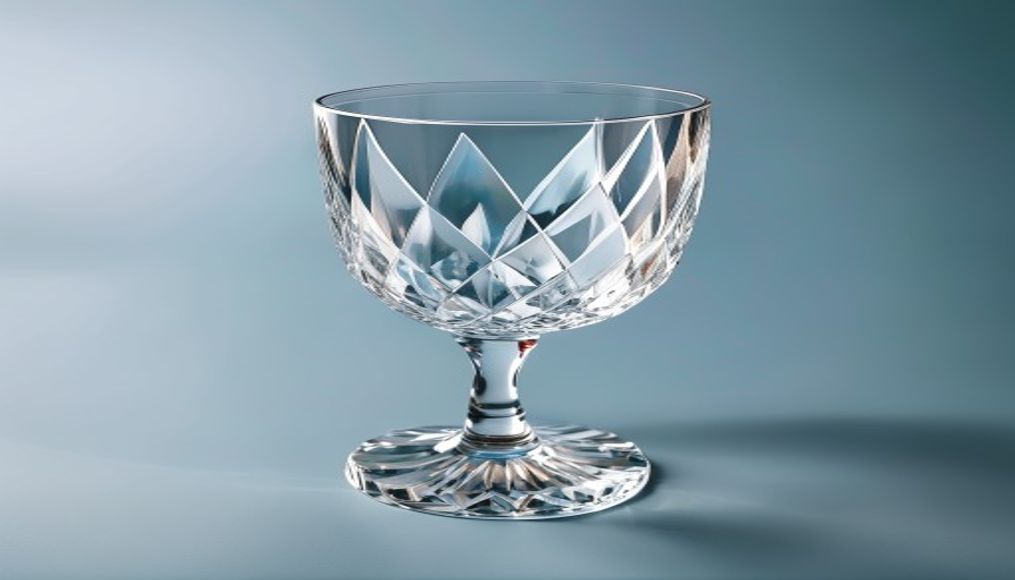
Crystal goblet hand cut
1344×768 · AVIF · CC BY 4.0

Hand-cut crystal goblet: a centuries-old technique blending art and precision to create unique, translucent pieces.
About this subject
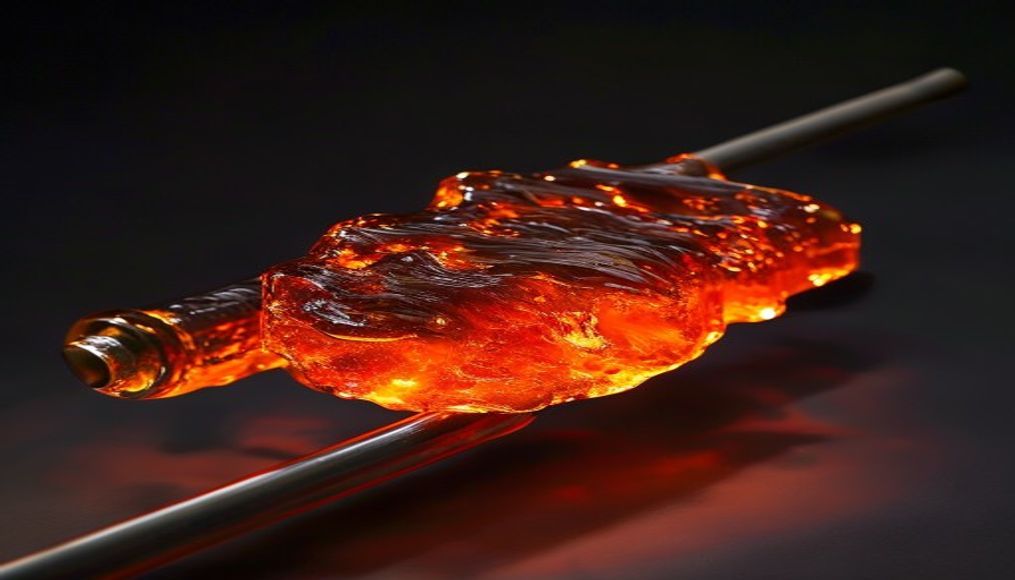
Hand-cut crystal goblet craftsmanship dates back to the 18th century, especially in Central Europe, where artisans in Bohemia (now Czech Republic) perfected lead crystal cutting. The process begins with a block of molten crystal, typically containing lead to increase brilliance and refractive index. The artisan uses emery wheels, first for roughing and then for polishing, carving geometric or floral patterns. Each goblet requires hours of work: the cutter supports the piece against the spinning wheel, applying precise pressure to create facets that capture light. Symmetry is critical, as a millimeter deviation can break the charm or, worse, crack the crystal.
Long-exposure photography reveals the grain details and fine cut lines, highlighting the material's transparency and luster. In Brazilian culture, hand-cut crystal is present in formal dinners and family collections, often passed down through generations. Brands like Czech Swarovski and French Baccarat are global references, but the manual art is still practiced in small studios around Jablonec nad Nisou and in São Paulo, where immigrants brought the tradition.
Interestingly, each hand-cut piece is unique: small variations in cut angle and depth create slightly different reflections, distinguishing it from industrial production. The sound of a crystal goblet when tapped, a clear and lingering ring, is also a quality indicator. Maintenance requires care: hand washing is advised, avoiding chemicals that may dull the shine. For collectors, antique goblets signed by master cutters can be worth thousands of dollars, especially Art Deco pieces with geometric designs.
Frequently Asked Questions
What is the difference between hand-cut and industrial crystal?
Hand-cut crystal is carved by artisans using emery wheels, creating irregular and unique facets. Industrial crystal uses CNC machines for exact, repetitive cuts, losing individuality and often the characteristic brilliance.
How should I clean and maintain hand-cut crystal goblets?
Wash by hand with warm water and mild detergent, dry immediately with a soft cloth. Avoid dishwashers, abrasive products, and sudden temperature changes. Store upright, separated to prevent scratches.
What does 'hand cut' mean for a crystal goblet?
It means the decorative cuts were made manually by a craftsperson, without automated machinery. This ensures an organic pattern and the cutter's signature, increasing the piece's value as an artwork.
Direct URL
https://pub-c7d6a6ea828543ac903a74a341ccb2e1.r2.dev/imagens/crystal-goblet-hand-cut-long-exposure-p3.avifHow to credit
Include a visible link back to UtilizAí. Copy one of the snippets below:
<a href="https://xn--utiliza-eza.com/en/midia/imagens/crystal-goblet-hand-cut-long-exposure-p3">Crystal goblet hand cut</a> by <a href="https://xn--utiliza-eza.com">UtilizAí</a>, licensed under <a href="https://creativecommons.org/licenses/by/4.0/">CC BY 4.0</a>.
[Crystal goblet hand cut](https://xn--utiliza-eza.com/en/midia/imagens/crystal-goblet-hand-cut-long-exposure-p3) by [UtilizAí](https://xn--utiliza-eza.com), CC BY 4.0
License: CC-BY-4.0