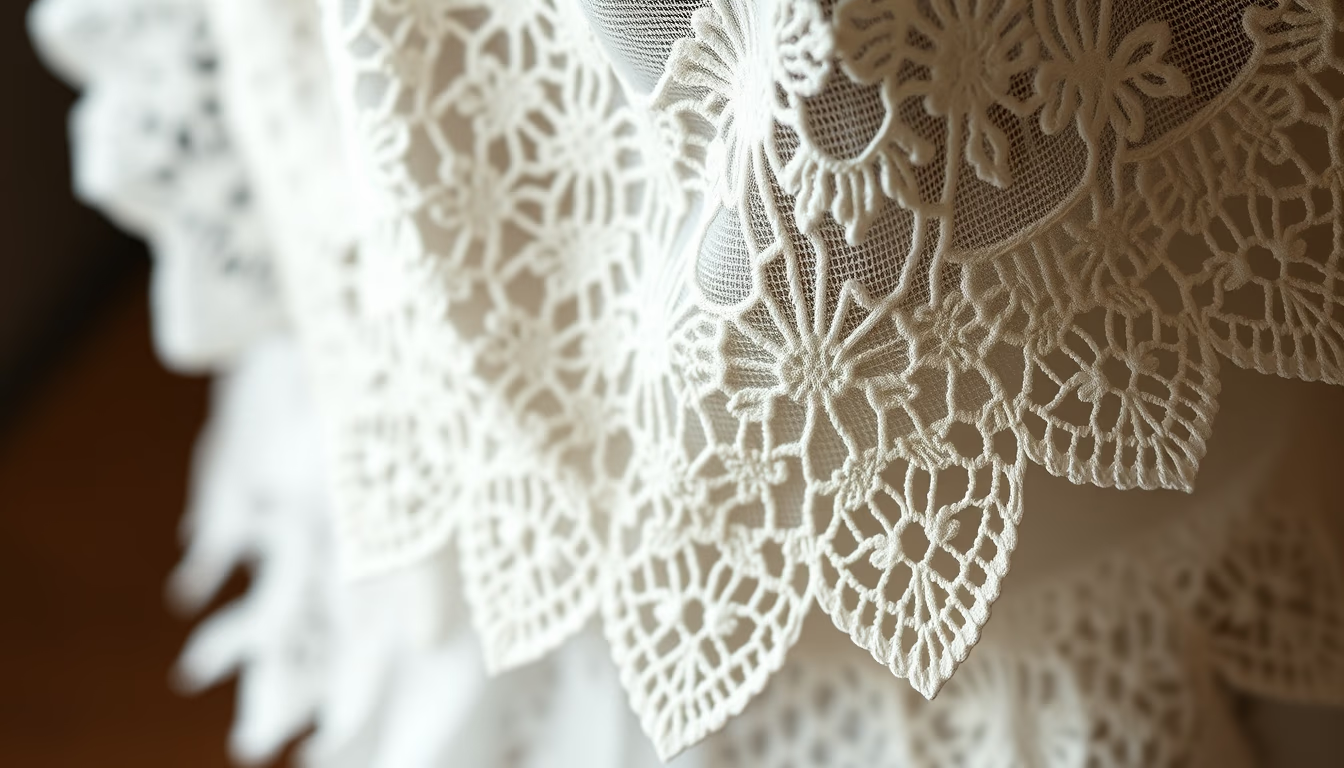
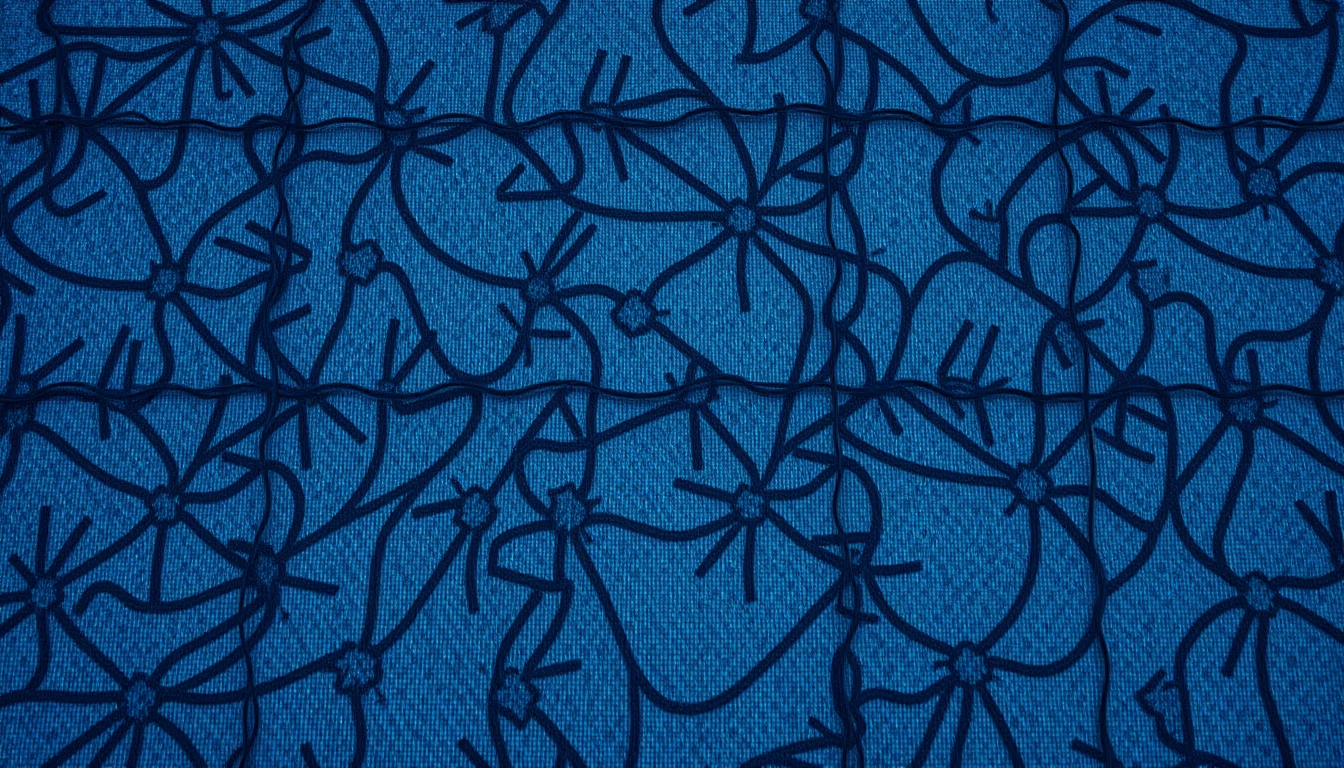
Cross stitch pattern
1344×768 · AVIF · CC BY 4.0
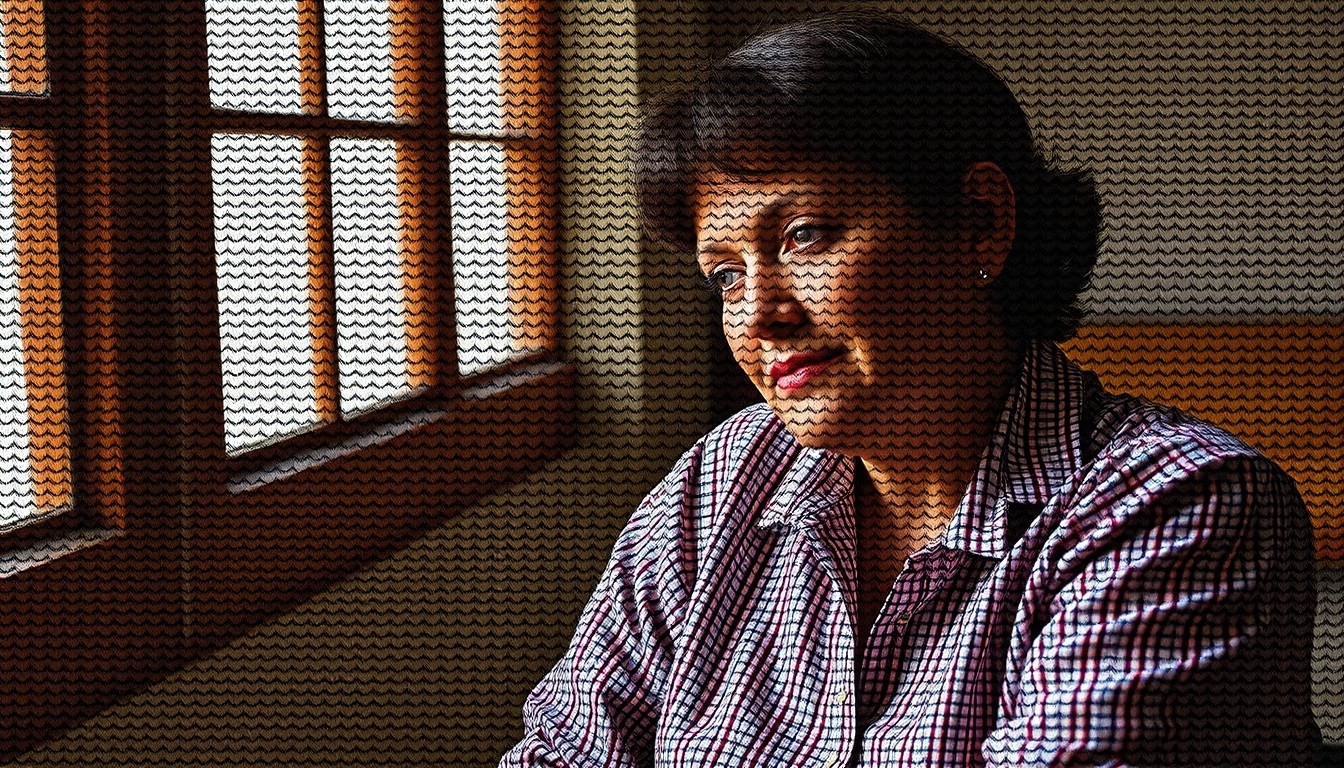
Cross stitch is an ancient embroidery technique that creates pixelated textile designs, present in many cultures.
About this subject
Cross stitch, also known as counted embroidery, has origins dating back to ancient times. Historical records show pieces with X-shaped stitches found in Egyptian tombs and in Chinese fabrics from the Han dynasty. In Brazil, cross stitch arrived with Portuguese colonizers and integrated into popular culture, being widely used in trousseaus, towels, and kitchen cloths. Patterns are traditionally represented in gridded charts, where each square equals one stitch, allowing creation from floral motifs to complex scenes.
Each cross stitch pattern is a visual guide indicating colors and positions of stitches on an even-weave fabric such as Aida cloth. The technique is accessible: all stitches are identical, formed by two diagonals crossing in the center of a square. This simplicity allows beginners to create sophisticated works with patience. Patterns can be found in magazines, books, or digital platforms, and many charts are freely shared by stitching communities.
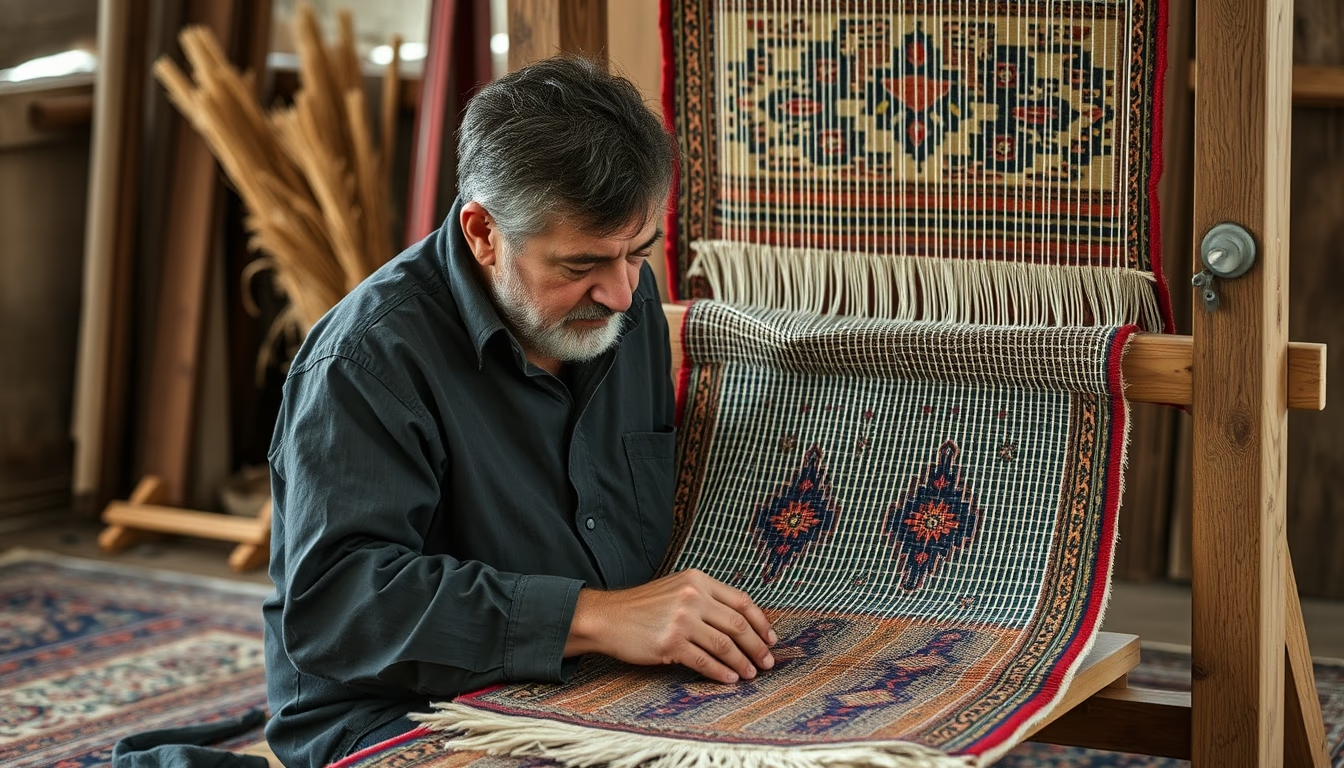
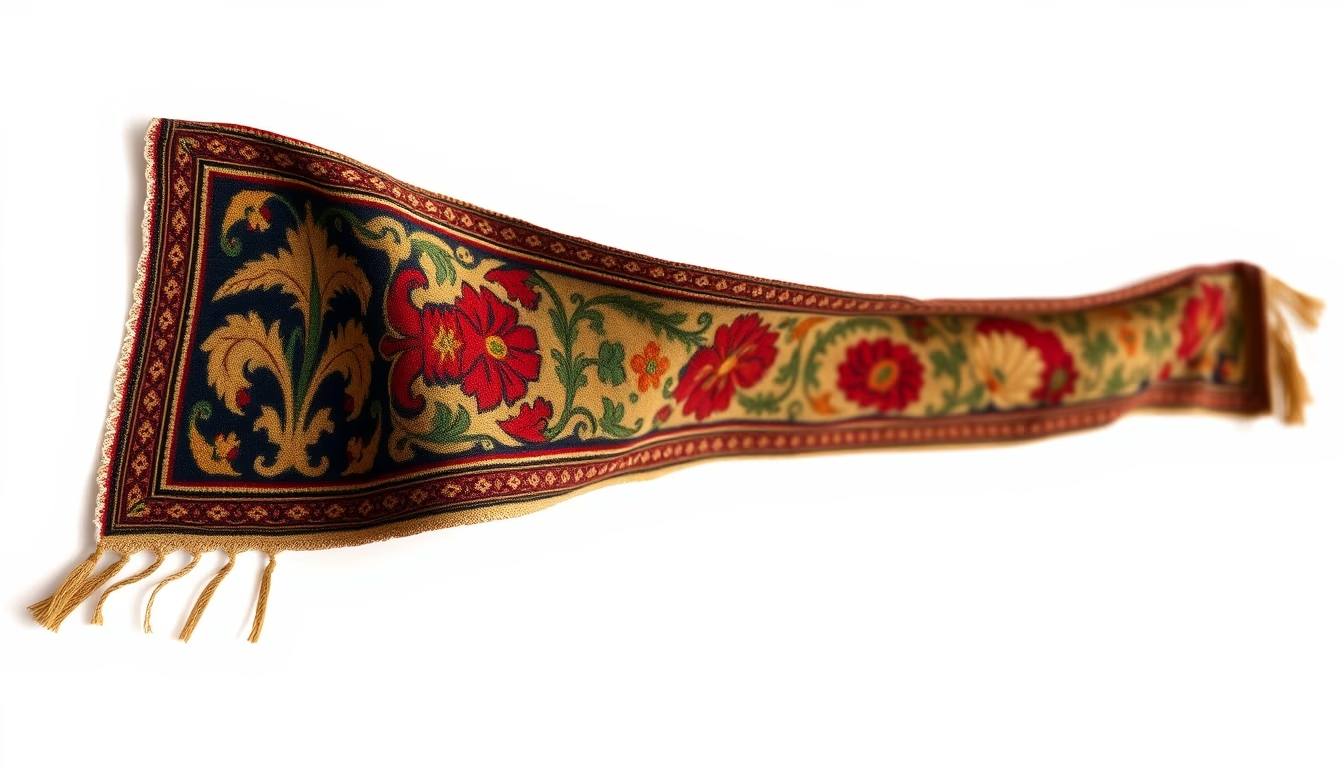
In the context of documentary photography, images of cross stitch patterns reveal aspects of material culture and female manual labor, often associated with emotional memory and intergenerational knowledge transmission. The pattern itself carries information about aesthetic trends of each era, such as embroidery with bird and fruit themes typical of the 1970s or contemporary minimalist geometric designs. Additionally, cross stitch has gained new momentum with the pixel art aesthetic and maker culture, attracting a younger audience that transforms photos into embroidery charts.
Interestingly, the word 'stitch' in 'cross stitch' derives from Latin 'punctum', and the technique was standardized in the 19th century with the popularization of even-weave fabrics. Today, it is estimated that there are over 10,000 patterns available in digital archives. The practice of cross stitch is also recognized for its therapeutic benefits, such as stress reduction and improved concentration.
Frequently Asked Questions
How do you read a cross stitch pattern?
Each square in the grid represents one full stitch. Colors or symbols indicate the thread to use. You start from the center of the fabric, following the chart both horizontally and vertically, stitch by stitch.
What are traditional uses of cross stitch in Brazil?
Cross stitch is traditionally used in baby layettes, face towels, dishcloths, and placemats. It also appears in decorative pictures with religious phrases or regional motifs.
Is cross stitch considered an art form?
Yes, cross stitch is recognized as both craft and textile art. Museums and galleries exhibit historical and contemporary pieces, and the technique is valued for its precision and expressiveness.
Direct URL
https://pub-c7d6a6ea828543ac903a74a341ccb2e1.r2.dev/imagens/cross-stitch-pattern-documentary-photography-fresh15.avifHow to credit
Include a visible link back to UtilizAí. Copy one of the snippets below:
<a href="https://xn--utiliza-eza.com/en/midia/imagens/cross-stitch-pattern-documentary-photography-fresh15">Cross stitch pattern</a> by <a href="https://xn--utiliza-eza.com">UtilizAí</a>, licensed under <a href="https://creativecommons.org/licenses/by/4.0/">CC BY 4.0</a>.
[Cross stitch pattern](https://xn--utiliza-eza.com/en/midia/imagens/cross-stitch-pattern-documentary-photography-fresh15) by [UtilizAí](https://xn--utiliza-eza.com), CC BY 4.0
License: CC-BY-4.0