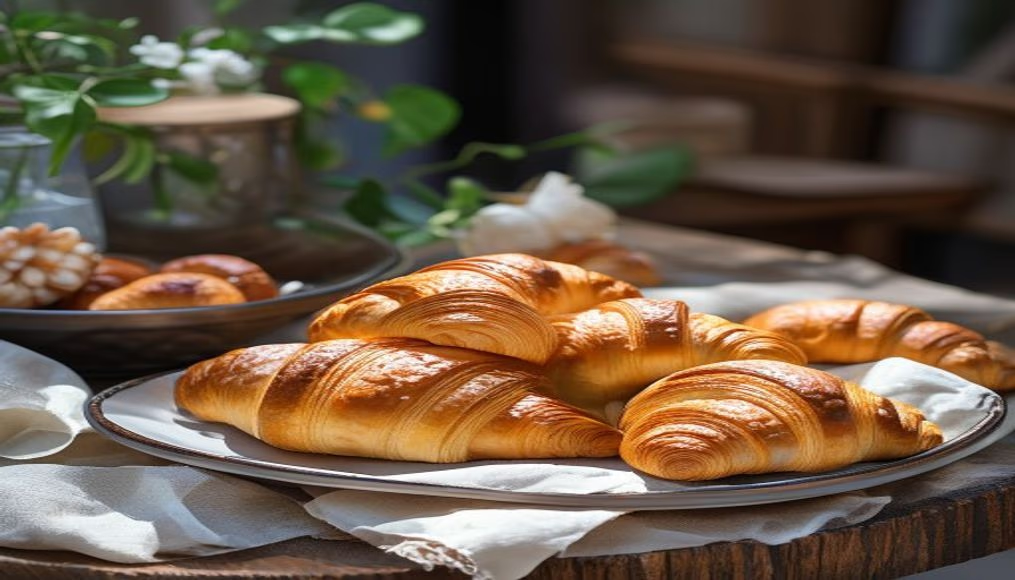
Croissants golden flaky
1344×768 · AVIF · CC BY 4.0
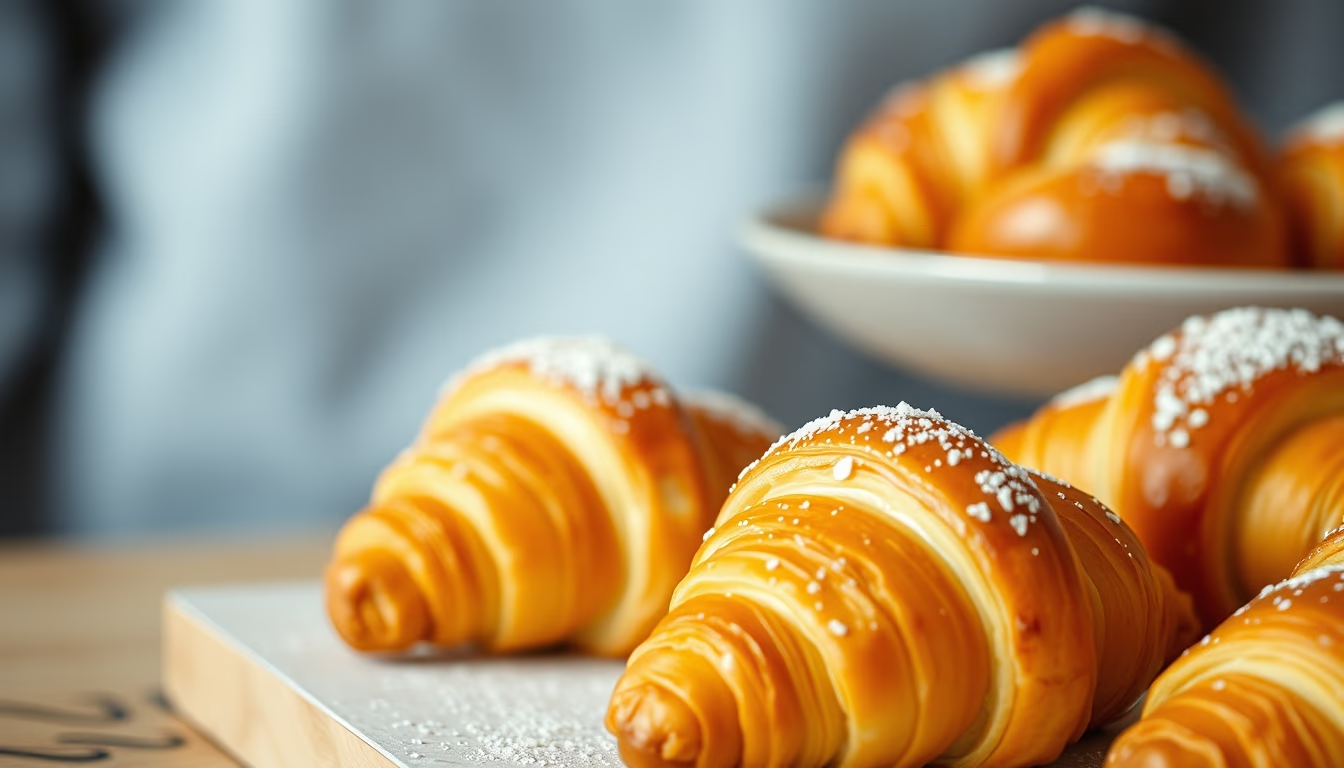
Golden flaky croissants are a hallmark of French pastry, combining precise lamination with high-quality butter to create crisp, airy layers.
About this subject
The croissant, though strongly associated with France, originated in Austria. Its modern form, made from leavened laminated dough, was perfected in Paris in the early 20th century when French bakers replaced simple dough with a lamination technique that involves repeatedly folding butter between layers of dough. This process creates dozens of thin layers that separate during baking, resulting in the characteristic flaky texture.
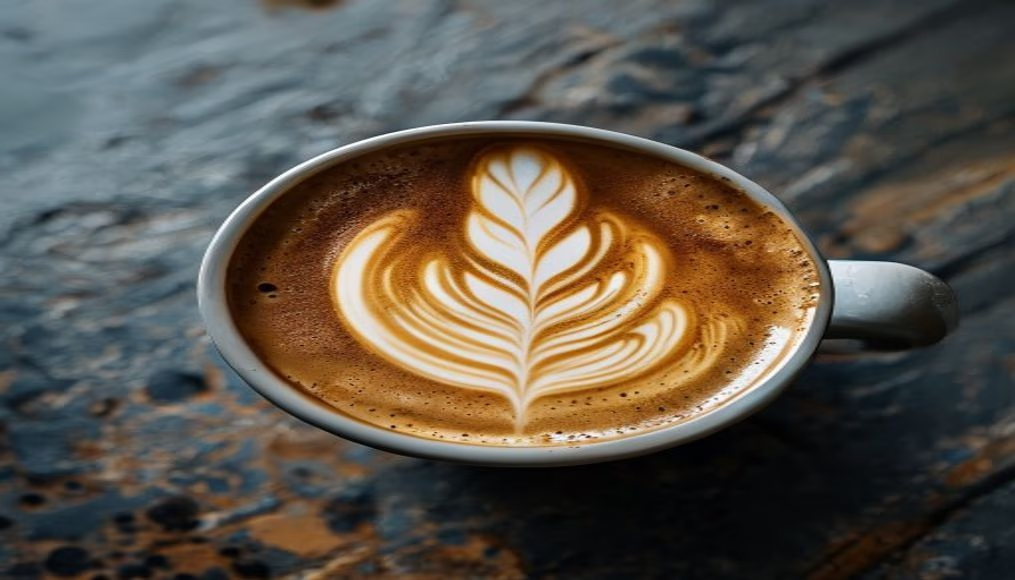
Croissant quality depends directly on the butter's fat content, ideally above 82%, and the resting time of the dough, which allows gluten relaxation. Artisanal croissants take about three days to complete, including slow fermentation. In France, they are traditionally eaten for breakfast with café au lait, but also feature in brunches and picnics.
Variations include croissant au beurre (pure butter), croissant aux amandes (filled with almond cream), and pain au chocolat, which though similar, uses rectangular dough and chocolate batons. Data from the French Bakery Confederation indicates about 1.5 billion croissants are consumed annually in France. The lamination technique is so precise that the ideal room temperature for working the dough is 18°C to 20°C, preventing the butter from melting before baking.
Frequently Asked Questions
What is the origin of the croissant?
The modern croissant was perfected in France, but its origin traces back to the Austrian kipferl, a crescent-shaped bread. Marie Antoinette is said to have popularized the shape at court, but the current laminated dough emerged in early 20th-century Paris.
Why is a croissant flaky?
The flaky texture results from lamination: the dough is repeatedly rolled and folded with butter between layers. In the oven, water from the butter evaporates, and steam separates the layers, creating the crisp, airy structure.
What is the difference between a croissant and pain au chocolat?
Pain au chocolat uses the same laminated dough as a croissant, but is rectangular, often flatter, and contains chocolate bars inside, whereas a classic croissant is crescent-shaped and typically unfilled.
Direct URL
https://pub-c7d6a6ea828543ac903a74a341ccb2e1.r2.dev/imagens/croissants-golden-flaky-film-grain-authentic-p3.avifHow to credit
Include a visible link back to UtilizAí. Copy one of the snippets below:
<a href="https://xn--utiliza-eza.com/en/midia/imagens/croissants-golden-flaky-film-grain-authentic-p3">Croissants golden flaky</a> by <a href="https://xn--utiliza-eza.com">UtilizAí</a>, licensed under <a href="https://creativecommons.org/licenses/by/4.0/">CC BY 4.0</a>.
[Croissants golden flaky](https://xn--utiliza-eza.com/en/midia/imagens/croissants-golden-flaky-film-grain-authentic-p3) by [UtilizAí](https://xn--utiliza-eza.com), CC BY 4.0
License: CC-BY-4.0