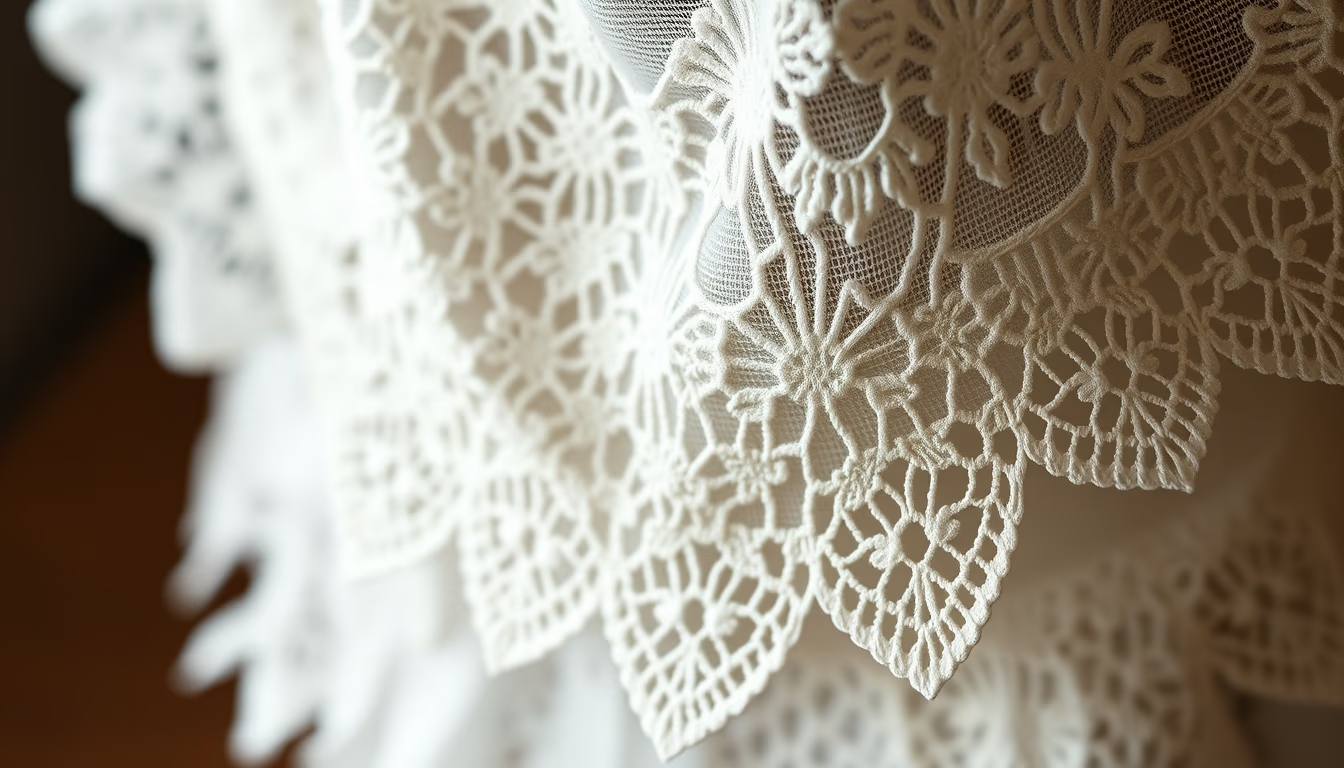
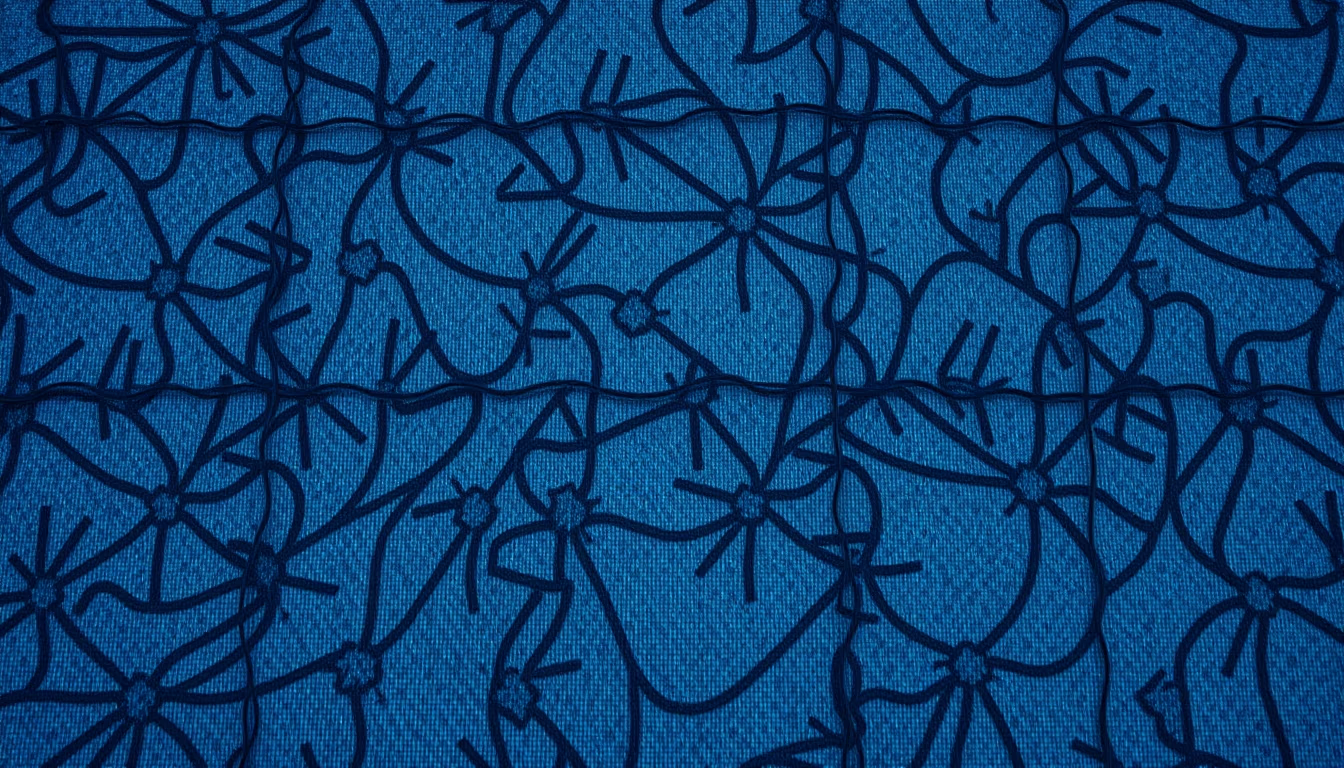
Crewel work wool
1344×768 · AVIF · CC BY 4.0
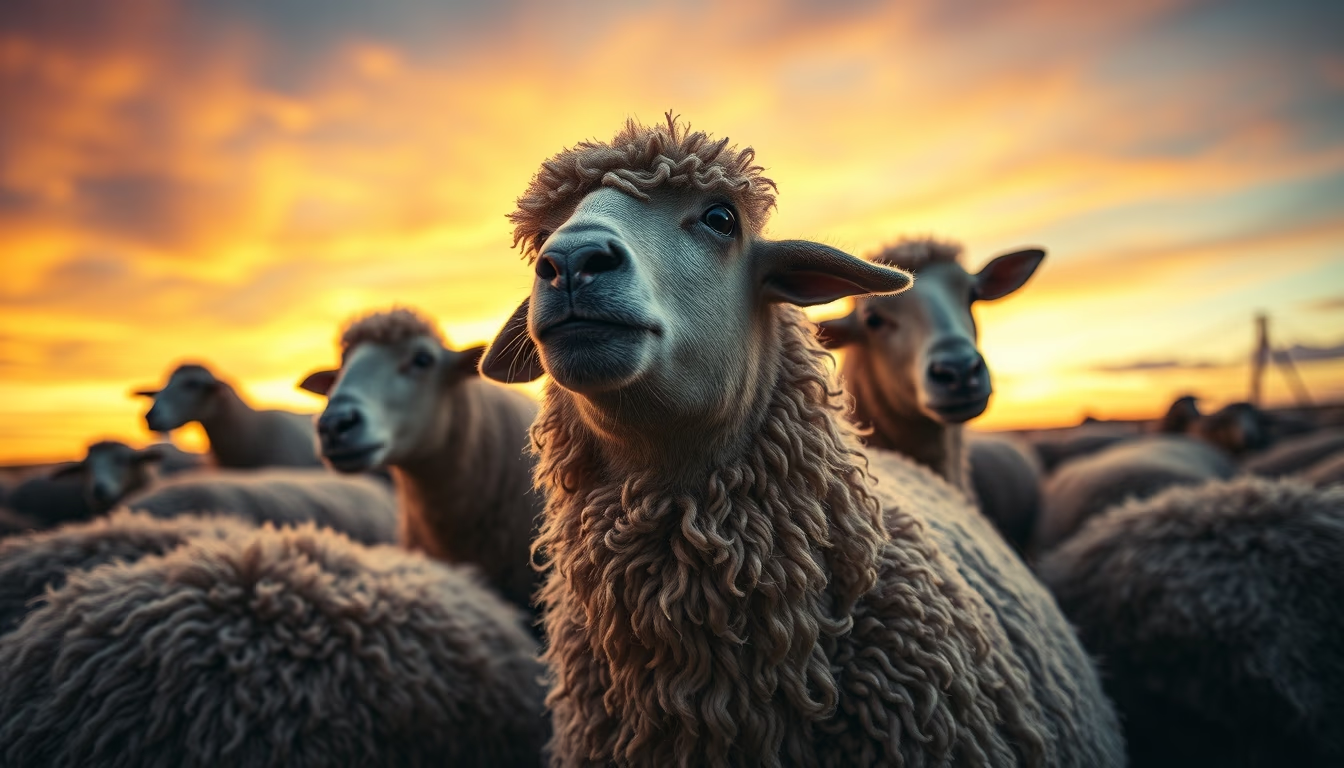
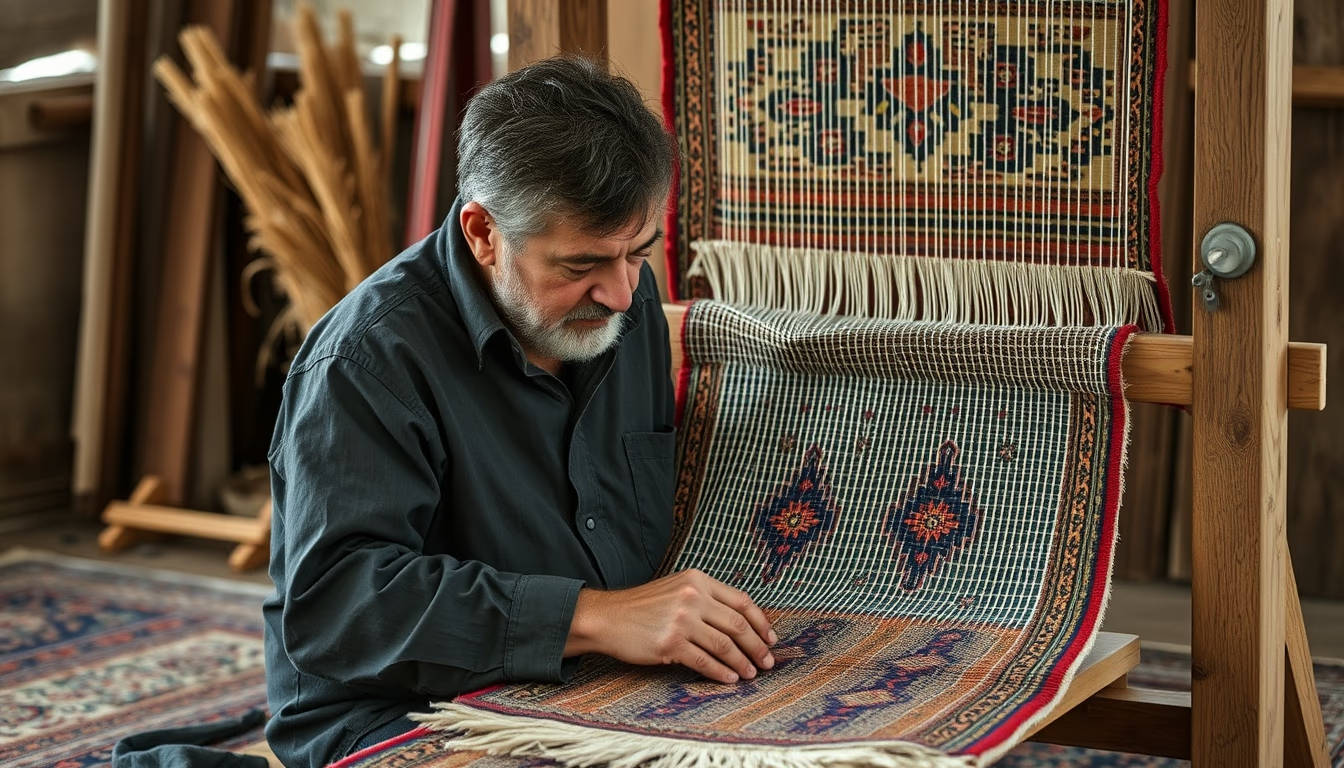
Crewel work wool is a technique of embroidery with wool that transforms fabrics into artworks, originating in 17th-century England.
About this subject
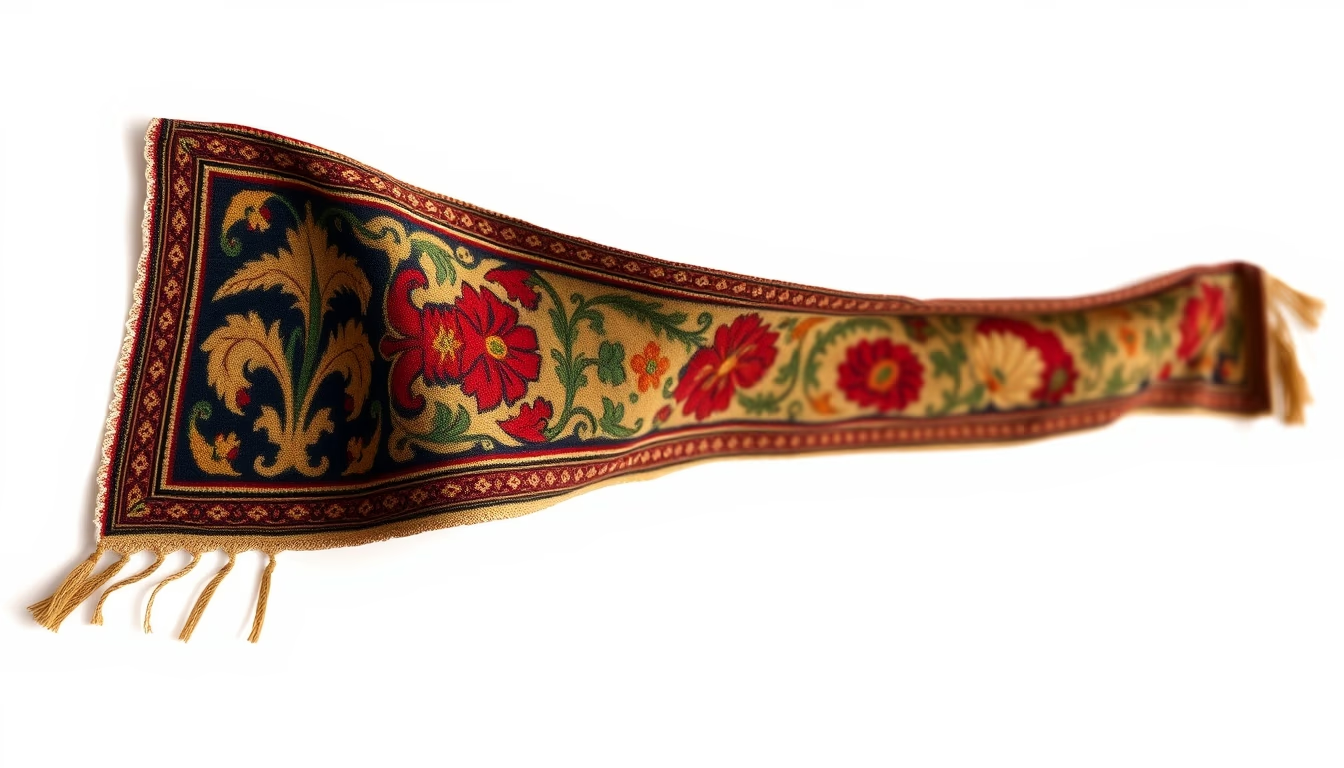
Crewel work is a form of embroidery that uses wool yarn, typically two-ply, on a base fabric of linen or cotton. The technique originated in England during the Elizabethan era and became especially popular in the 17th century, when tapestries and garments were decorated with floral patterns and motifs from nature. Unlike needlepoint, which completely covers the fabric with stitches, crewel work leaves areas of the background visible, creating a lighter and more textured effect. Common stitches include stem stitch, satin stitch, chain stitch, and French knot, allowing for fine details and shading. Today, crewel work is practiced worldwide, notably in the Kashmir region of India, where artisans produce intricate pieces on shawls and clothing. The wool is dyed with vibrant colors, and designs often incorporate leaves, flowers, and stylized animals. A curiosity: the name "crewel" derives from the old term "clewe," meaning a ball of thread, or possibly from the Welsh "cwrw," referring to wool yarn. Crewel work pieces are valued for their durability and artistic craftsmanship, and can be found in museums such as the Victoria and Albert Museum in London.
Frequently Asked Questions
What is the difference between crewel work and traditional embroidery?
Crewel work uses exclusively wool yarn, while traditional embroidery may use cotton, silk, or synthetic threads. Additionally, in crewel work the background fabric remains partially visible, and the stitches are looser and more textured.
What type of fabric is best for crewel work?
Fabrics with a firm weave, such as linen or cotton, are most suitable because they support the weight of the wool and stitches without distorting. Linen like Zweigart is popular among embroiderers.
How do you care for a crewel work piece?
Hand wash in cold water with mild soap, without wringing. Dry flat in the shade, and iron with a warm iron on the reverse side. Avoid prolonged sun exposure to prevent fading.
Direct URL
https://pub-c7d6a6ea828543ac903a74a341ccb2e1.r2.dev/imagens/crewel-work-wool-long-exposure-fresh9.avifHow to credit
Include a visible link back to UtilizAí. Copy one of the snippets below:
<a href="https://xn--utiliza-eza.com/en/midia/imagens/crewel-work-wool-long-exposure-fresh9">Crewel work wool</a> by <a href="https://xn--utiliza-eza.com">UtilizAí</a>, licensed under <a href="https://creativecommons.org/licenses/by/4.0/">CC BY 4.0</a>.
[Crewel work wool](https://xn--utiliza-eza.com/en/midia/imagens/crewel-work-wool-long-exposure-fresh9) by [UtilizAí](https://xn--utiliza-eza.com), CC BY 4.0
License: CC-BY-4.0