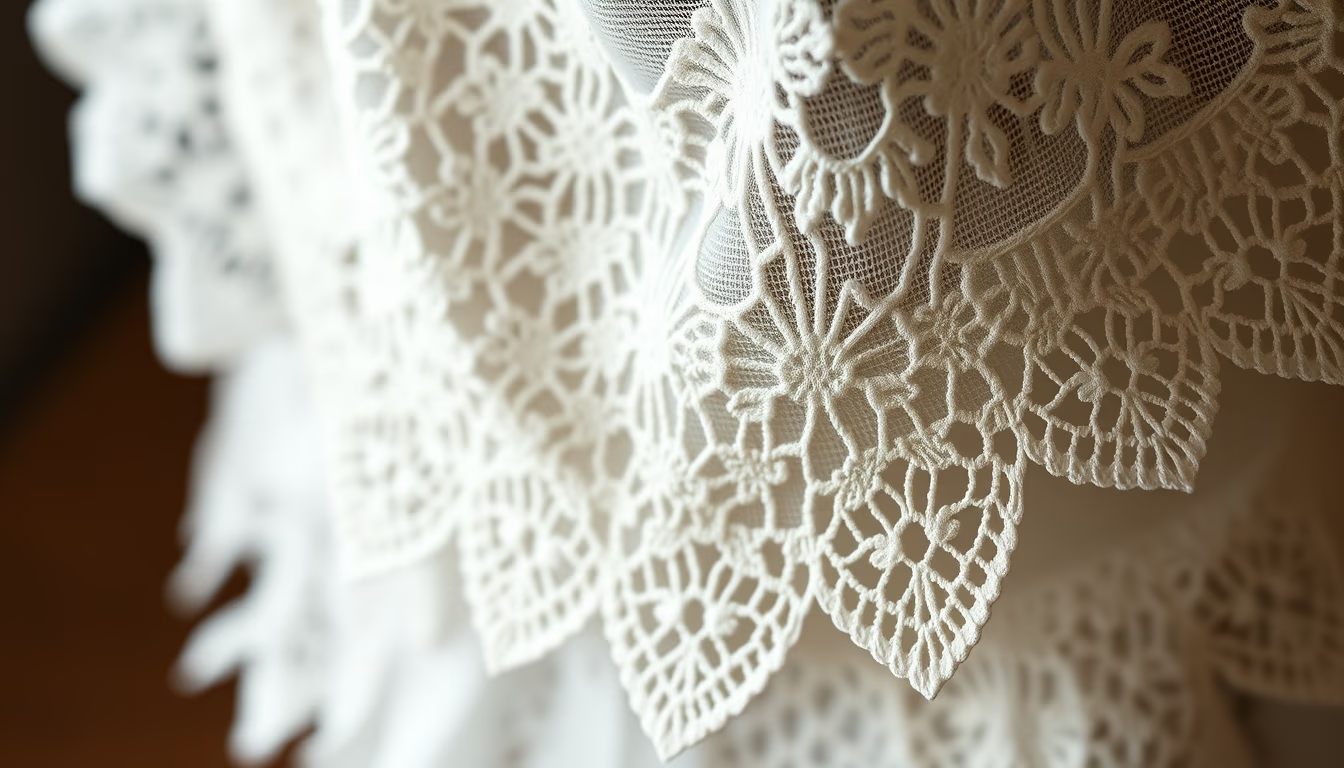
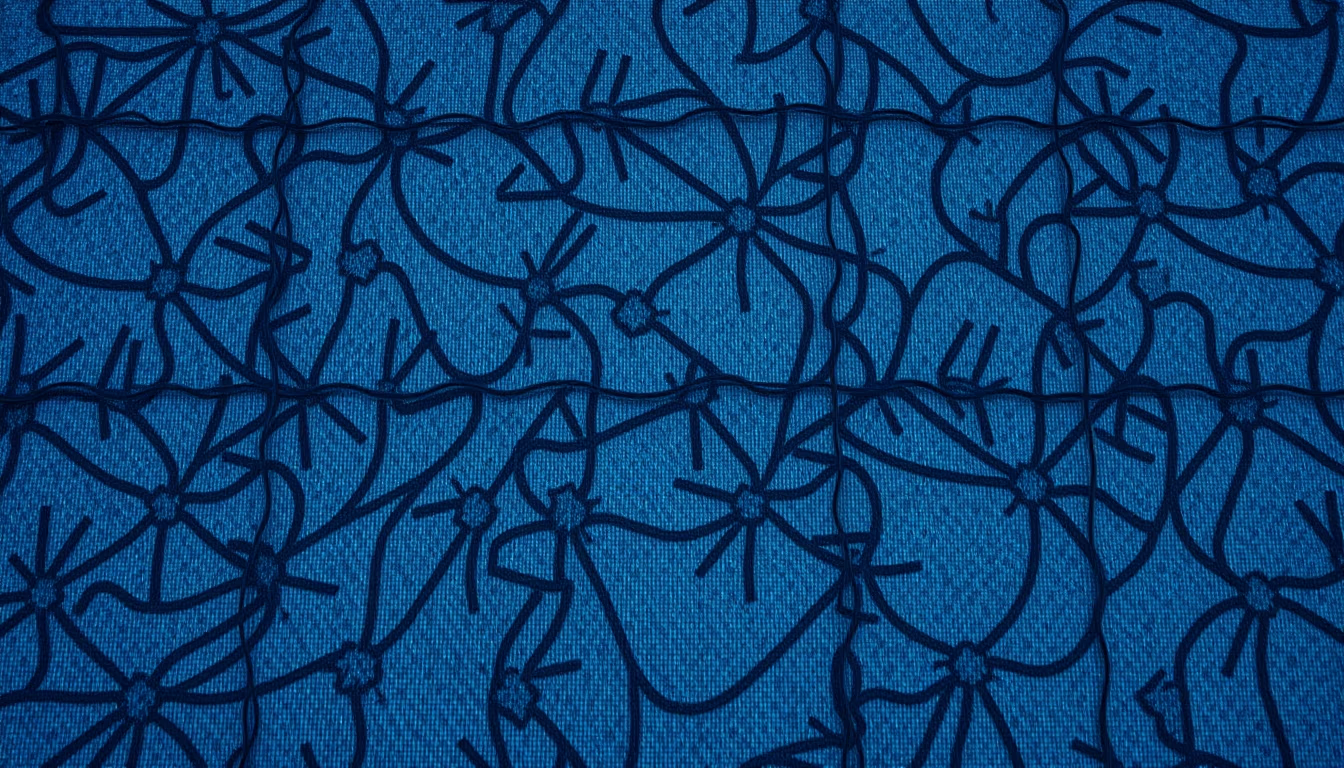
Crewel work wool
1344×768 · AVIF · CC BY 4.0

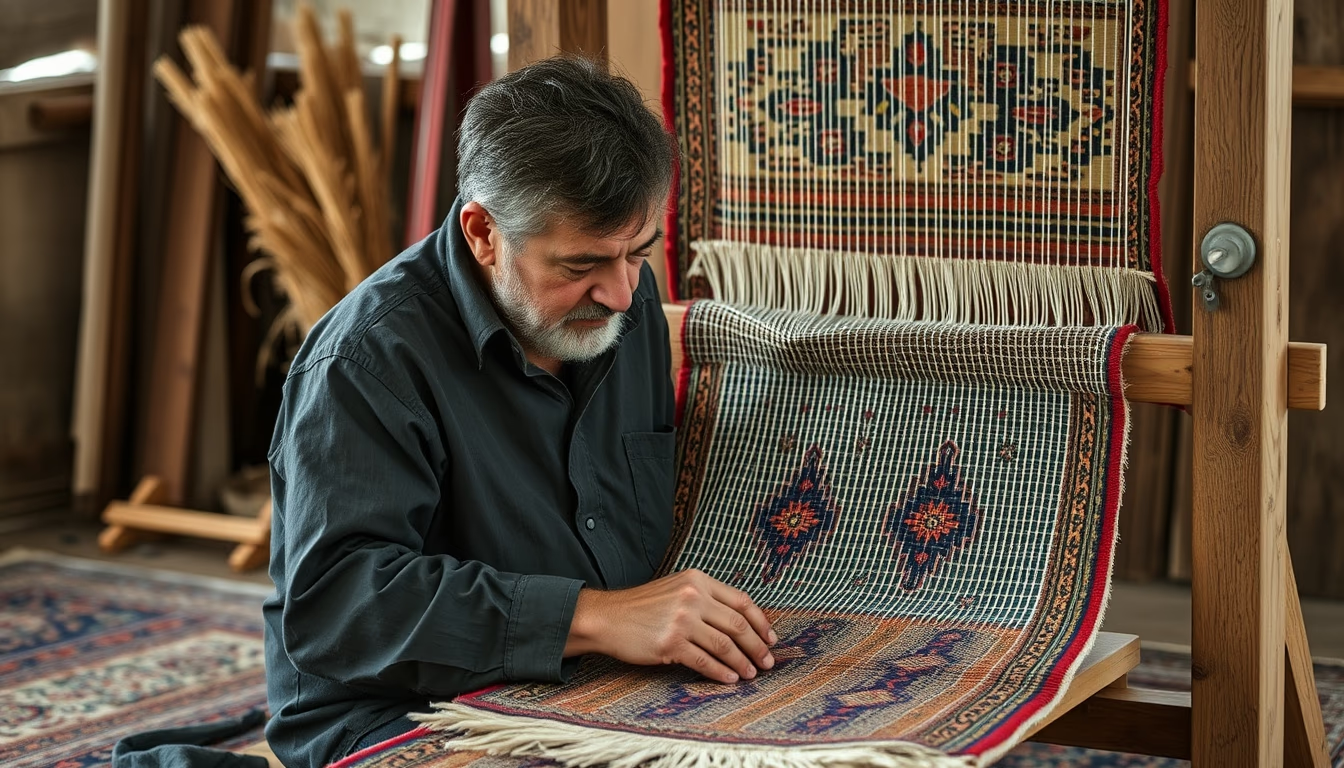
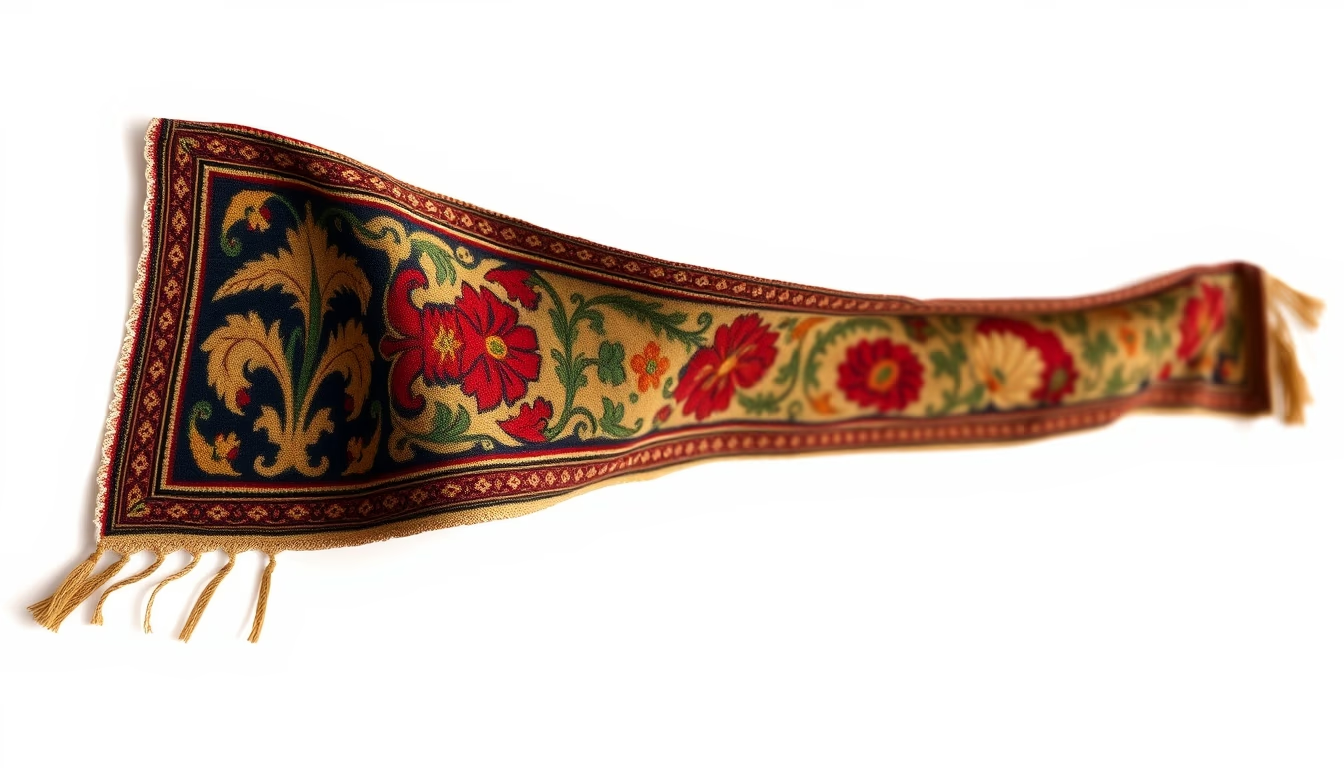
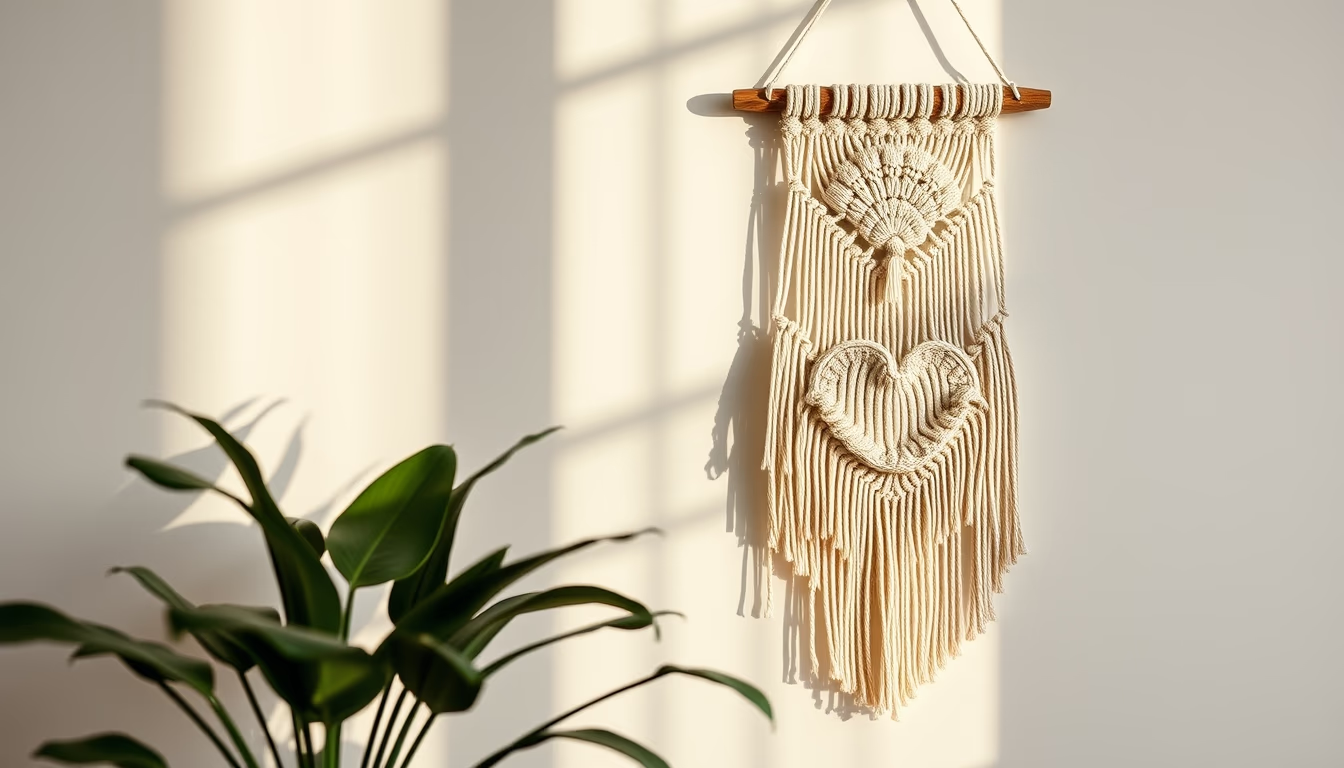
Crewel work is an embroidery technique using wool yarn to create decorative designs, originating in 17th-century England.
About this subject
Crewel work, also known as wool embroidery, is a textile technique that uses wool yarn on a fabric base, typically linen or cotton. It emerged in England during the Elizabethan era and peaked in the 17th and 18th centuries, widely used for tapestries, curtains, clothing, and household accessories. It is distinguished from other embroidery by its exclusive use of wool and specific stitches such as the crewel stitch, stem stitch, and chain stitch.
The wool used in crewel work is usually two- or three-ply, twisted to provide texture and durability. Originally, colors were obtained from natural dyes, such as madder for reds and woad for blues. Typical motifs included leaves, flowers, birds, and pastoral scenes, reflecting baroque aesthetics and a love of nature. With the Industrial Revolution, the technique declined, but was revived in the 20th century by artisans and enthusiasts.
Today, crewel work is practiced worldwide, especially in countries like India and Pakistan, where wool is abundant and textile tradition is strong. The technique is valued for its versatility and rustic yet elegant finish. Beyond decorative projects, it is common in cushions, bags, and contemporary garments. Unlike embroidery with cotton or silk thread, crewel work offers more volume and warmth, making it ideal for winter items.
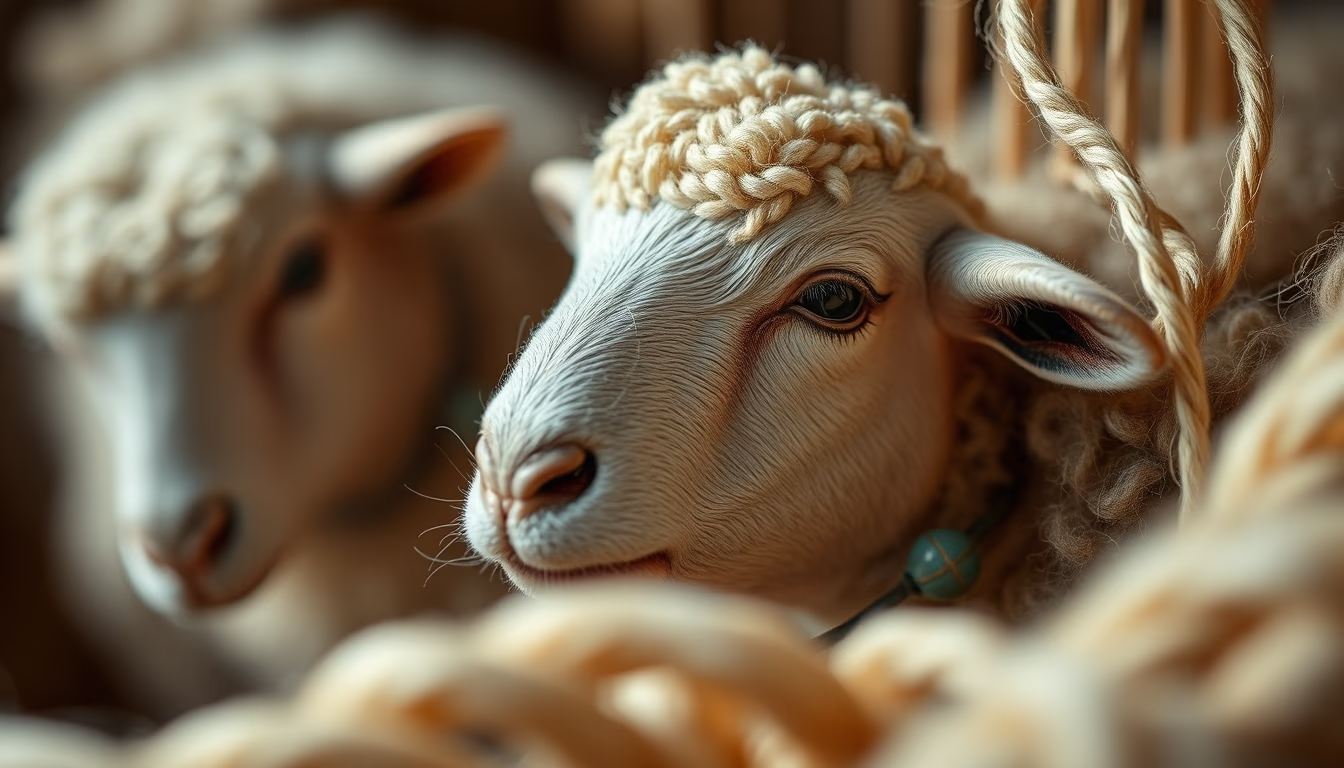
A curiosity: the term "crewel" derives from the Old English "cleow," meaning a ball of wool. Despite its association with England, similar techniques exist in continental Europe and Asia, such as Chinese wool embroidery. The practice requires patience and skill but is accessible to beginners, with modern kits including pre-printed patterns and high-quality wool.
Frequently Asked Questions
What is crewel work?
Crewel work is an embroidery technique that uses wool yarn on a fabric base, such as linen or cotton, to create decorative designs. It originated in England in the 17th century and is known for specific stitches like the crewel stitch and stem stitch.
What materials are needed to start crewel work?
Basic materials include wool yarn (usually two- or three-ply), a firm fabric like linen or cotton, an embroidery needle with a sharp point, and an embroidery hoop to keep the fabric taut. Beginner kits are common and include patterns and instructions.
How is crewel work different from other types of embroidery?
The main difference lies in the material: crewel work uses exclusively wool, while other embroideries may use cotton, silk, or synthetic threads. Additionally, crewel work employs specific stitches and has a more voluminous, rustic texture, traditionally used in decorative pieces and winter garments.
Direct URL
https://pub-c7d6a6ea828543ac903a74a341ccb2e1.r2.dev/imagens/crewel-work-wool-lo-fi-disposable-camera-fresh7.avifHow to credit
Include a visible link back to UtilizAí. Copy one of the snippets below:
<a href="https://xn--utiliza-eza.com/en/midia/imagens/crewel-work-wool-lo-fi-disposable-camera-fresh7">Crewel work wool</a> by <a href="https://xn--utiliza-eza.com">UtilizAí</a>, licensed under <a href="https://creativecommons.org/licenses/by/4.0/">CC BY 4.0</a>.
[Crewel work wool](https://xn--utiliza-eza.com/en/midia/imagens/crewel-work-wool-lo-fi-disposable-camera-fresh7) by [UtilizAí](https://xn--utiliza-eza.com), CC BY 4.0
License: CC-BY-4.0