Credit card chip closeup macro photography of EMV chip
1344×768 · AVIF · CC BY 4.0
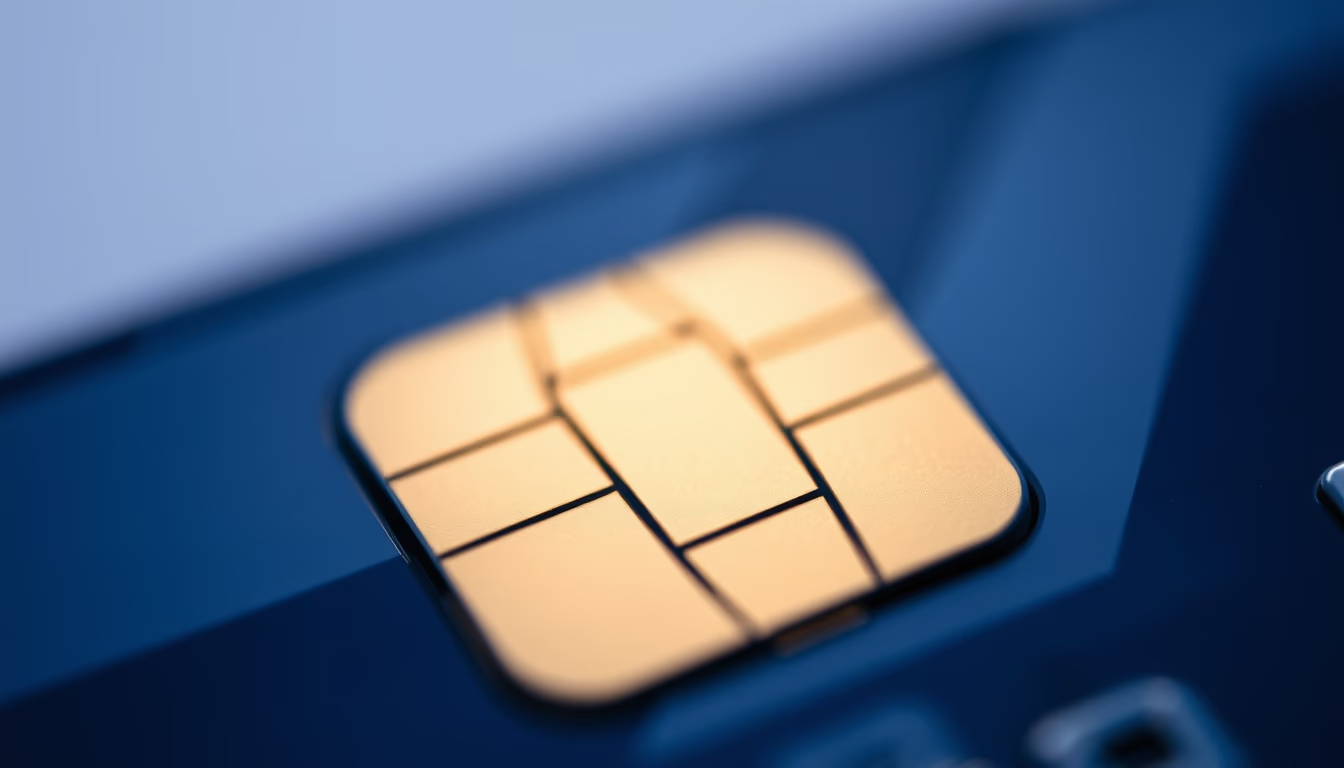
Detailed macro shot of an EMV chip from a credit card, a central element in global financial transaction security.
About this subject
The EMV chip (Europay, Mastercard, and Visa) is a microprocessor embedded in credit and debit cards, an international standard for authenticating in-person transactions. Unlike the magnetic stripe, which stores static data, the chip generates a dynamic code for each use, making cloning nearly impossible. Adopted globally since the 2000s, the EMV standard drastically reduced card fraud, especially in countries like Brazil, where migration accelerated after 2010.
The chip's technology relies on asymmetric encryption and contact (or contactless via NFC) communication. When inserted into the terminal, the chip and reader exchange encrypted information, validating the transaction without exposing sensitive data. Currently, over 10 billion EMV cards are in circulation worldwide, according to EMVCo.
In Brazil, the EMV chip has been mandatory for all new cards since 2014, and its presence is identified by the metallic symbol on the card's face. Macro photography of the chip reveals the fine gold contacts, usually six or eight pins, that make the electrical connection with the terminal. Each pin has a specific function: power, clock, reset, data, and others.
Curiosity: although the chip is secure, card security also depends on the user, never share the PIN and protect the card against loss or theft. The close-up photo during the "twilight blue hour" gives a technological and sophisticated tone to the component, highlighting its importance in the modern financial ecosystem.
Frequently Asked Questions
What does EMV stand for on a card chip?
EMV stands for Europay, Mastercard, and Visa, the three companies that created the security standard for card transactions. The EMV chip replaces the magnetic stripe and makes purchases more secure.
How does the EMV chip work?
The chip generates a unique encrypted code for each transaction. When you insert the card into the terminal, the chip and reader exchange information that validates the purchase without exposing your personal data.
Is the EMV chip mandatory in Brazil?
Yes, since 2014 all credit and debit cards issued in Brazil must have the EMV chip. This has significantly reduced cloning fraud.
Direct URL
https://pub-c7d6a6ea828543ac903a74a341ccb2e1.r2.dev/imagens/credit-card-chip-closeup-macro-photography-of-emv-chip-editorial-portrait-twilight-blue-hour.avifHow to credit
Include a visible link back to UtilizAí. Copy one of the snippets below:
<a href="https://xn--utiliza-eza.com/en/midia/imagens/credit-card-chip-closeup-macro-photography-of-emv-chip-editorial-portrait-twilight-blue-hour">Credit card chip closeup macro photography of EMV chip</a> by <a href="https://xn--utiliza-eza.com">UtilizAí</a>, licensed under <a href="https://creativecommons.org/licenses/by/4.0/">CC BY 4.0</a>.
[Credit card chip closeup macro photography of EMV chip](https://xn--utiliza-eza.com/en/midia/imagens/credit-card-chip-closeup-macro-photography-of-emv-chip-editorial-portrait-twilight-blue-hour) by [UtilizAí](https://xn--utiliza-eza.com), CC BY 4.0
License: CC-BY-4.0