Coptic monastery egypt
1344×768 · AVIF · CC BY 4.0
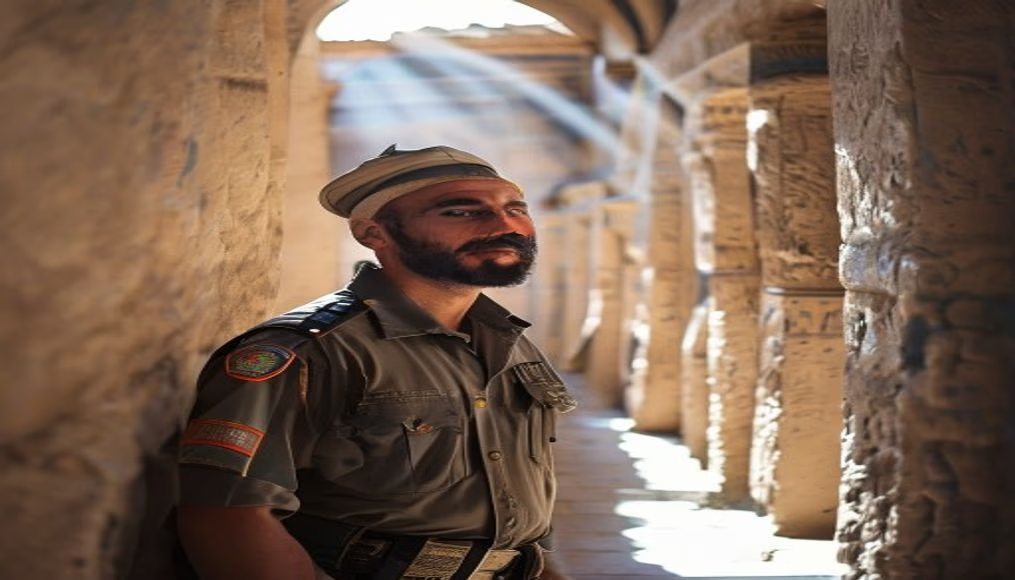
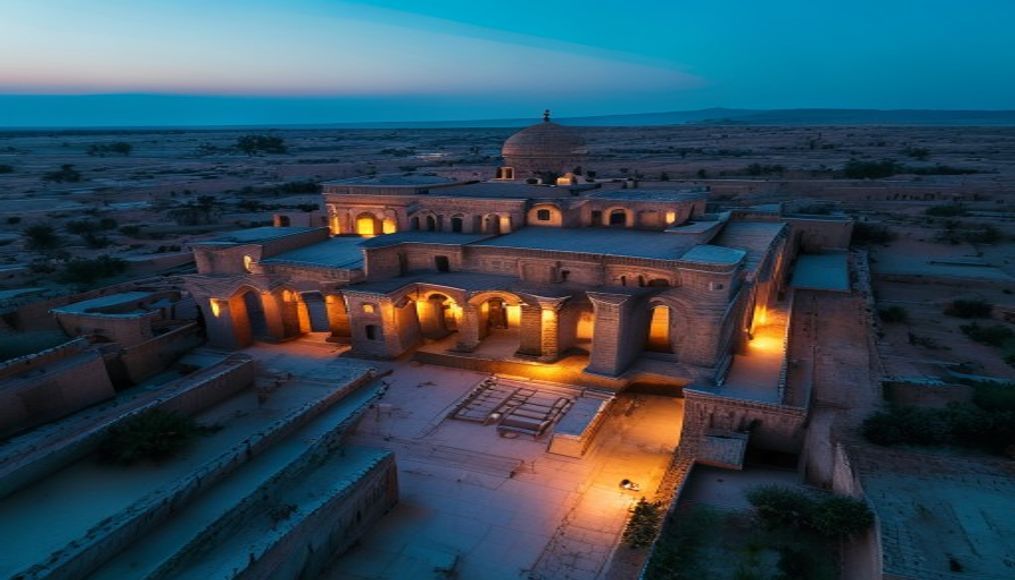
Coptic monasteries in Egypt preserve ancient Christian traditions, blending desert architecture with monastic spirituality.
About this subject
Coptic monasteries in Egypt represent the birthplace of Christian monasticism, initiated in the 3rd century by hermits like Saint Anthony and Saint Paul. Located mainly in the Wadi El Natrun and Eastern deserts, these spiritual fortresses were built with thick mud-brick walls, defensive towers, and domed churches. The Monastery of Saint Catherine in Sinai, though Greek Orthodox, shares similarities, but the true Coptic legacy lies in monasteries like that of Saint Macarius, where manuscripts in Coptic and Arabic were preserved for centuries.
The architecture reflects the need for self-sufficiency and protection: each monastery functioned as a closed village, with cisterns, mills, and orchards. Monks follow a rule of work and prayer, keeping the Coptic language, a direct descendant of ancient Egyptian, alive. Today, many Coptic monasteries are pilgrimage destinations and attract visitors interested in early Christian history.
Some structures date from the 4th century, such as the White Monastery near Sohag, but most were rebuilt after Bedouin and Persian invasions during the Middle Ages. The characteristic dome of Coptic churches, with its symbolism of resurrection, and icons painted in Byzantine style are visual landmarks. Coptic monastic life, despite centuries of isolation, maintains liturgical rituals that date back to the first Christians in Egypt.
Frequently Asked Questions
Which is the oldest Coptic monastery in Egypt?
The Monastery of Saint Macarius in Wadi El Natrun is one of the oldest, founded in the 4th century. Another example is the White Monastery (Deir el-Abiad) near Sohag, built by Saint Helena.
Do Coptic monasteries accept non-Christian visitors?
Yes, most welcome tourists and pilgrims, but visitors must follow modest dress codes and respectful behavior. Some monasteries charge an entrance fee or accept donations.
How did Coptic monasteries contribute to the preservation of knowledge?
During the Middle Ages, Coptic monks copied and translated theological, philosophical, and medical texts into Coptic and Arabic, preserving Greek and Egyptian works. Their libraries contain rare manuscripts.
Direct URL
https://pub-c7d6a6ea828543ac903a74a341ccb2e1.r2.dev/imagens/coptic-monastery-egypt-documentary-photography-p1.avifHow to credit
Include a visible link back to UtilizAí. Copy one of the snippets below:
<a href="https://xn--utiliza-eza.com/en/midia/imagens/coptic-monastery-egypt-documentary-photography-p1">Coptic monastery egypt</a> by <a href="https://xn--utiliza-eza.com">UtilizAí</a>, licensed under <a href="https://creativecommons.org/licenses/by/4.0/">CC BY 4.0</a>.
[Coptic monastery egypt](https://xn--utiliza-eza.com/en/midia/imagens/coptic-monastery-egypt-documentary-photography-p1) by [UtilizAí](https://xn--utiliza-eza.com), CC BY 4.0
License: CC-BY-4.0