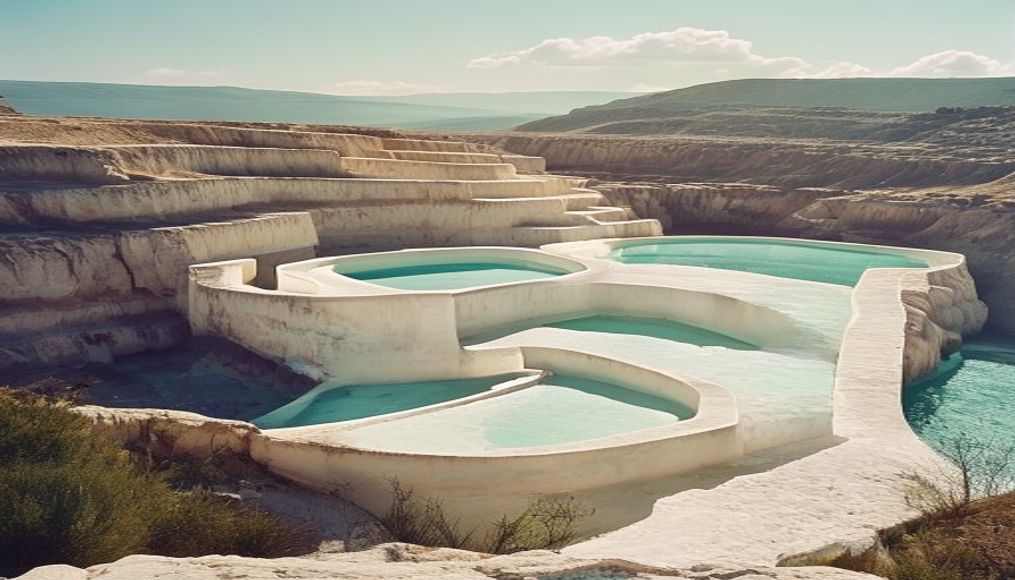
Colosseum rome interior
1344×768 · AVIF · CC BY 4.0

The interior of the Colosseum in Rome reveals the engineering and history of Roman spectacles, with ruins that tell centuries of gladiators and public events.
About this subject
The Colosseum, officially the Flavian Amphitheatre, is the largest amphitheatre ever built in the Roman Empire and one of the most iconic monuments in the world. Its construction began between 70 and 72 AD under Emperor Vespasian and was completed in 80 AD by Titus. The interior, originally capable of holding between 50,000 and 80,000 spectators, was organized into seating tiers (cavea) separated by social class: the podium for senators, the maeniana for the plebeians, and the summa cavea for women and slaves. The arena floor was made of wood covered with sand and concealed a complex underground system (hypogeum) with tunnels, cells for gladiators and animals, as well as elevator and trapdoor mechanisms used for surprising stage effects.
After centuries of use, the Colosseum suffered damage from earthquakes and stone plundering for other buildings. Today, the interior exposes much of the hypogeum, allowing visitors to see the underground structures that once supported the spectacles. The inner walls show layers of brick and travertine, revealing Roman construction techniques such as the use of arches and concrete. Although only one-third of the original structure remains intact, the Colosseum continues to impress with its scale and the history its ruins tell.
Interestingly, the Colosseum hosted animal hunts (venationes), executions, and mock naval battles (naumachiae) before the hypogeum was built. The hypogeum was added later by Emperor Domitian, allowing more elaborate stage effects. Today, the monument is a UNESCO World Heritage Site and one of the New Seven Wonders of the World, attracting millions of tourists each year who can explore both the upper levels and the recently opened underground areas during recent restorations.
Frequently Asked Questions
How many spectators could the Colosseum hold?
The Colosseum could hold between 50,000 and 80,000 spectators, organized into sections separated by social class.
What was the hypogeum of the Colosseum?
The hypogeum was an underground complex of tunnels, cells, and lifting mechanisms used for gladiators, animals, and stage sets during spectacles.
Is the Colosseum still used for events today?
Currently, the Colosseum no longer hosts spectacles like in ancient Rome. It functions as a museum and tourist attraction, receiving millions of visitors annually.
Direct URL
https://pub-c7d6a6ea828543ac903a74a341ccb2e1.r2.dev/imagens/colosseum-rome-interior-tilt-shift-miniature-p9.avifHow to credit
Include a visible link back to UtilizAí. Copy one of the snippets below:
<a href="https://xn--utiliza-eza.com/en/midia/imagens/colosseum-rome-interior-tilt-shift-miniature-p9">Colosseum rome interior</a> by <a href="https://xn--utiliza-eza.com">UtilizAí</a>, licensed under <a href="https://creativecommons.org/licenses/by/4.0/">CC BY 4.0</a>.
[Colosseum rome interior](https://xn--utiliza-eza.com/en/midia/imagens/colosseum-rome-interior-tilt-shift-miniature-p9) by [UtilizAí](https://xn--utiliza-eza.com), CC BY 4.0
License: CC-BY-4.0