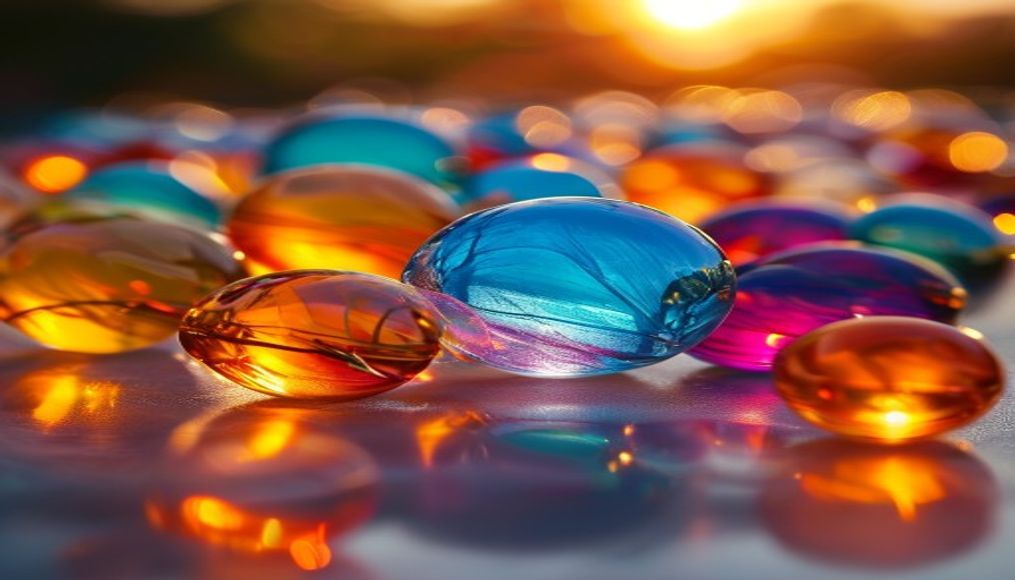
Colored glass marbles
1344×768 · AVIF · CC BY 4.0
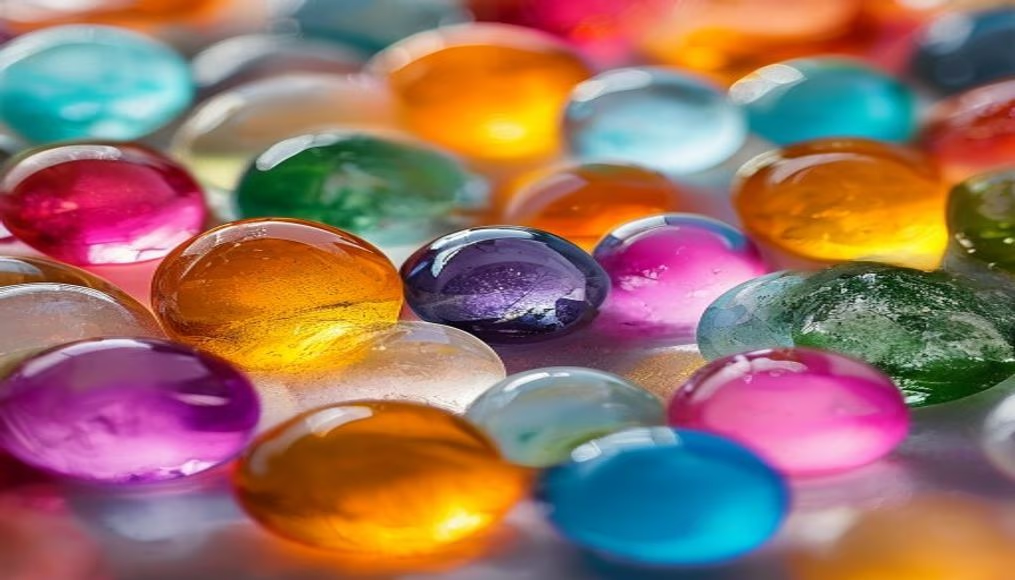
Colored glass marbles, handmade or industrially produced, are playful and collectible objects with centuries of history.
About this subject
Colored glass marbles are small spheres that have fascinated people for millennia. Their origins date back to ancient Egypt and Rome, where they were used in games and as ornaments. However, large-scale production began in the 19th century, especially in Germany and the United States, driven by the invention of machines capable of producing perfectly round spheres. Marbles became a universal toy, present in cultures worldwide, and also a collector's item, with rare examples worth thousands of dollars.
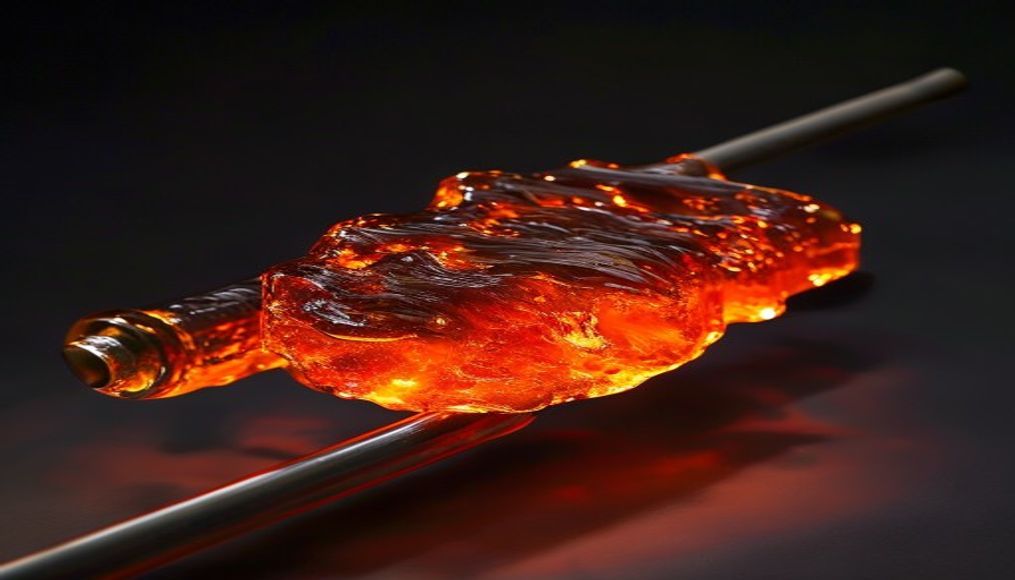
Handmade marble production involves complex glassworking techniques, such as fusing colored glass rods in flames. Artisans in Murano, Italy, and the Bohemia region create pieces with intricate patterns, like the famous millefiori marbles that display internal flowers and designs. Industrial production uses molds and heat to form spheres from molten glass, adding colors and effects such as cat's eyes, which have a reflective central stripe. Different types include aggies (made from agate), opals, and milk marbles, each with unique color and transparency characteristics.
Culturally, marbles play an important role in children's games, such as the traditional game of marbles, requiring precision and strategy. International tournaments still take place, keeping this tradition alive. Beyond play, glass marbles are used in crafts, decoration, and even scientific applications, such as in bearings for precision equipment. Collecting antique and rare marbles is a global hobby, with dedicated communities exchanging information and pieces. The visual appeal of vibrant colors and smooth glass texture makes them aesthetically attractive objects, captured in documentary photographs that record their ephemeral beauty.
Frequently Asked Questions
How are colored glass marbles made?
Marbles are made either by hand, heating colored glass rods and shaping them into spheres, or industrially, using machines that melt glass and deposit it into rotating molds to form perfect spheres.
What are the most common types of marbles?
Common types include aggies (imitating agate), cat's eyes (with a central stripe), opals (opaque and milky), and millefiori (with internal floral patterns). Each type varies in color, transparency, and manufacturing technique.
Do antique marbles have collector value?
Yes, antique and rare marbles, especially handmade ones from 19th-century German or American artisans, can be worth hundreds or thousands of dollars. Condition, rarity, and pattern influence value.
Direct URL
https://pub-c7d6a6ea828543ac903a74a341ccb2e1.r2.dev/imagens/colored-glass-marbles-documentary-photography-p3.avifHow to credit
Include a visible link back to UtilizAí. Copy one of the snippets below:
<a href="https://xn--utiliza-eza.com/en/midia/imagens/colored-glass-marbles-documentary-photography-p3">Colored glass marbles</a> by <a href="https://xn--utiliza-eza.com">UtilizAí</a>, licensed under <a href="https://creativecommons.org/licenses/by/4.0/">CC BY 4.0</a>.
[Colored glass marbles](https://xn--utiliza-eza.com/en/midia/imagens/colored-glass-marbles-documentary-photography-p3) by [UtilizAí](https://xn--utiliza-eza.com), CC BY 4.0
License: CC-BY-4.0